


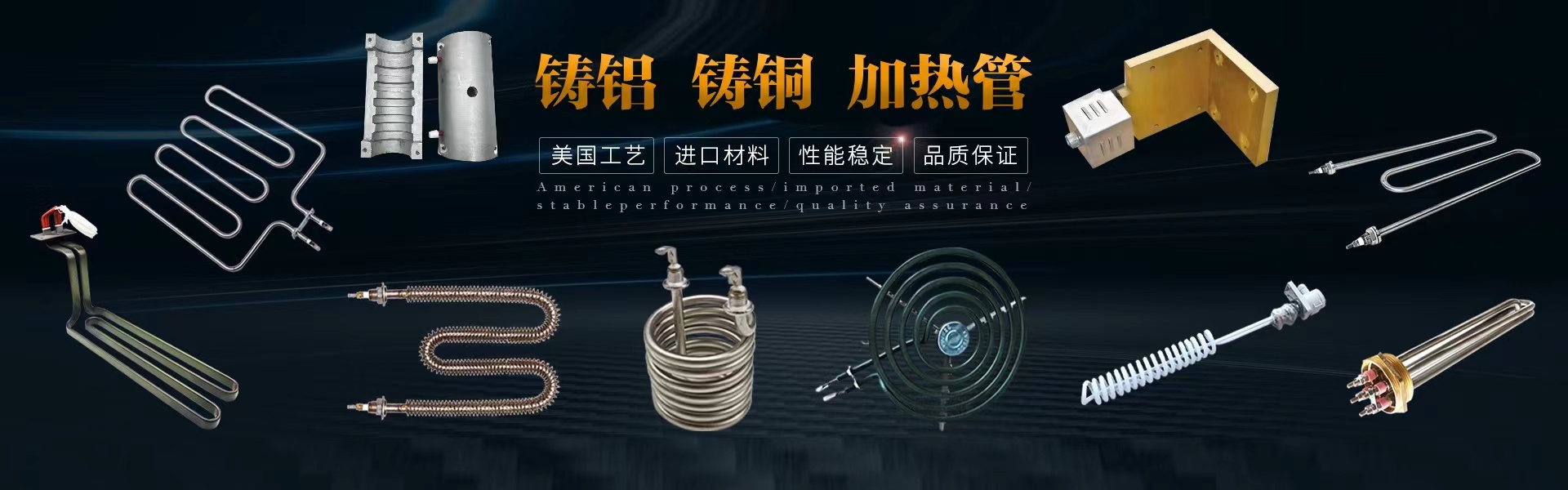


An explosion-proof electric heater is a device that converts electrical energy into heat, designed for use in explosion-proof environments. It is utilized for heating, maintaining temperature, and warming up either flowing or stationary liquid, gaseous, or solid mediums.
Nowadays, explosion-proof electric heaters are widely seen in our daily lives and play a crucial role. Their primary function is to heat liquids quickly. However, even the best heaters will inevitably encounter malfunctions after prolonged use or misuse. How should we handle these issues? Let's explore that below.
How to Handle a Fault in an Explosion-Proof Electric Heater?
1. Utilize a multimeter to measure the main circuit power supply for normalcy, and check if the upper power supply is being delivered.
2. Open the pressure regulating module to inspect the circuit board for proper functioning, and replace the pressure regulating module as well as the fuse.
3. Use the multimeter's DC voltage range to test if there is DC current in the relay coil. If there is no electricity, it indicates that the emergency stop normally closed point is not closed. Notify the instrument for coordination and inspection.
4. When the fault alarm relay operates, the fault alarm light will illuminate along with an audible alarm. If it's an overheating temperature control alarm, shut down the electric heater and wait for the temperature to drop before using it again, and further inspect the relevant equipment. If it's an internal fault alarm from the voltage regulation module, it's usually caused by burnt-out electronic components, so find a replacement module of the same model as soon as possible to ensure production needs. If it's a medium temperature measuring device fault alarm, inspect and replace the on-site temperature probe.
5. When the voltage regulation module does not receive a control signal, use a clamp-on current meter to measure the current signal, or disconnect any one wire on the voltage regulation module, connect an ohmmeter in series between these two wires with the meter set to the current range, and check if a current signal is sent. If not, notify the instrument personnel to assist with the inspection.
