

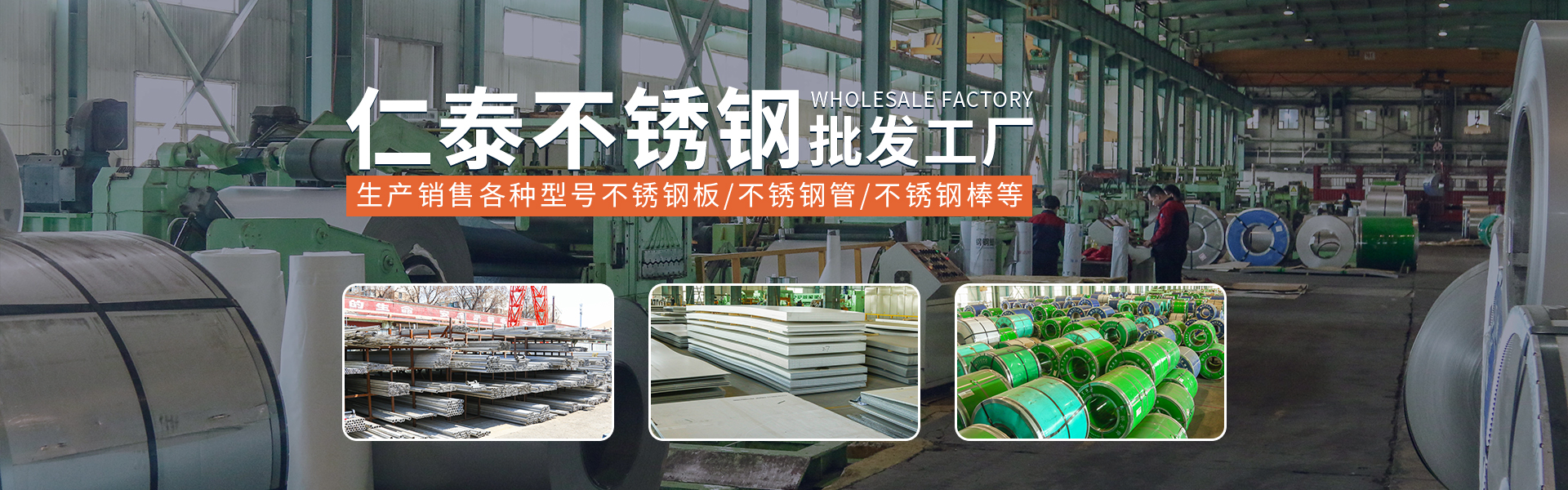

Available in two types according to the manufacturing process—hot rolled and cold rolled—ranging from thin sheets of 0.5-4mm thickness to thick plates of 4.5-35mm.
Steel is classified into five categories based on its organizational characteristics: Austenitic, Austenitic-Ferritic, Ferritic, Martensitic, and Precipitation Hardening.
Our products are capable of withstanding corrosion from various acids such as oxalic acid, sulfuric-sulfate iron, nitric acid, nitric-hydrofluoric acid, sulfuric-sulfate copper, phosphoric acid, formic acid, and acetic acid. They are extensively used in industries like chemicals, food, papermaking, oil, nuclear energy, as well as in construction, kitchenware, tableware, vehicles, and various home appliance components.
To ensure that the mechanical properties such as yield strength, tensile strength, elongation, and hardness of various stainless steel plates meet the required standards, the plates must undergo heat treatments including annealing, solution treatment, and aging treatment prior to delivery.
Stainless steel sheets feature a smooth surface, offering high plasticity, toughness, and mechanical strength, as well as resistance to corrosion from acidic, alkaline gases, solutions, and other mediums. It is an alloy steel that is not prone to rust.
The corrosion resistance of stainless steel primarily depends on its alloy composition (chromium, nickel, titanium, silicon, aluminum, etc.) and its internal microstructure, with the role of chromium being paramount. Chromium possesses high chemical stability and can form a passivation film on the steel surface, isolating the metal from the outside world and protecting the steel plate from oxidation, thereby enhancing its corrosion resistance. Once the passivation film is damaged, the corrosion resistance decreases.
