



 通过中商114认证

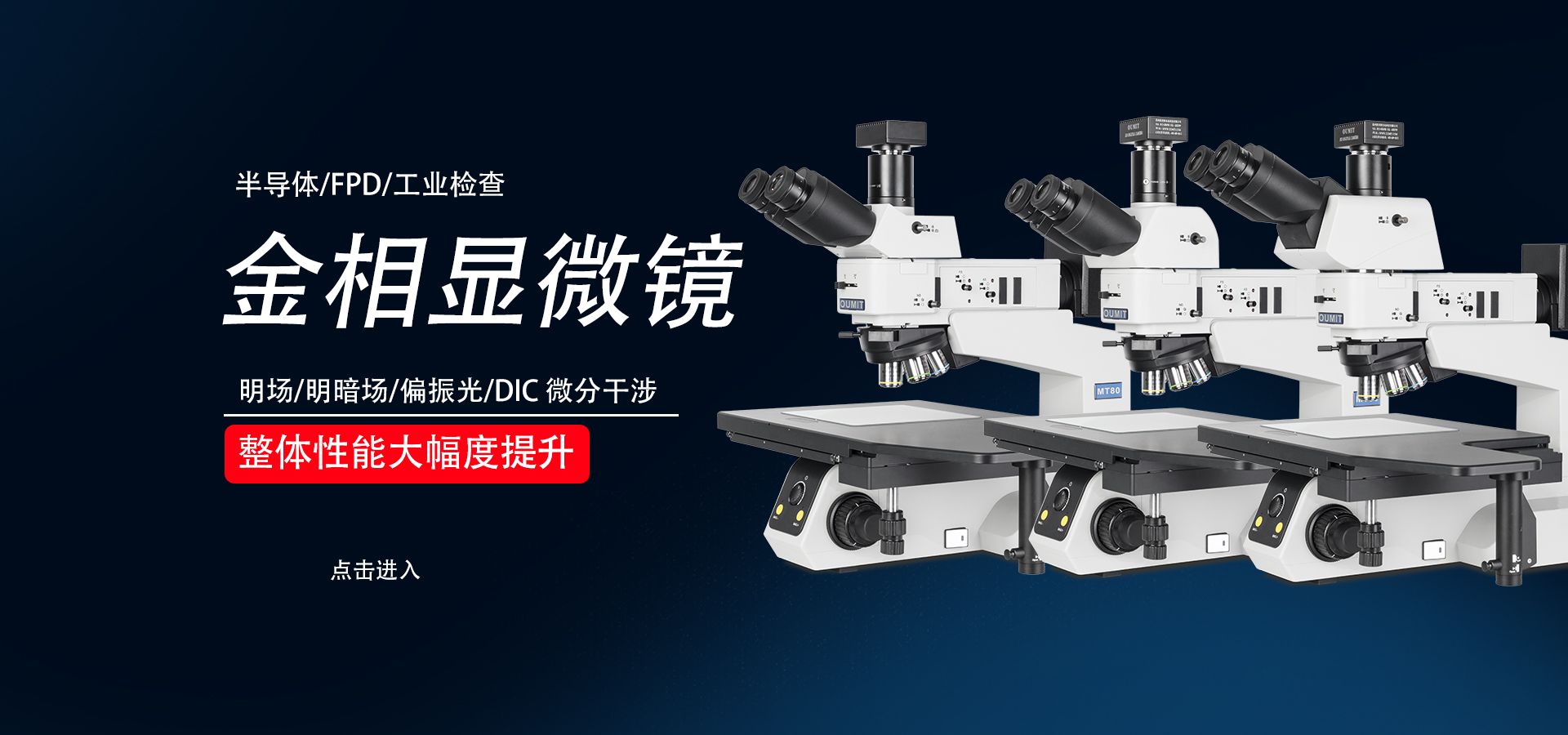
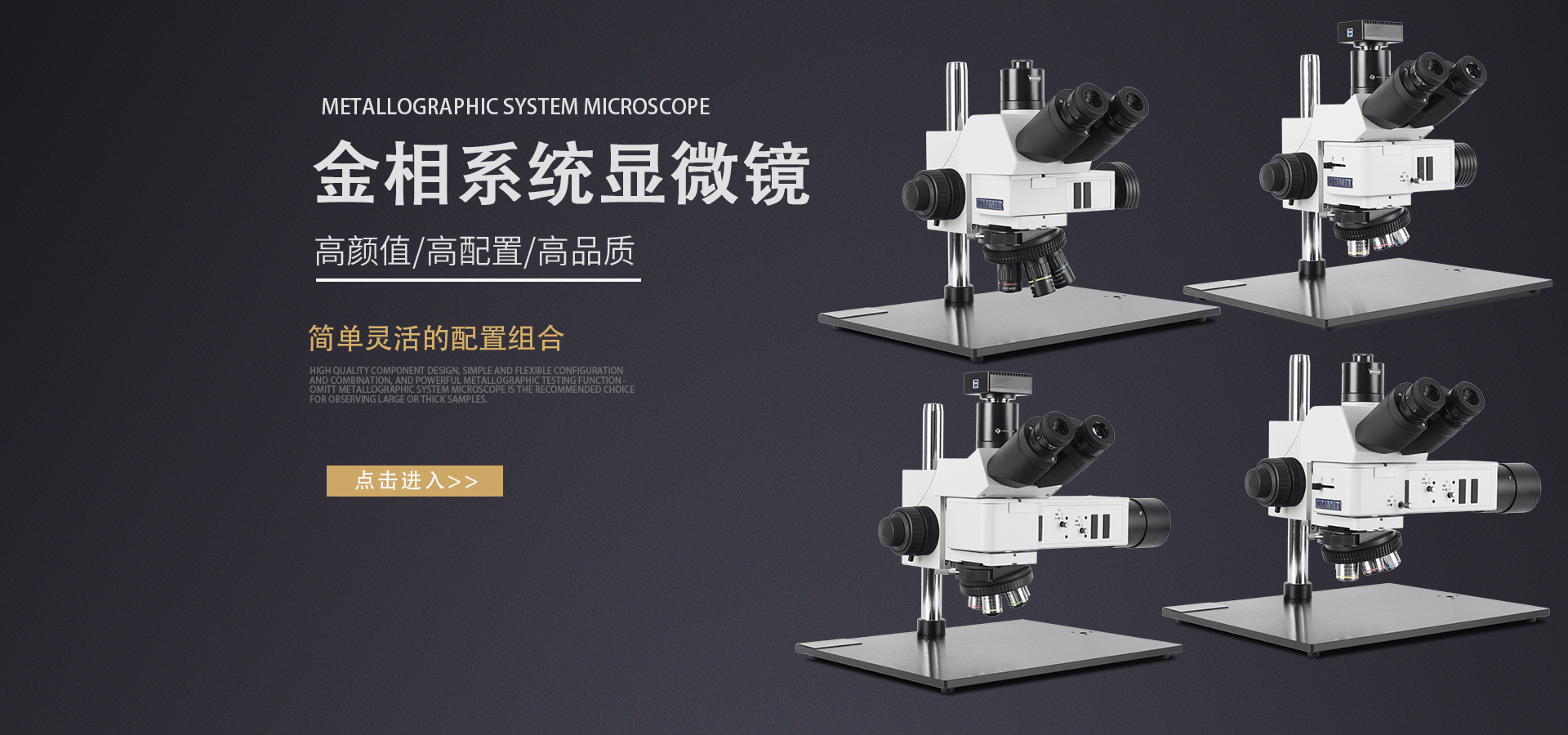
The metallographic microscope is a computer that allows for easy observation of metallographic images, as well as metallographic atlases, grading, image output, printing, and is specifically designed for examining the microstructure of opaque objects like metals and minerals. It is well-known that the composition of alloys, heat treatment, and cold/hot working processes directly affect the internal microstructure of metallic materials, thereby altering their mechanical properties. Therefore, analyzing the microstructure observed under the metallographic microscope has become an important means in industrial production. Why does the metallographic microscope use bright field and dark field observation?
The main characteristic of brightfield is based on the color and transmission rate of the specimen, which usually requires staining for easy observation. Of course, narrowing the aperture or adjusting the upper and lower condensers can also help. Brightfield is the foundation for all other optical microscopes.
The dark field method is designed based on the principle of the Tyndall effect, allowing for the observation of particles under dark background conditions. Under normal circumstances, indoor dust is typically invisible due to factors such as direct sunlight and diffraction, which interfere with the visibility. However, in a darkened room with light passing through a window, the dust becomes easily visible because, when light reflects or diffracts, the tiny dust particles seem to increase in size.
The dark field technique involves using special methods to prevent direct light from entering the objective lens. Instead, direct light first passes through a dark field condenser lens, altering its path to enter the test object at an angle. Reflective or diffractive light from the object's surface then enters the objective lens, forming a bright image against a dark background.
