

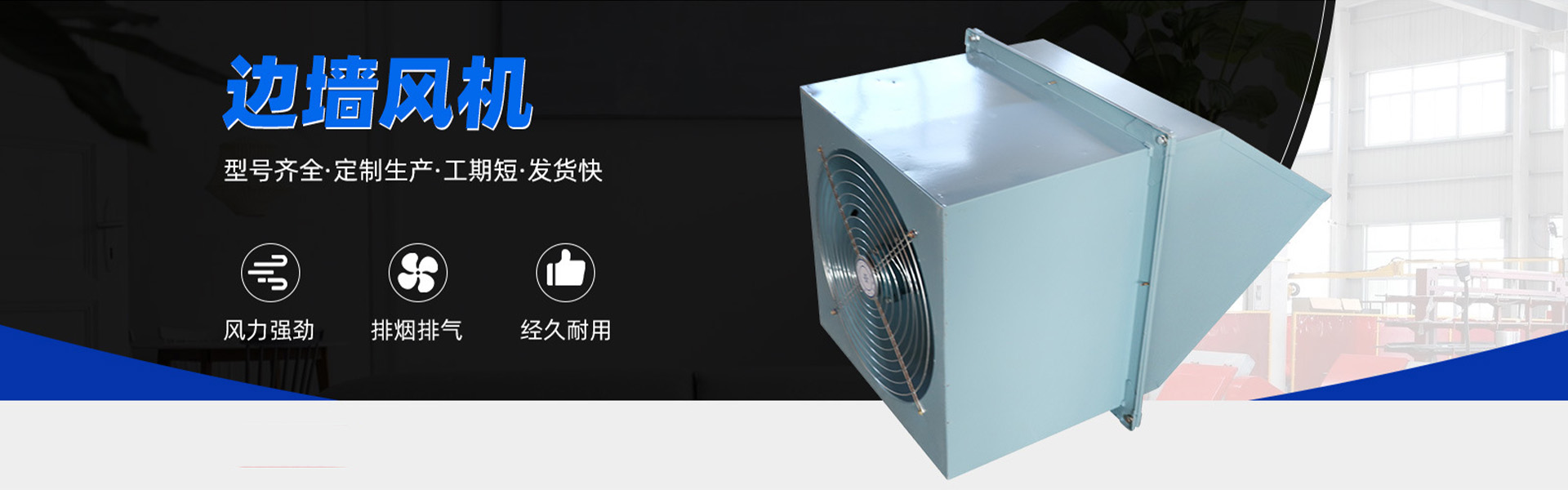
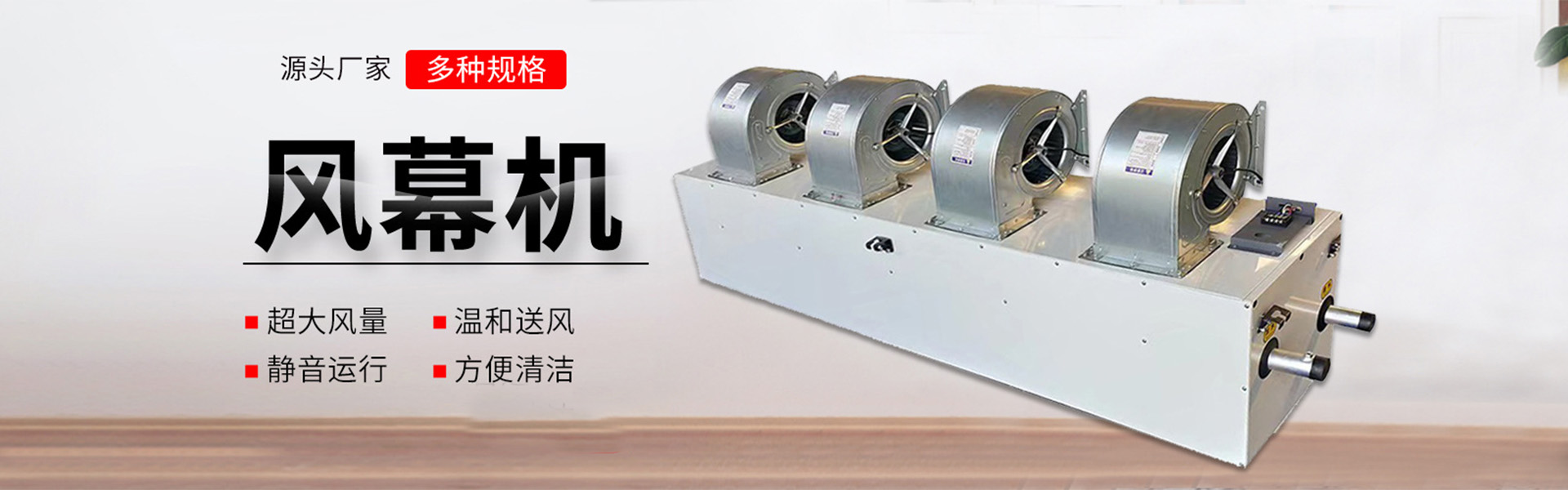


For users of wall-mounted axial fans, wear issues are omnipresent. During operation, wall-mounted axial fans can experience various forms of wear, primarily between the bearings, as well as wear on the impeller and the entire unit. Severe wear can directly impair the fan's performance. Given the numerous aspects of wear, addressing the issue of impeller wear in wall-mounted axial fans is what we aim to explore today.
Refining the process route is a typical method; placing wall-mounted axial fans after the dust collector, such as after a humidification tower or pipe humidification, and positioning the drying heat source exhaust fan after the dust collector all greatly benefit in preventing fan wear. Surface bonding or welding ceramic materials, using high-strength, high-temperature-resistant adhesives or special welding techniques to composite wear-resistant engineering ceramics onto the fan blades, with a focus on addressing the issue of detachment.
The surface of wall-mounted axial flow fan blades can undergo carburization treatment, which is a challenging process. During actual carburization, the position and thickness of the carburization layer are determined by the blade thickness, wear condition, and carburization process. Thermal spraying, using plasma spraying or oxygen-acetylene flame, applies ceramic or tungsten carbide to the worn surface of wall-mounted axial flow fan blades, or welds nickel-based + tungsten carbide alloy.
Methods to reduce the wear of wall axial flow fan blades require users to start with corrosion prevention. Often, the corrosion of the fan exacerbates the wear, so how to minimize the corrosion of the fan during use is also an issue users need to be aware of. Whether the wall axial flow fan can maintain long-term performance is closely linked to the regular maintenance and care it receives. A comprehensive maintenance plan is a must-have for users.
News Center Co., Ltd.
