
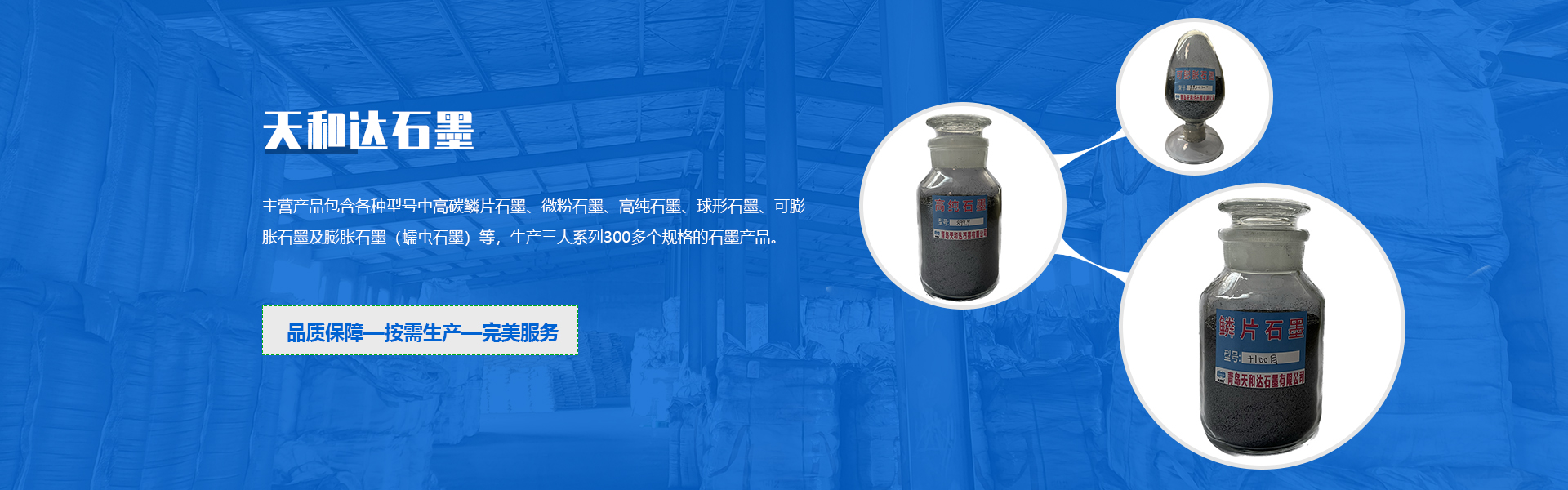
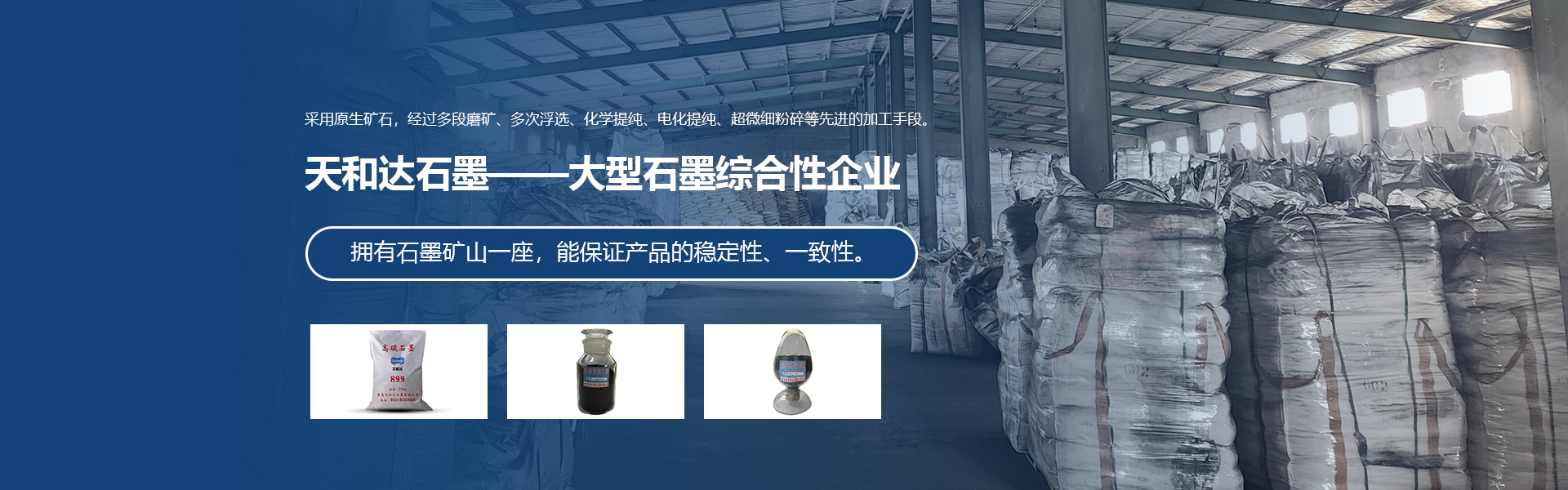

Worm-shaped Graphite is expanded graphite that forms into a curly, worm-like shape after expansion. The density of graphite is typically 2360 kg/cubic meter, but it can reach 800-1600 kg/cubic meter after expansion.
Graphite's volumetric expansion is primarily the result of chemical treatment and high-temperature heating.
When substances like halides or strong oxidizers enter the interlayer of graphite, intercalated graphite compounds are formed. These interlayer compounds are unstable and, upon heating, will undergo vaporization and decomposition, spewing out from between the layers. At particularly high temperatures and rapid heating rates, the decomposition force is significant, pushing the layers apart and forming a curled, stacked structure resembling a worm, hence the name "worm graphite."
This expansion process occurs only in the vertical direction perpendicular to the layers. In the direction parallel to the layers, due to the curling of the layer planes, there is a trend of area reduction, with the diameter of the scales decreasing.
News Center Co., Ltd.
