
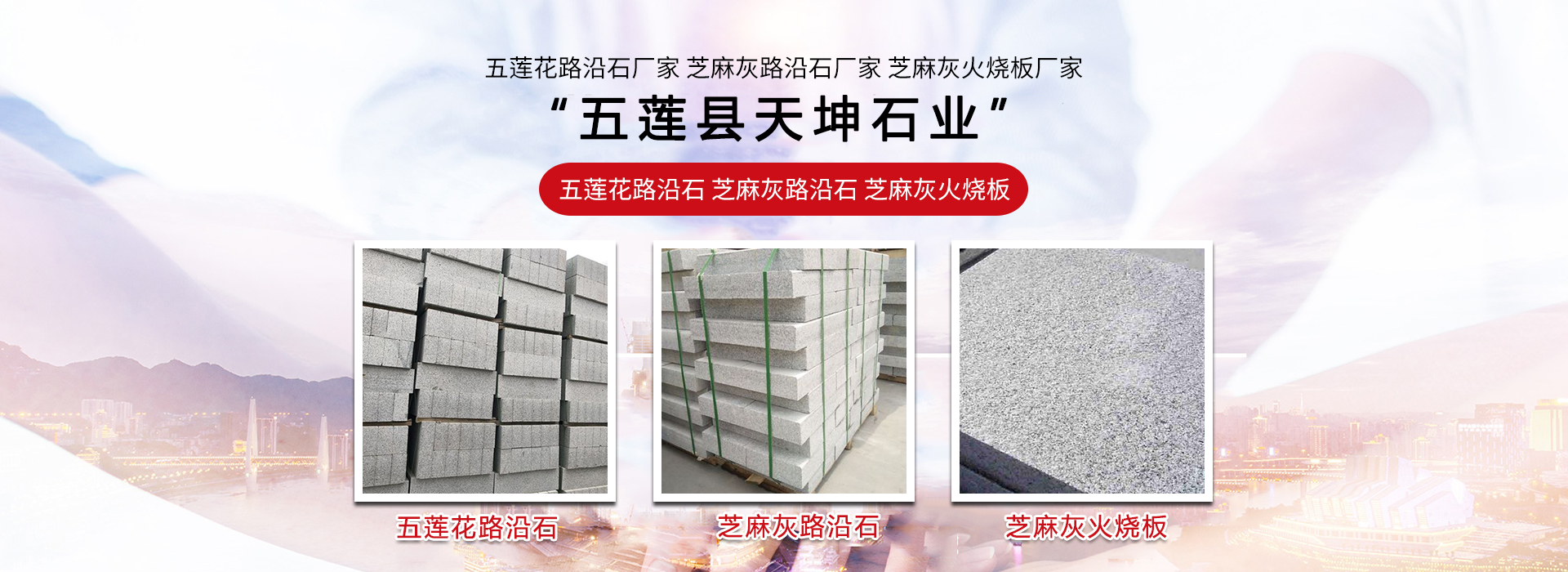
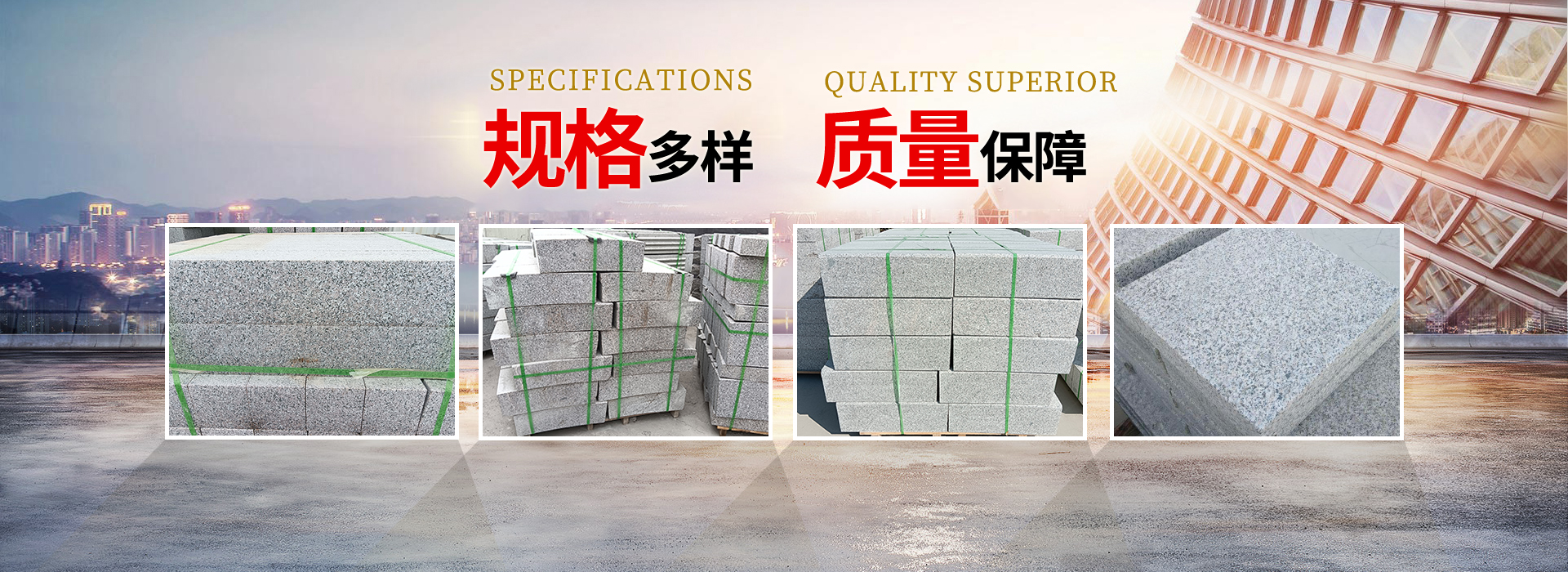
Wulian Stone is a decorative building material, with the common types in the market being Wulian Red and Wulian Flower. The Wulian Flower Stone boasts a vast reserve of resources and is among the highest in production. The main processed products are Wulian Flower fired slabs and curb stones. Various finished and semi-finished stone products are sold worldwide. Wulian Stone is also gaining popularity among households. How should Wulian Stone for home use be maintained? Let's find out together.
Wulian Stone should be kept away from non-neutral items at home, as everyone knows that Wulian Stone is susceptible to acidic and alkaline reactions. If acidic substances come into contact with Wulian Stone over time, the sulfur-iron minerals within the granite material can undergo oxidation reactions, leading to the phenomenon of yellowing in the stone. As we all know, acidic substances gradually dissolve the calcium carbonate in marble, causing erosion on the surface of Wulian Stone. Alkaline substances can also erode the feldspar in granite, resulting in the phenomenon of grain detachment in Wulian Stone.
Wulian stone's waxing treatment for household use should be approached with care; it must not be done arbitrarily. There is a variety of waxes suitable for Wulian stone, including water-based wax, stearic acid wax, oil-based wax, and acrylic wax. It's important to know that these waxes contain acidic and alkaline substances internally. The respiration reaction of Wulian stone can be affected, and it may also attract dirt, leading to the formation of stone wax residue, causing the surface of the Wulian stone to yellow.
Proper use of non-neutral cleaning agents for Wulian stone in household settings is crucial. While striving for cleanliness, be mindful that all cleaning agents contain acidic or alkaline properties. Prolonged use of stone cleaners with unclear internal ingredients can lead to the loss of luster on Wulian stone surfaces over time, and the residue from non-neutral agents is a primary cause of stone discoloration in the future.
Do not cover household five-lan stone with carpets or other debris during use. This is to ensure the stone's proper ventilation, as well as to prevent long-term covering by carpets and debris on the stone surface. Otherwise, moisture beneath the stone cannot evaporate through the stone's capillary pores.