

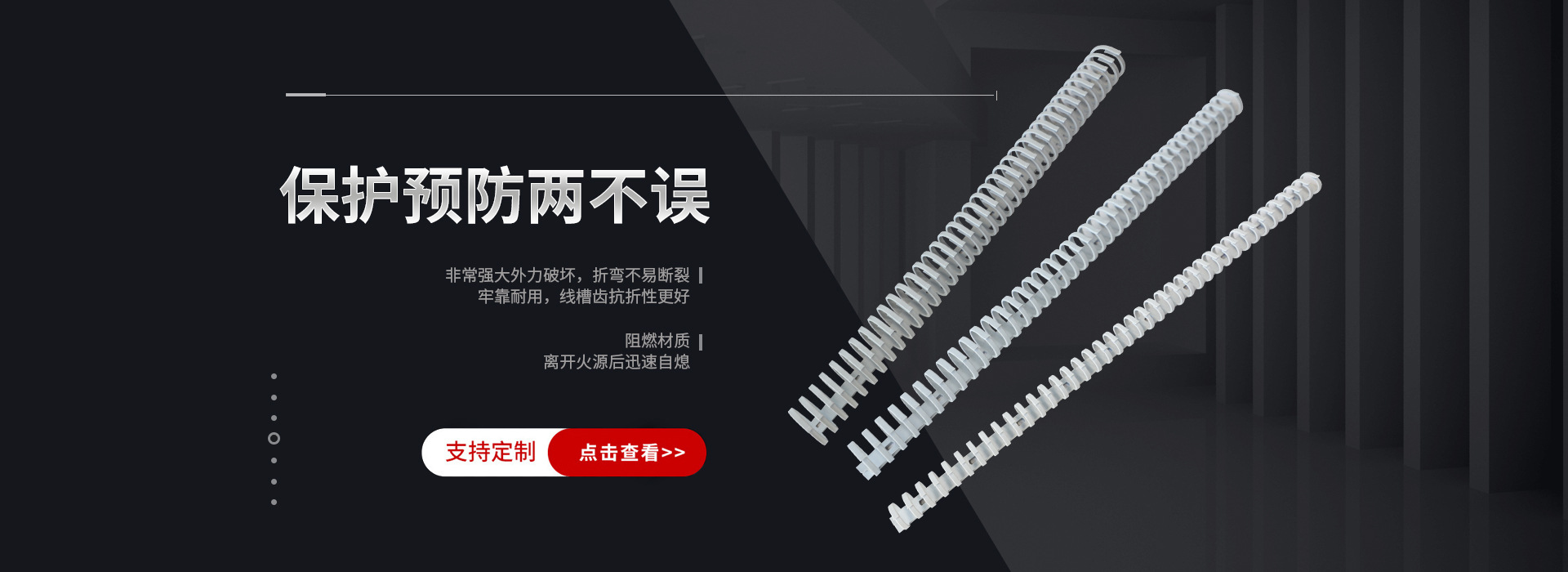





The ribbed channel is primarily used in the following scenarios:
Construction Industry: Dragonbone conduits effectively organize and manage cables during internal wiring in buildings, enhancing safety and reducing the risk of fire. Additionally, they assist in concealing cables, improving the cleanliness and aesthetic appeal of indoor spaces.1
Electrical Equipment Installation: For projects requiring extensive electrical wiring layout, such as data centers or large factory workshops, metal channels are an indispensable component. They ensure the neat and safe operation of the wiring, avoiding potential safety hazards and maintenance difficulties caused by overly chaotic wiring.
Fire Alarm and Monitoring Systems: During the installation of fire alarm and monitoring systems, the backbone conduit is used to ensure the safety and stable operation of related lines, preventing signal interference and potential losses or risks.
Material and specifications of the keel line slot:
Material: The backbone channel can be made of metal or plastic. Metal channels consist of a base and a cover, while plastic channels are typically made of polyvinyl chloride (PVC) material, featuring good toughness, flame retardant auto-extinguishing, and arc-resistant properties.2
Specs: Common metal channel specifications include 50×100mm, 100×100mm, 100×200mm, 100×300mm, 200×400mm, and so on.
Installation Method of the Skeleton Line Channel
Installation Tips: Ensure the expansion bolt sleeve is flush with the hole, and after securing the bolt, make sure the head offset is no more than 2mm.
Installation Method: Choose between adhesive or screw mounting.
In summary, the dragon bone channel finds extensive application in building and electrical equipment installation, offering a variety of materials, rich specifications, and flexible installation methods.