


What are the protective functions of UPS's uninterruptible power supply?
1. Power Failure Protection Function
During an instant power outage from the municipal power grid, the UPS uninterruptible power supply system immediately converts the DC power from the UPS battery into AC power to continue supplying power to the load, thereby avoiding inconvenience and loss due to the power outage.
2. Voltage Stabilization Function
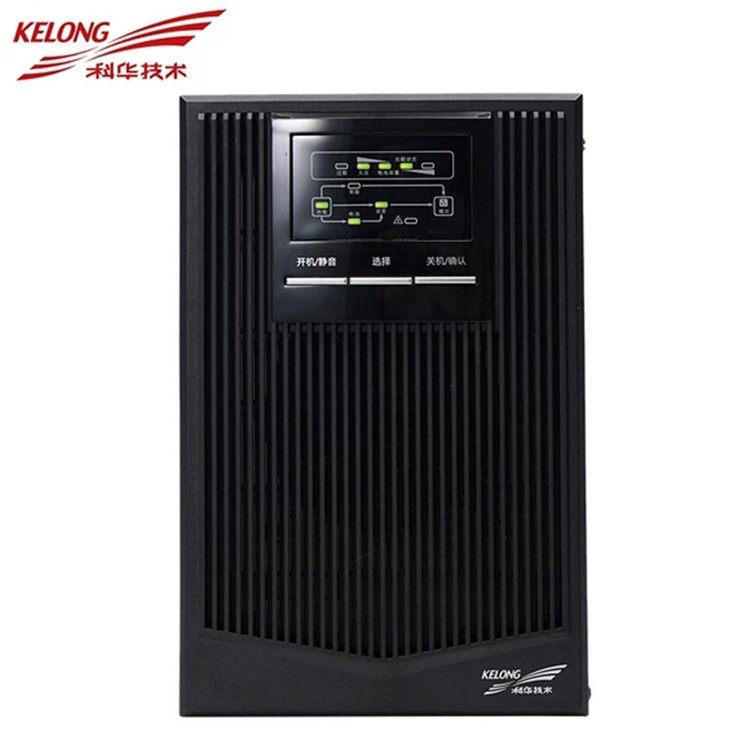
The voltage of city electricity is easily affected by the distance and quality of the transmission lines. Users closer to the substation tend to have higher voltage.
Customers located farther from the substation will experience lower voltage.
Overvoltage or undervoltage can affect the quality and lifespan of users' equipment, and in severe cases, can damage the equipment, resulting in significant losses for users. The use of an UPS power system can provide users' equipment with a stable voltage supply, ensuring normal operation and extending the lifespan of the equipment.
3. Surge Protection Function
Typically, UPS power systems are designed with advanced discharge configurations to absorb surges, thereby preventing surge-related issues from affecting equipment efficiency and lifespan, and providing protection for the devices.
4. Overvoltage and undervoltage protection function
When the municipal power voltage fluctuates, the voltage stabilizer (R) within the UPS maintains the voltage within a safe, usable range, ensuring the equipment operates normally. Should the voltage drop below or exceed the usable range, the UPS power system will activate the battery backup to ensure continuous operation of the equipment.
5. Harmonic Distortion Protection Function
When electricity is transmitted through transmission and distribution lines to the point of use, voltage waveform distortion occurs, causing the fundamental current to change and generating harmonics.
Harmonics can affect equipment operation, but using an uninterruptible power supply (UPS) can provide stable and high-quality power, effectively enhancing the operational efficiency and lifespan of the equipment.
6. Frequency Stability
Frequency is the cycle of change per second in the mains electricity, so 50Hz means 50 cycles per second.
The fluctuation in the speed of a city power generator due to sudden changes in the amount of electricity consumed by users will cause the output power frequency to be unstable.
Power converted through UPS provides a stable frequency, ensuring the normal operation of instruments and equipment.
7. Instant Protection Effect
Voltage fluctuations, surges, dips, or sudden drops can occasionally occur in the city power supply.
Such issues can affect the accuracy of the equipment, and in severe cases, can damage precision equipment, resulting in losses for users.
UPS power systems provide stable voltage, thereby protecting equipment.
