

Wet-type isostatic pressing
Pre-compressed blanks are encapsulated within an elastic plastic or rubber mold, sealed, and then placed into the cylinder. Compression molding is achieved through the transfer of fluid.
Dry Isostatic Pressing
The elastic mold is semi-fixed, not immersed in a liquid medium, but sealed through the upper and lower pistons. The pressure pump injects the liquid medium between the cylinder and the pressurized rubber, transferring pressure to the blank for shaping through the liquid and isostatic pressure.
Isostatic Pressing Technique
Preprocessing of powders is essential for static pressure molding processes, particularly for friable powders. This involves granulating the powder to enhance its flowability, adding binders and lubricants to reduce internal friction within the powder, and improve bonding strength, ensuring it meets the requirements of the molding process.
2. The molding process, including filling, pressure application, pressure holding, and pressure release stages. The filling should be as even as possible to avoid air pockets in the mold; the pressure application should be smooth and the pressure rate should be appropriate; for different powder types and mold shapes, select the suitable pressure and pressure holding time; simultaneously, choose the appropriate pressure release speed.
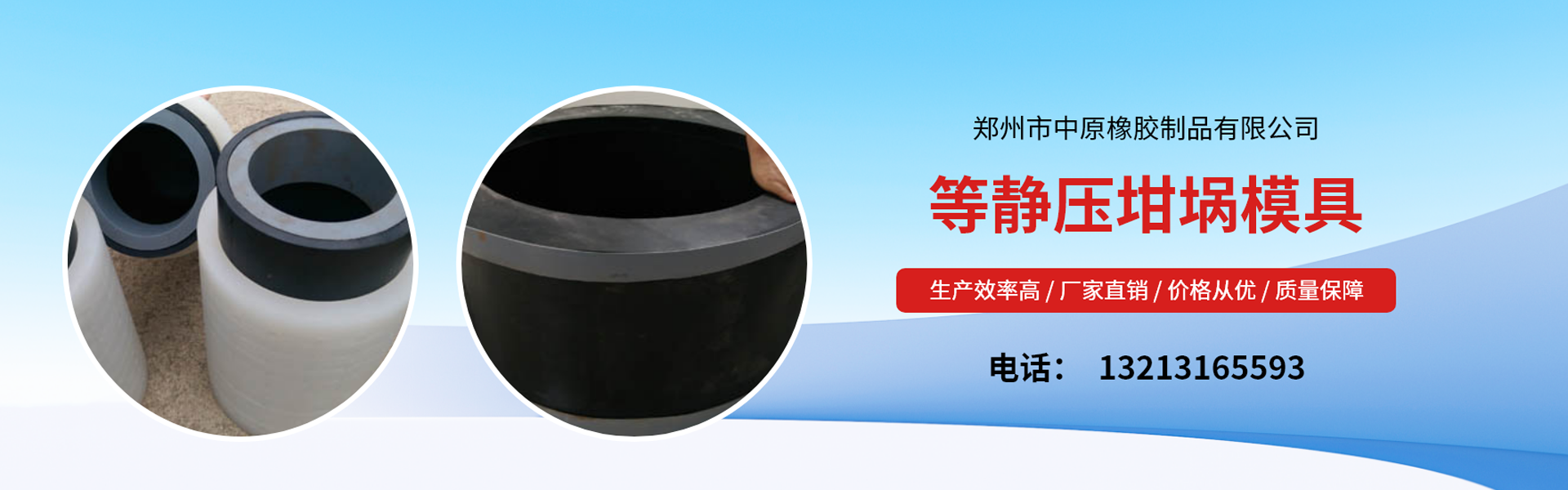
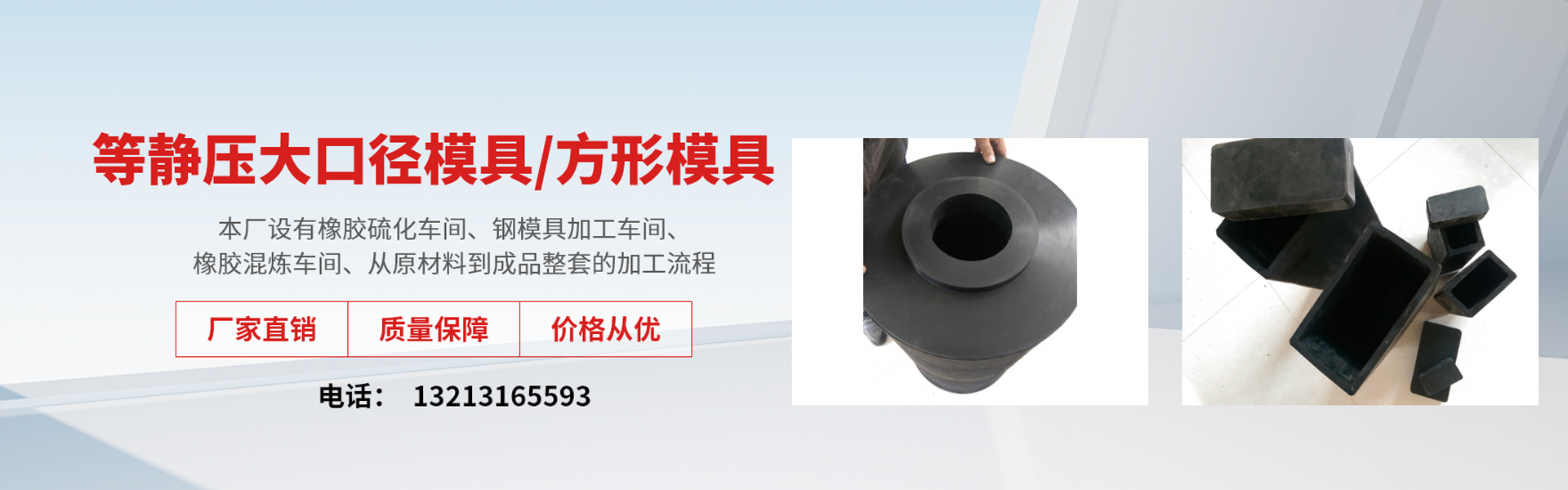
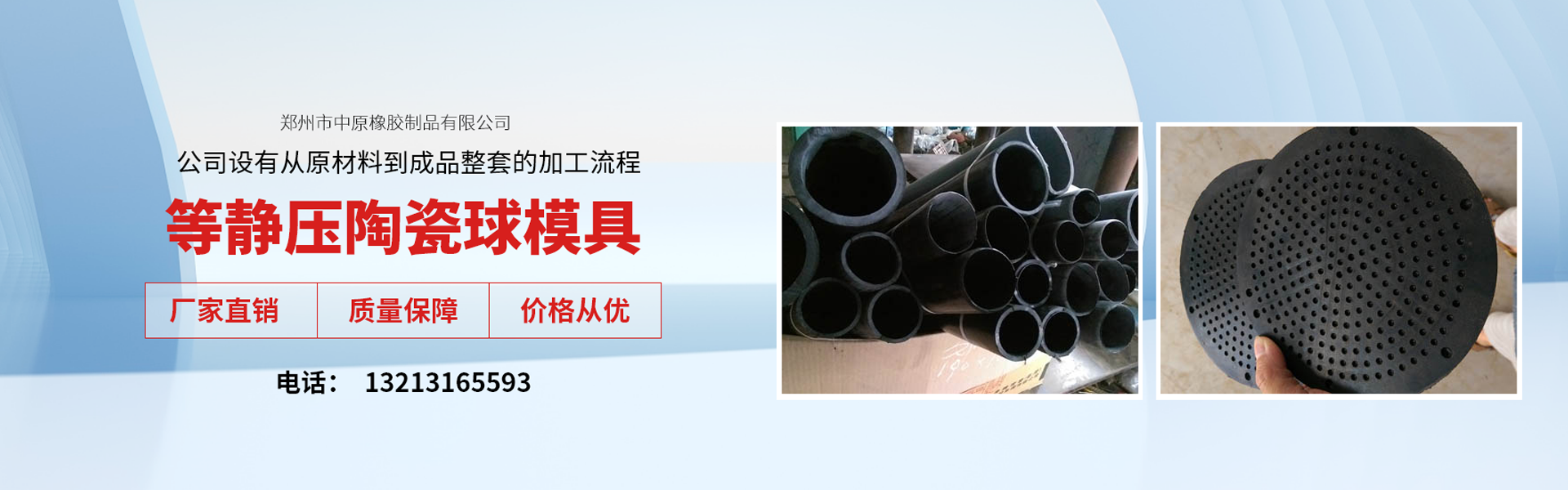
3. Forming molds require special characteristics for isostatic pressing, including sufficient elasticity and shape retention; high tensile and crack resistance; good wear resistance; excellent corrosion resistance without chemical reactions with the medium; and good demolding properties. They are also cost-effective and have a long service life. Wet isostatic pressing typically employs rubber molds, while dry isostatic pressing often uses materials such as polyurethane and polyvinyl chloride.
Applications of isostatic pressing
The isostatic pressing products boast uniform microstructure, high density, low sintering shrinkage rate, low mold costs, and high production efficiency. They are capable of forming complex, elongated, large-sized, and precision-sized products, which are outstanding advantages. Currently, it is a relatively advanced forming process, beginning to replace traditional methods such as spark plugs, porcelain balls, plungers, and vacuum tube shells in ceramic production, showcasing a growing application prospect.
