
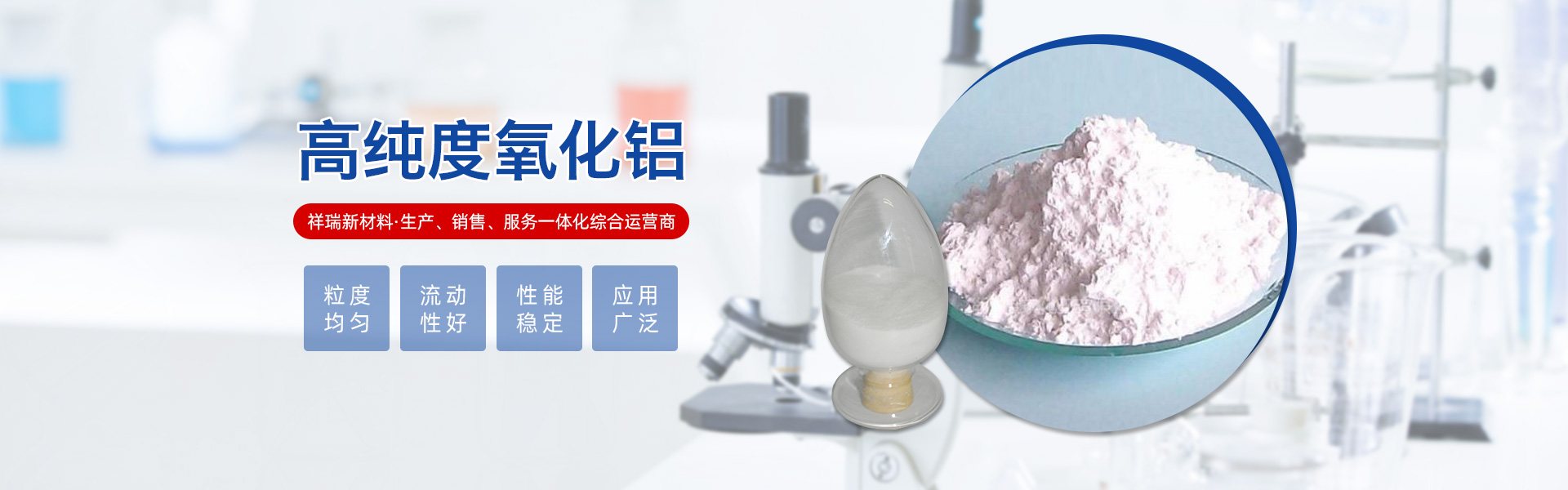
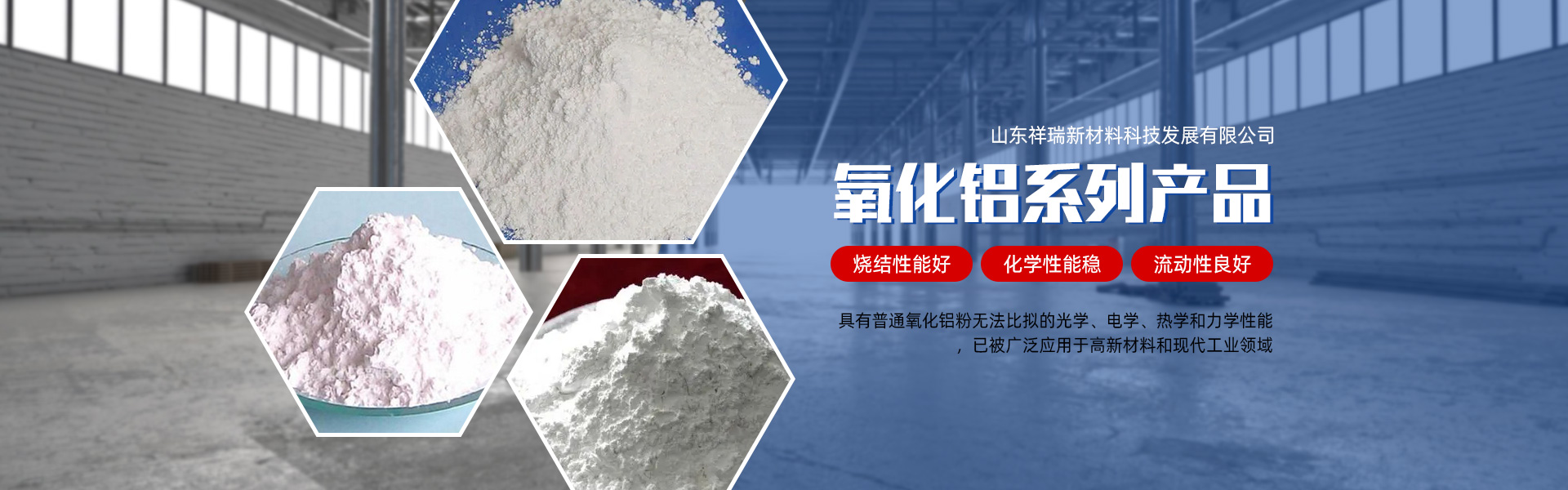
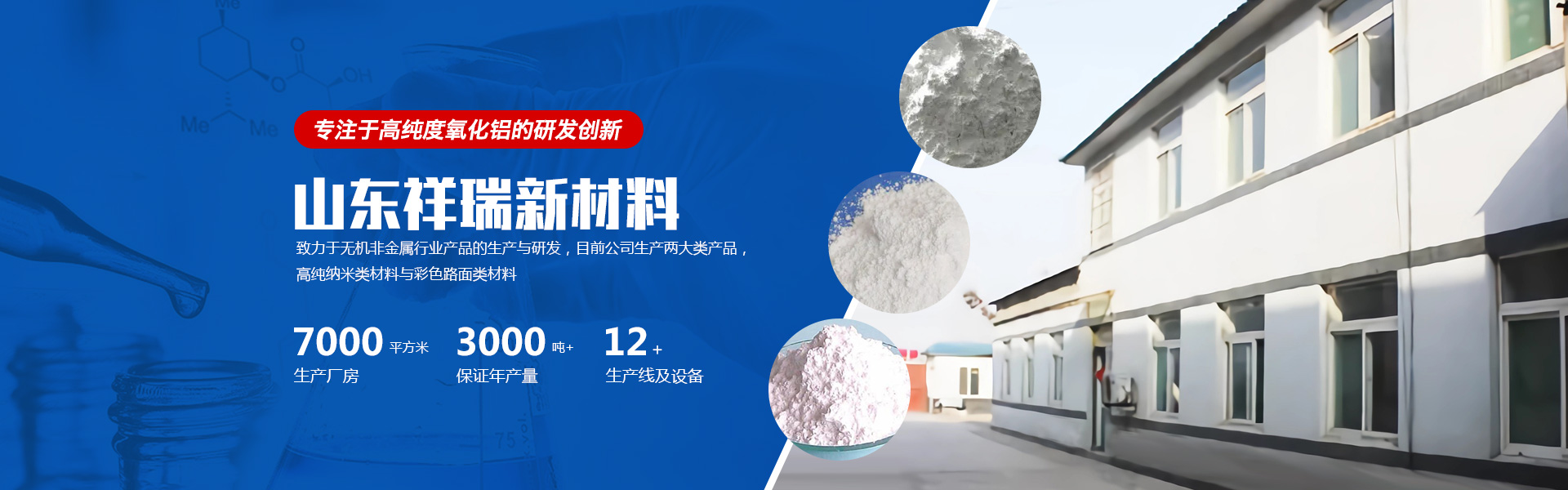

The primary phases are categorized as follows: 1. Alpha-alumina, which is a stable phase of alumina and a major constituent of corundum. It is typically obtained through industrial calcination from the beta and gamma phases, characterized by its stable structure, high bulk density, and strength. 2. Beta-alumina, a transitional phase from gamma to alpha phase, is highly unstable and begins to transform into alpha phase at temperatures reaching 1000 degrees Celsius, resulting in changes in volume and density, making it unsuitable for direct use in industrial production. 3. Gamma phase, also known as industrial alumina, is commonly produced in aluminum plants and primarily used in the aluminum electrolysis industry for producing aluminum ingots. It is also an unstable phase with significant shrinkage upon firing.
Products for industrial manufacturing of alumina ceramics typically utilize α-alumina, which has minimal shrinkage upon firing, stable structure, high strength, and causes fewer cracks during the firing process. Additionally, other phases of alumina, such as ρ-alumina, can be obtained through industrial methods like firing, and this is an active alumina obtained through special processes.
