
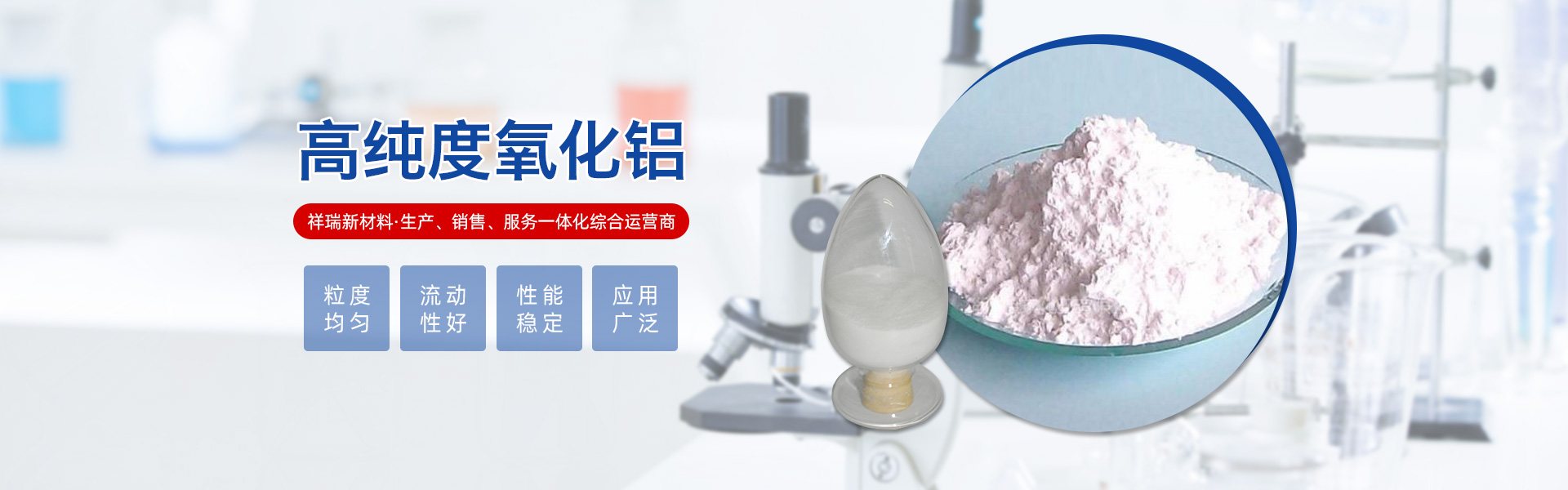
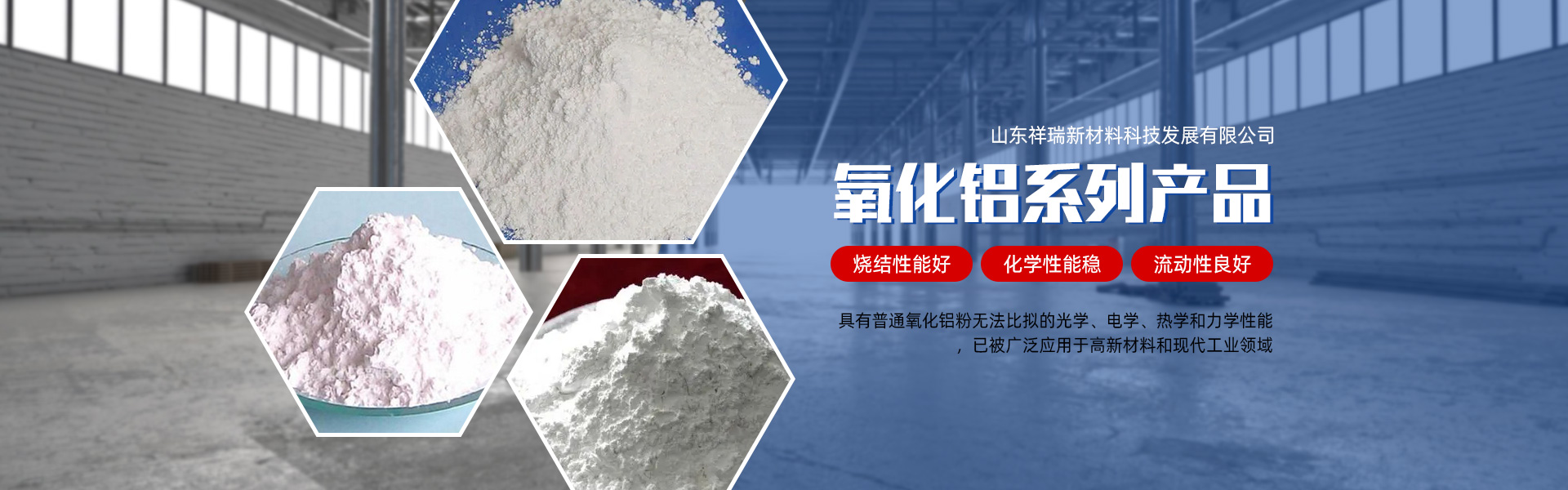
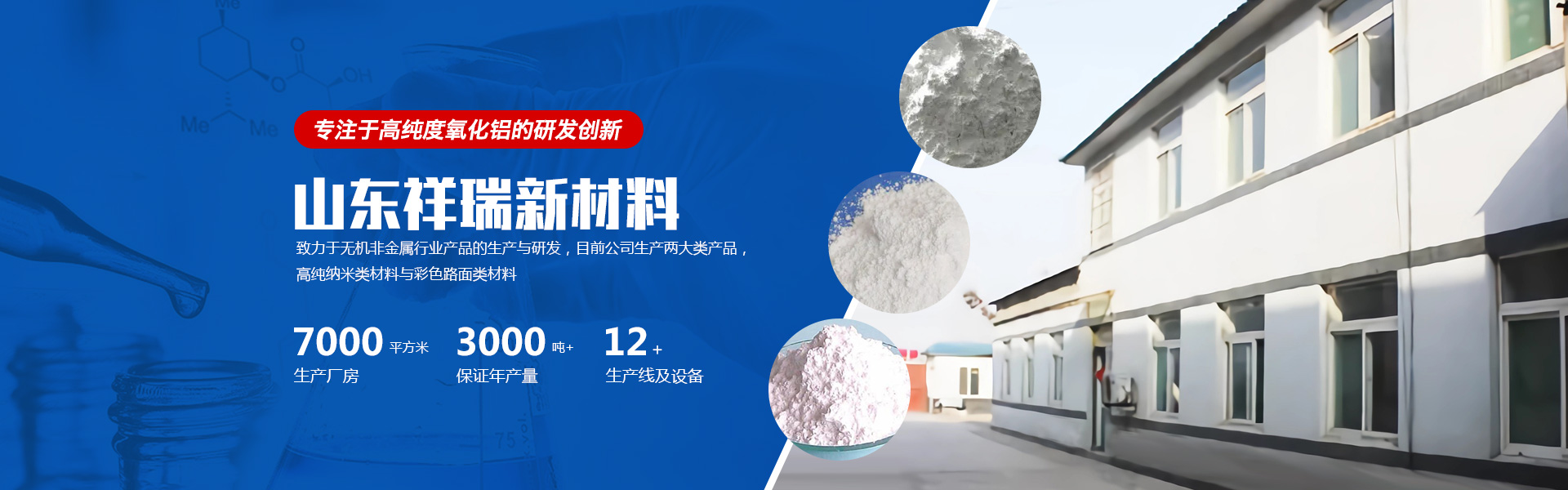

Al2O3 is an electrical insulator but has a relatively high thermal conductivity for ceramic materials (30 W/m·K). Aluminum oxide is insoluble in water. In its common crystalline form, known as corundum or α-alumina, its hardness makes it suitable for use as an abrasive and cutting tool component.
Alumina is responsible for the weather resistance of aluminum metal. Aluminum has a strong reactivity with oxygen in the atmosphere, and within a few hundred picoseconds, a thin alumina passivation layer (4nm thick) forms on any exposed aluminum surface. This layer protects the metal from further oxidation. The thickness and performance of this oxide layer can be enhanced using a process called anodizing. Various alloys, such as aluminum bronze, increase corrosion resistance by adding a certain proportion of aluminum, leveraging this characteristic. The alumina produced through anodizing is typically amorphous, but discharge-assisted oxidation processes (such as plasma electrolytic oxidation) result in a significant proportion of crystalline alumina in the coating, thereby increasing its hardness.
Alumina was removed from the U.S. EPA's chemical inventory in 1988. If alumina is in a fibrous form, it is on the EPA's list of toxic substances releases.
Binary Gender Nature
Alumina is an amphoteric substance, meaning it can react with both acids and bases (such as hydrofluoric acid and sodium hydroxide), acting as an acid with bases and as a base with acids, neutralizing the other and producing a salt.
