

Is alumina always high-purity alumina? What's the difference between them?
No, generally speaking, alumina is an impure form of alumina. It is industrially produced from bauxite (Al2O3·3H2O) and cryolite. High-purity, low-sodium alumina is typically prepared through chemical methods.
Alumina
Nature: White solid, insoluble in water, odorless, tasteless, hard, hygroscopic but not deliquescent (does not absorb moisture after burning). Amphoteric oxide, soluble in inorganic acids and alkaline solutions, almost insoluble in water and non-polar organic solvents; relative density (d204) is 4.0; melting point is 2050°C.
Storage: Store in a sealed, dry environment.
Applications: Used as analytical reagents, organic solvent dehydrating agents, adsorbents, organic reaction catalysts, abrasives, polishing agents, aluminum smelting raw materials, and refractory materials.
High-purity alumina
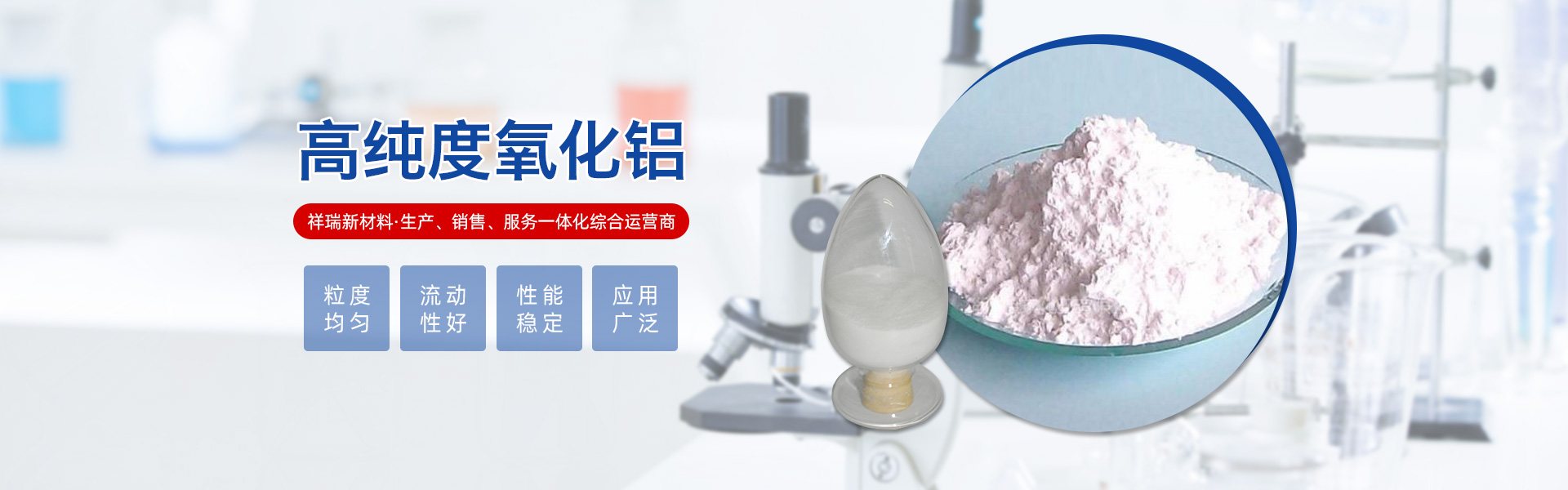
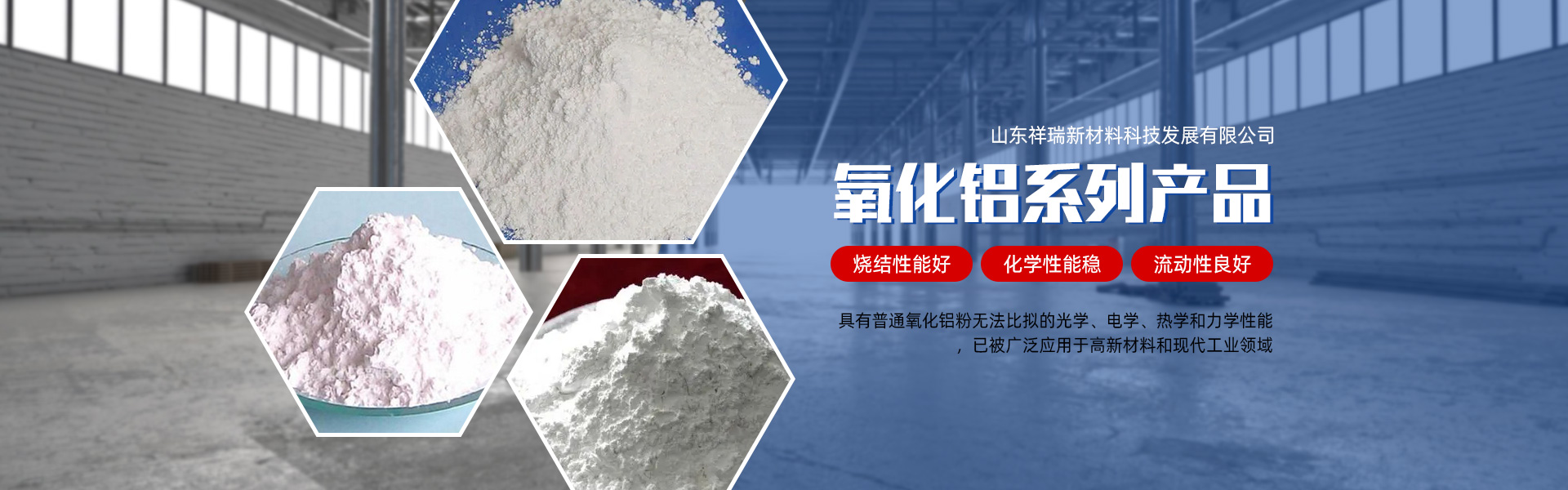
High-purity aluminum oxide powder is a white fine powder with uniform particle size, easy to disperse, stable chemical properties, moderate shrinkage at high temperatures, and good sintering performance. It boasts high conversion rates and low sodium content. This product serves as the basic raw material for producing heat-resistant, wear-resistant, and corrosion-resistant products, such as high-alumina refractory materials, high-strength ceramic products, automotive spark plugs, and advanced abrasives. The product offers reliable quality with high melting points, excellent thermal stability, high hardness, good wear resistance, high mechanical strength, good electrical insulation, and excellent corrosion resistance. It is widely used in shaped and unshaped refractory materials, refractory casting binders, wear-resistant tools, high-purity refractory fibers, special ceramics, and electronic ceramics. The high-purity low-sodium aluminum oxide meets the requirements of users with different applications and process conditions. Aluminum oxide is produced by calcining high-purity industrial aluminum oxide and hydrated aluminum oxide with additives at low temperatures, followed by the use of advanced powder grinding technology and processes to produce active aluminum oxide micro-powders, characterized by high activity and fine particle size. It is particularly suitable for shaped products such as refractory casting materials, plastic refractory materials, repair materials, spray materials, and coatings, as well as unshaped refractory materials. It plays a significant role in enhancing the high-temperature strength of refractory materials and the erosion resistance of materials.
