


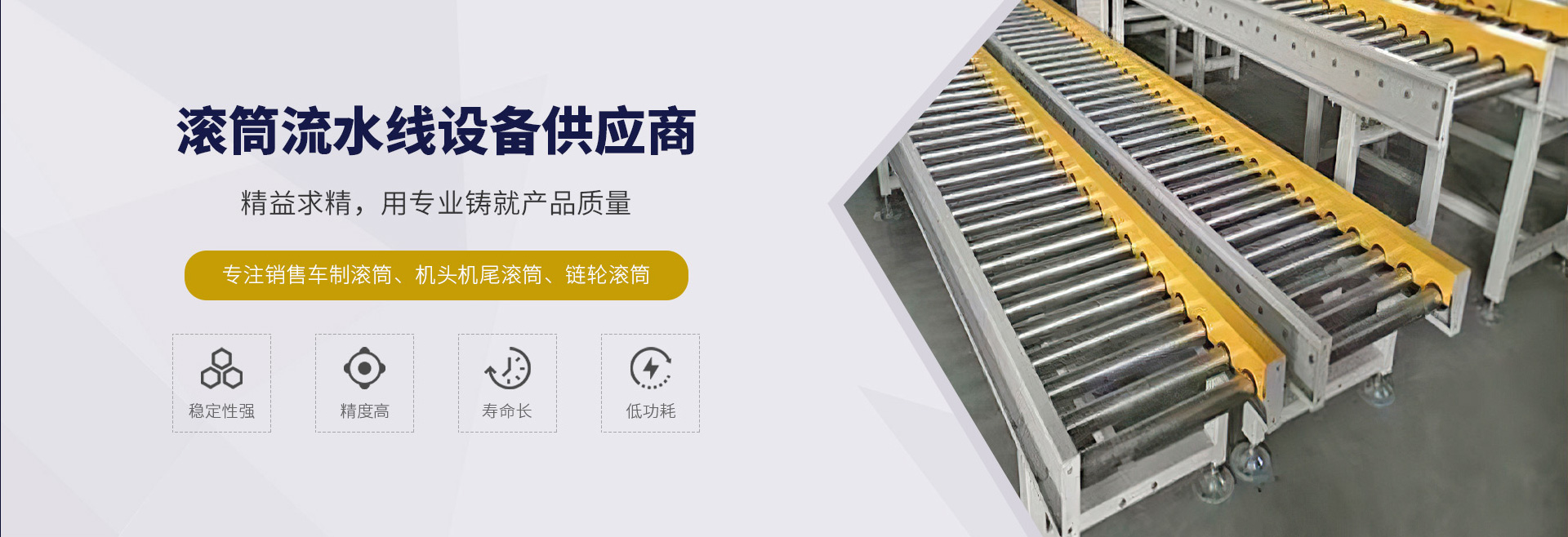


The assembly line, also known as the automatic assembly line for large-scale products, is typically used to assemble the various processed semi-finished components into a complete unit. Large products such as cars, airplanes, televisions, and air conditioners, for instance, have their components manufactured on smaller production lines or assembly lines. How should an assembly line for integrating product components be laid out?
1. Equipment Factors: The selection of the assembly line is determined by the technical requirements of the product and the assembly process methods. Properly choosing the process equipment and jigs for the layout of the assembly line not only enhances production efficiency and reduces manufacturing costs, but also rationalizes the assembly line layout process.
2. Product Factors: The design of product structure and assembly process is a key consideration in the layout of the final assembly line. Analyzing and researching the product structure, and proposing improvements, can significantly streamline the production process on the final assembly line.
3. Production Method Factors. When arranging the assembly line, various aspects of the production method must be considered. To determine the production method, it is essential to clarify the following points: production plan; working system, referring to the shifts and working hours per shift; production line format, considering whether to use an automated line or a production line, and whether it's single-machine or group production; and management method, which refers to the management methods, systems, and regulations required to ensure production.
4. Factory Structure Factors. Once a factory is established, its flexibility is relatively low, so careful consideration should be given during the design phase, determining the factory structure based on production characteristics. For assembly processes with special requirements, a dedicated factory design is necessary.
Large-scale products require final assembly after all their components are produced, and the production line for this final assembly process is known as the assembly line. Therefore, assembly lines typically require a high degree of automation and careful, thorough layout planning. Otherwise, well-designed products, expensive equipment, and good sales can be compromised by poor assembly line layout. Thus, the layout of the assembly line is crucial for the overall assembly production of the product.
