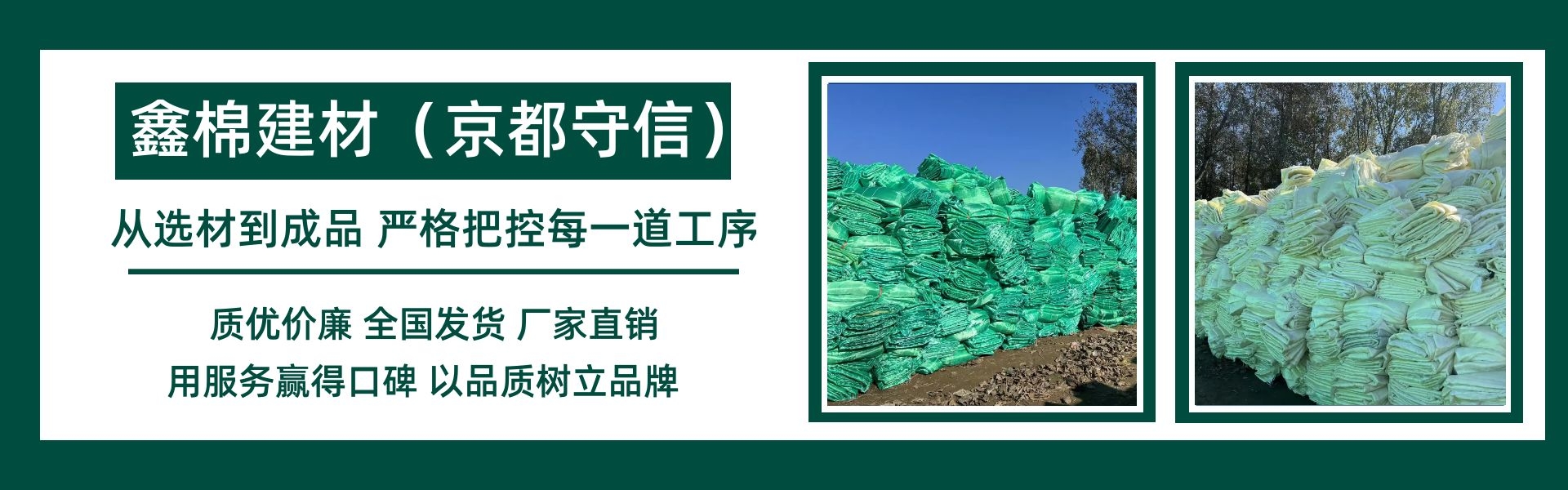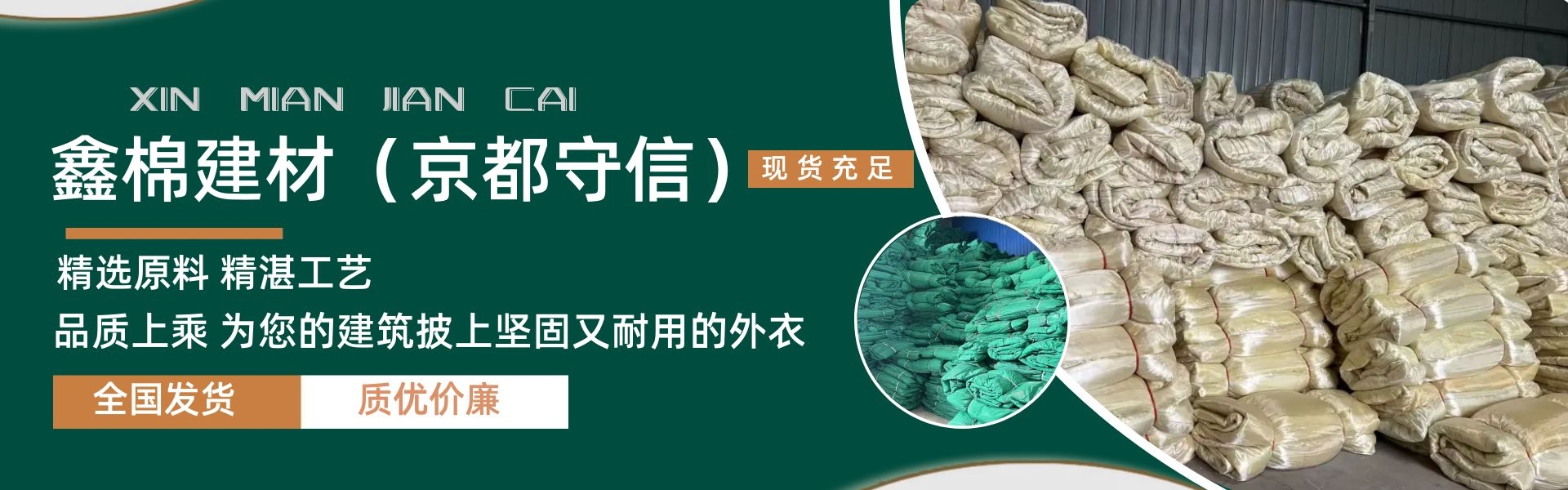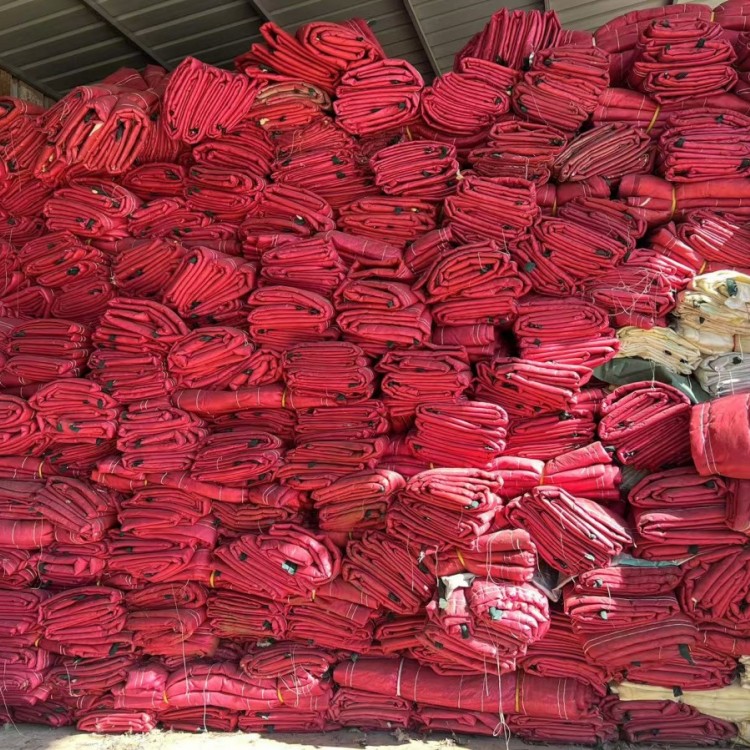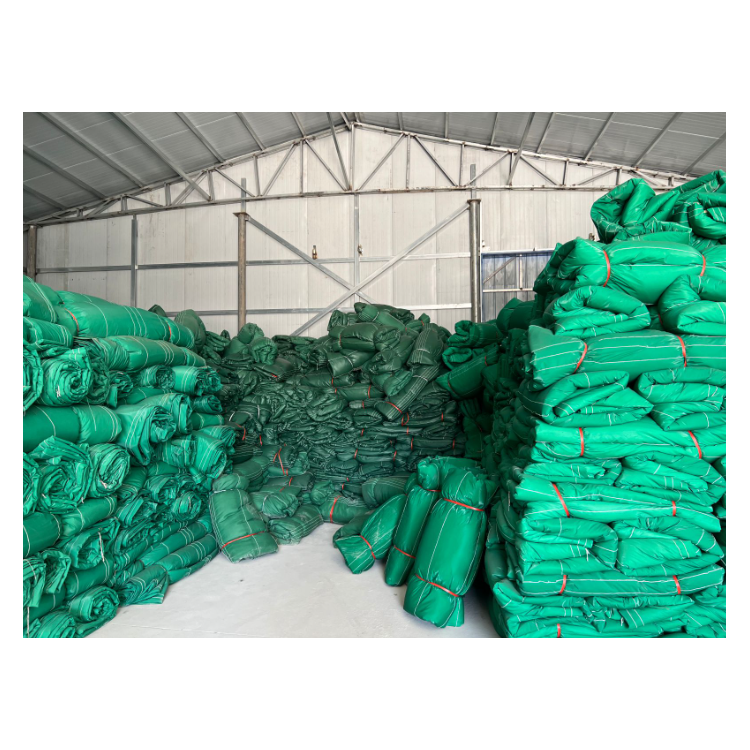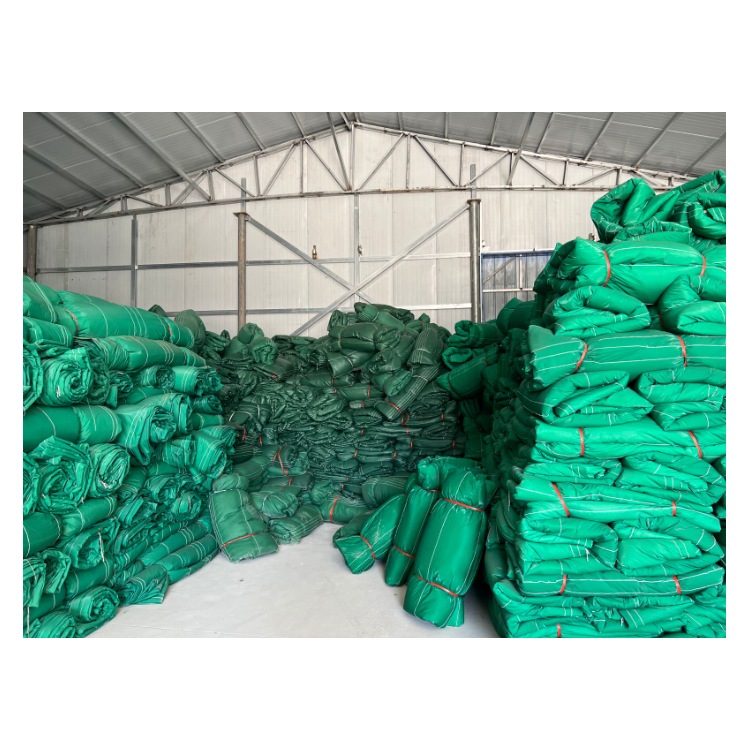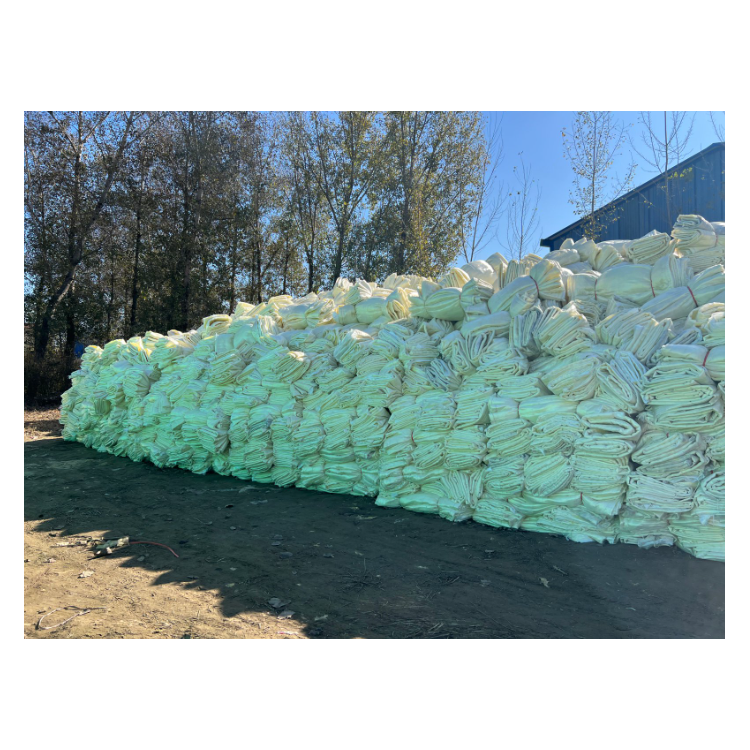
Rock wool blankets, electric heating blankets, fire-resis...


The core of rock wool batts consists of the internal rock wool and the outer wrapping material. When selecting, please pay close attention to the following points:
Thermal Conductivity Coefficient:
This is a critical indicator for measuring thermal insulation performance. The lower the value, the better the insulation effect.
Typically, the requirement is not more than 0.040 W/(m·K), with high-quality products reaching between 0.035 and 0.038 W/(m·K).
Inquire with the supplier: "Could you please inform us of the thermal conductivity of the rock wool core material in your rock wool blankets?"
Bulk Density:
Weight per cubic meter of rock wool, unit: kg/m³.
Higher bulk density usually indicates better thermal insulation and mechanical strength, but also a higher price.
Common range: General applications such as building maintenance and pipe insulation typically range between 60-120 kg/m³. Specific needs may vary depending on your usage scenario (e.g., wind resistance outdoors, pressure-bearing requirements, etc.).
Inquire with the supplier: "What is the filling weight of this quilt?"
Thickness:
Determine based on the required insulation effect and environmental temperature.
Standard Thickness: 30mm, 50mm, 80mm, 100mm, etc.
Inquire with suppliers: "Considering our local low winter temperatures (e.g., -10℃), what thickness of product would you recommend to achieve XX℃ of insulation?"
Fire Rating:
Rockwool itself is an A-grade non-combustible material. The manufactured rockwool should also meet the A-grade fire resistance standard.
This is a strict safety criterion that must be confirmed. Suppliers are required to provide relevant inspection reports.
Water Repellency:
For outdoor applications (such as concrete winter construction and maintenance, pipe insulation), hydrophobicity is crucial. It signifies the material's resistance to water penetration.
The water-repellent rate of high-quality rock wool should exceed 98%. Its thermal insulation performance will sharply decline after absorbing water.
The outer shell of rock wool blankets determines their durability, sealability, and appearance.
Glass Fiber Fabric: A common choice, cost-effective, fire-resistant, and corrosion-resistant, but relatively fragile.
Waterproof Canvas (PVC Coated Fabric): Excellent waterproof properties, high strength, and greater durability, suitable for long-term outdoor use.
Aluminum Foil Fiberglass Fabric: Featuring a foil surface for reflecting radiant heat, enhancing insulation performance, and providing a neater appearance.
Fireproof, waterproof, and mildew-resistant fabric: A high-performance option with a higher price point, but boasts a long lifespan.
Select Recommendations: Choose based on budget and usage environment. For long-term outdoor use, we recommend waterproof canvas or three-protection fabric.
Sewing Technique: Are the stitches even and tight? Are there any skipped stitches or loose threads? Poor craftsmanship can lead to rock wool leakage during use.
Edge Treatment: Use strips of the same material or more wear-resistant fabric to wrap the edges to prevent fraying.
Connection Method (if multiple pieces are used): Does the design include overlapping edges for seamless insulation when multiple blankets are connected?
Fixed Method: Equipped with straps, Velcro, or ropes for easy attachment to the insulated object.
www.114global.com © Zhongshang 114 Hebei Network Technology Co., Ltd.Address: Room 6009, Oriental New World Center, No.118 East Zhongshan Road, Qiaoxi District, Shijiazhuang City, Hebei ProvincePlatform Service Hotline: 4006299930