
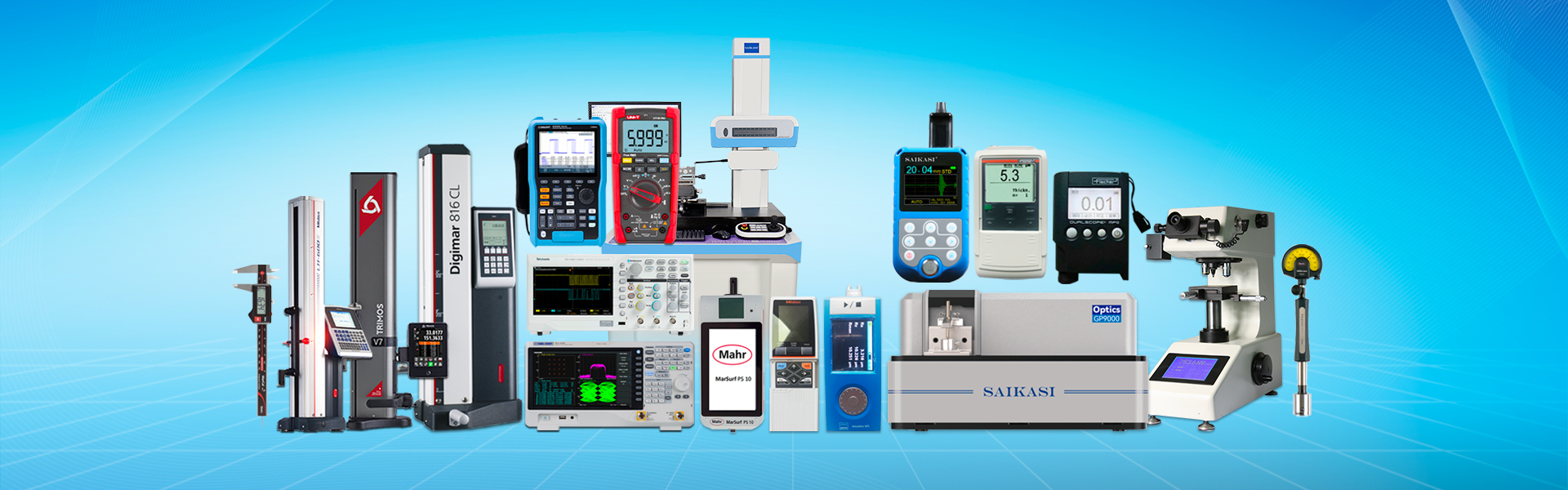
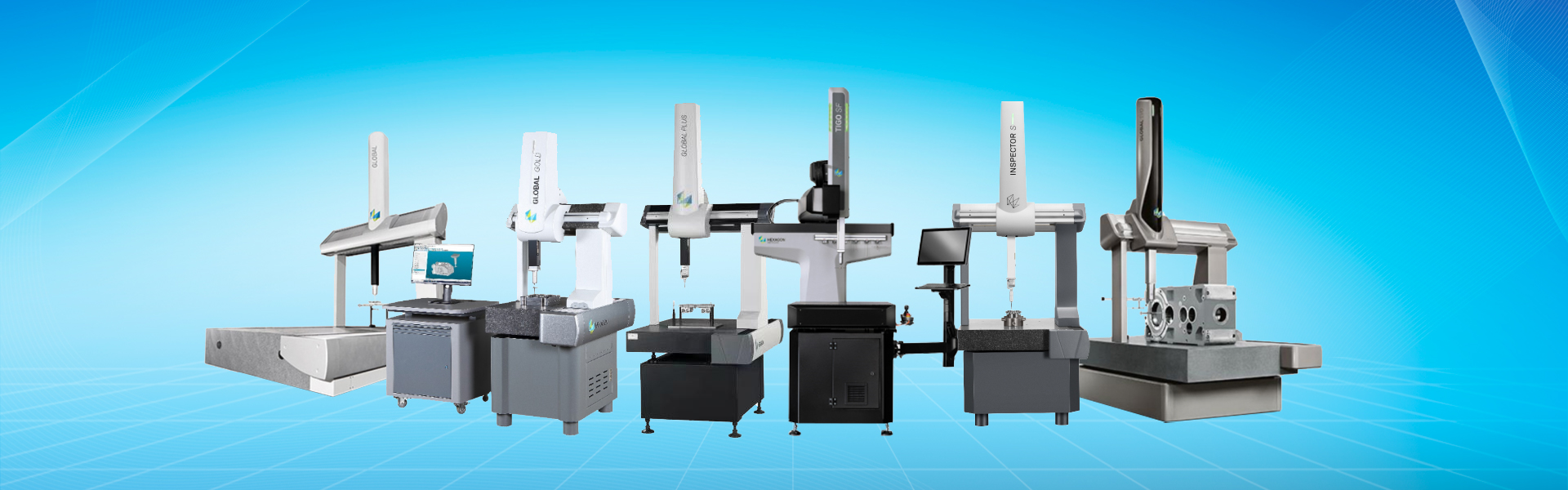
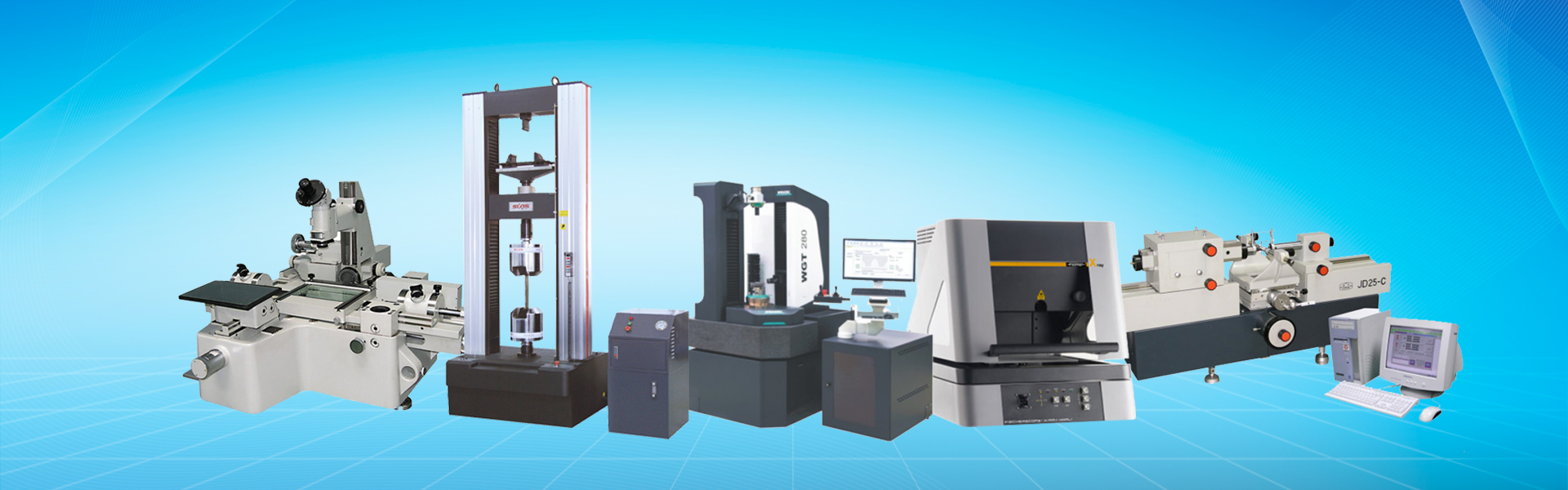
A high-tech measuring instrument, the image measuring machine utilizes optical imaging technology and image processing algorithms to achieve non-contact measurement and analysis of an object's dimensions, shape, and surface features. It is widely applied in industrial fields, scientific research, and quality control, providing an efficient and accurate solution for measurement and data analysis.
The working principle of the image measuring instrument is based on optical imaging principles and image processing technology. Generally, an image measuring instrument consists of a light source, lens, image sensor, image processing software, and display, among other components.
During the measurement process, a light source emits light, which is then directed onto the object being measured through a lens. The reflected light from the object enters an image sensor, forming a two-dimensional image. The image sensor can be a CCD (charge-coupled device) or a CMOS (complementary metal-oxide semiconductor) sensor, capable of converting light signals into electrical signals.
Next, the image processing software will process and analyze the acquired images. Initially, it will correct the images to eliminate optical distortions and image aberrations. Subsequently, using image processing algorithms, it will identify and extract object boundaries, feature points, or contour lines, etc. By measuring the distances, angles, and curvatures between these boundaries or feature points, the size and shape information of the object can be obtained.
Then, the measurement results will be displayed on the screen, usually in numerical form. Users can further analyze and process the measurement results as needed, such as conducting statistical analysis, comparative analysis, or comparing them with design specifications.
The working principle of the image measurement instrument is based on precise optical imaging and image processing technology, featuring non-contact, high precision, and high efficiency. It can be applied to the measurement of various shapes and sizes of objects, including planes, curved surfaces, apertures, and edges.
The image measuring instrument also features automation and digitization, enhancing measurement accuracy and repeatability while saving on labor and time costs.
