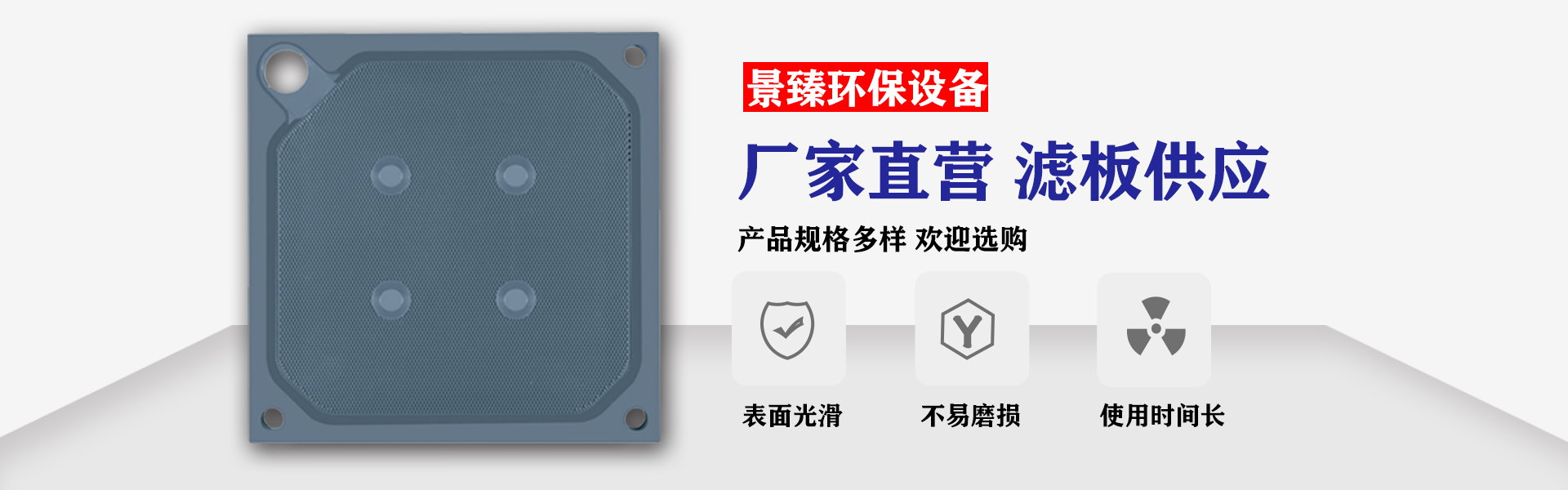
Regular Inspection Items for Filter Plates of Pressure Filters
The pressure filter is commonly used in harsh environments, not containing a definite concentration of acidic gases, and is filled with fire oil, alkaline dust, etc. In the long run, these corrosive chemicals will accumulate and damage electrical equipment components. This may lead to electrical malfunctions and unresponsive operation buttons. When the diaphragm pressure filter is in an operating condition where the operation button is effective, please first inspect the layout and contacts of the diaphragm pressure filter operation button.
When unexpected pressure exceeds the filter plate's tolerance, the diaphragm press filter plate will naturally crack and deteriorate. The cost of protecting the filter plate is usually high. To prevent these unnecessary high costs, users should take preventive measures in advance. In addition to operating at the correct pressure and preventing filter plate wear, it is also important to regularly inspect the condition of the filter plates. Examine any cracks on the filter plates. If new cracks appear on the filter plate, it means the plate may crack.
During unloading, the protruding edges around the pressure filter easily wear down. Once the edges become strained and worn, the sealed filter chamber of the assembled filter will not be airtight, and the pressurized liquid inside the filter will be forced out of the chamber. If wear leads to leakage or radiation, during the liquid transfer process, the membrane filter will exacerbate the wear on the filter plates. Consequently, the filter plates may be completely destroyed.