

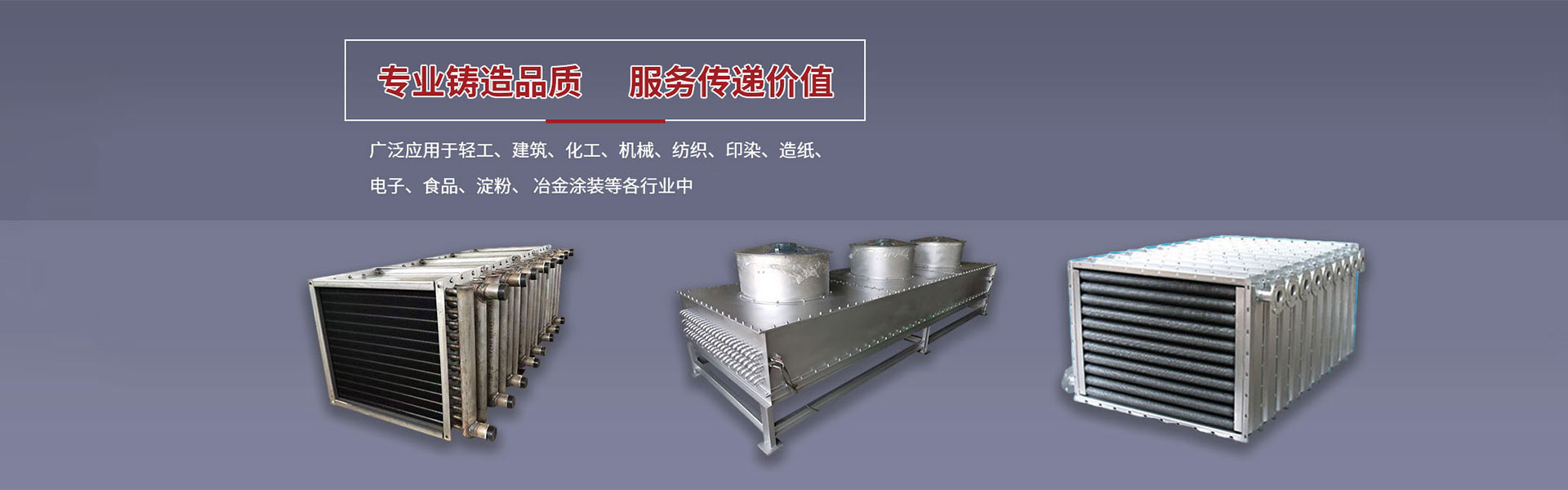

Please welcome Wuxi Xuelang Hongda Thermal Energy to introduce the application scope and installation conditions of thermal oil radiators.
Thermal oil radiatorA device that uses thermal oil as the heat transfer medium to transfer indoor heat to the radiator surface and dissipate heat. It is widely used in heating systems in both industrial and residential settings, significantly improving energy utilization efficiency, reducing energy consumption and operational costs. The following will detail the application scope and installation requirements of the thermal oil radiator.

I. Scope of Application
The application scope of thermal oil heat exchangers mainly covers the following fields:
Industrial Sector
Thermal oil heat exchangers are widely used in industrial heating systems across various sectors such as chemicals, light industry, textiles, dyeing and printing, food, papermaking, petroleum, metallurgy, and electronics. They provide a stable temperature environment for factories while also promoting energy and emissions savings.
2. Civilian Sector
Thermal oil radiators are applied in civil fields not only for residential, apartment, and villa indoor heating systems but also for public places such as schools, office buildings, shopping malls, restaurants, and hot spring resorts, providing reliable indoor environments for people.
II. Installation Conditions
The installation conditions and environmental requirements for thermal oil radiators are of utmost importance, as they not only relate to the heating effect and operational reliability but also to the lifespan and maintenance of the equipment. Below are the installation conditions for thermal oil radiators:
Installation Location
Thermal oil radiators should generally be mounted on the interior wall of the room, at a height of 1.8 to 2.2 meters from the ground. It is not advisable to place them too close to openings or heat sources such as windows, doors, and fireplaces. Additionally, maintain a reasonable distance from the wall for easy maintenance of the radiator.
2. Installation Height
The installation height of the thermal oil radiator should be determined based on the model, size, and actual room height of the radiator to achieve the desired heating effect. Additionally, ensure the rationality and reliability of the installation height to prevent collapse or thermal damage.
3. Installation Environment
Thermal oil radiator installations require a well-ventilated environment with appropriate humidity, free from corrosive gases and chemicals to ensure the electroplating, painting, and coatings on the radiator surface are not eroded or damaged. During installation, attention should be given to maintaining a certain distance between the radiator and surrounding objects to avoid excessive proximity or contact, ensuring adequate airflow and heat transfer.

4. Install accessories
Thermal oil radiators should be installed using professional hangers or brackets, ensuring the installation is flat, stable, and secure to guarantee the radiator's reliability and aesthetics. Before suspending the equipment, the load-bearing capacity of the support structure is assessed and calculated to ensure it can bear the weight of the radiator and the heat.
5. Connect Pipeline
The pipeline connections of the thermal oil radiator should comply with standards and relevant technical specifications, ensuring both tightness and security to prevent oil and gas leaks. Additionally, maintain the vertical and horizontal alignment of the pipes during the connection process to avoid bending and deformation.
Note: The above-mentioned installation is based on standard procedures. In specific projects, installations and adjustments should be conducted according to the actual circumstances and relevant standards.
