


Please welcome Wuxi Xuelang Hongda Heat Energy to introduce some common knowledge about heat transfer oil radiators and their application fields.
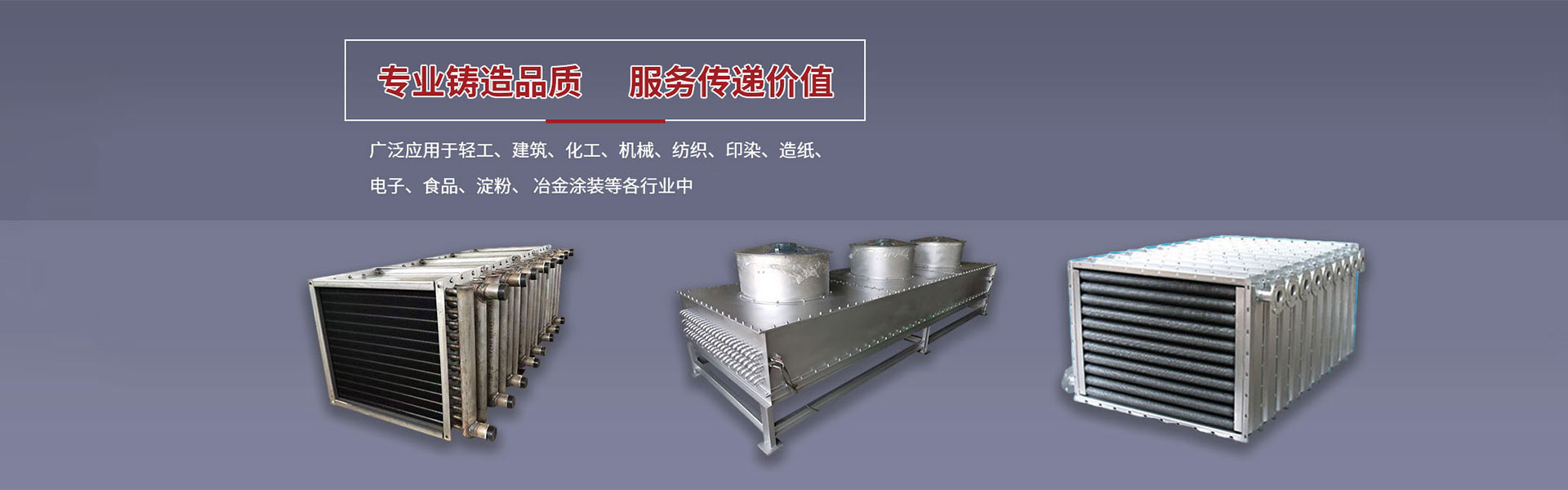
Thermal Oil RadiatorA heat exchanger that utilizes thermal oil to transfer heat. It consists of a thermal oil liquid package, a finned radiator, an outer shell, and a piping system. The thermal oil has a high thermal conductivity coefficient, allowing it to quickly transfer heat to the finned radiator, which then dissipates the heat into the air through air flow. Due to its stability and other characteristics, the thermal oil radiator finds wide applications in industries and construction fields.

Firstly, thermal oil radiators are widely used in industrial production. Many industrial processes require heat dissipation, such as steel mills and power plants. Thermal oil radiators feature stability and can operate stably for extended periods in harsh production environments, ensuring the reliability of the production process. Additionally, thermal oil radiators can also be applied in the field of biomass energy heat recovery, reusing waste gases and heat to improve energy utilization efficiency.
Next, heat-conducting oil radiators are widely used in the construction field. During winter, hot water circulation is required for indoor heating, with the hot water passing through heat-conducting oil radiators to provide warmth, thus regulating the indoor temperature. Heat-conducting oil radiators offer advantages such as energy-saving and reliability, meeting the new energy-saving standards for buildings and reducing the cost of indoor heating.
II. Structure
The thermal oil radiator is primarily composed of the heating section, heat transfer section, and cooling section.
(1) Heating Section: This section serves as the heat source within the radiator, commonly consisting of industrial heaters, solar energy, or electric heaters, etc.
(2) Heat Transfer Section: Oil transfers heat in this section, with the heat exchanger pipes fixed within the oil tank. The oil circulates through a recirculation pump, transferring heat to the cooling section.
(3) Heat Dissipation: By transferring heat from the oil to water or air through a heat exchanger, the temperature of the oil is reduced, thereby serving as a heat dissipation function.
III. Features
(1) Heat Transfer Stability: As oil serves as the medium for heat transfer, its stability is relatively high, resulting in a stable heat transfer effect.

(II) Convenient Maintenance: As the fuel tank is positioned above the radiator during installation, simply remove the cover installed on top of the heat-conducting oil radiator to perform maintenance and repairs.
Thermal Oil Radiators are widely used in industrial, aerospace, and construction sectors, particularly in the food industry, where they play a crucial role in ensuring product quality and production efficiency.
III. Application
Thermal oil radiators, thanks to their excellent heat dissipation and transfer efficiency, are widely used in industrial, construction, and aerospace sectors. In the industrial sector, thermal oil radiators are extensively applied in industries such as steel, chemicals, petrochemicals, textiles, and food processing. In the construction sector, they are utilized in heating systems to provide a warm indoor environment. In the aerospace sector, thermal oil radiators are extensively employed in various space stations and space probes to ensure the normal operation of equipment.
In summary, thermal oil heat exchangers, with their high heat transfer efficiency, stable heat transfer, repair and maintenance capabilities, and wide application scope, have been extensively used in numerous fields, playing a crucial role in heat transfer and thermal management.
