
公司主营:Specialized in the research, development, production, and application of dust suppressants for biotechnology.
0532-87908888


企业资质
How to Effectively Prevent and Control Dust Pollution?
2025-12-18
Increased water sprinkling at construction sites and planting more trees along roads are both effective in preventing dust pollution.
2. Addressing Excess Soil Levels: Soil near the edges of flower beds, green areas, and tree pits can become elevated if it surpasses the level of the pavement, curbs, or pavers, creating excess green soil. This soil is unsuitable for water retention and vegetation growth, leading to mud being washed onto the road during rain, resulting in mud everywhere. On sunny, dry days, it then generates dust. This issue is prevalent in many urban and rural areas across the country and is a major source of local dust pollution. There is no explicit regulation in the garden construction specifications, but the "Urban Appearance Standards" stipulate that green soil should be 10 centimeters lower than the edge. Additionally, Heilongjiang Province has previously undertaken specific efforts to address excess green soil, which have been highly effective in beautifying the city, as well as purifying roads and air.
If the green soil is below the road surface and shoulders, during rain, the water will only wash the dust from the road into the green areas, making the roads cleaner with more rain, and no dust will rise on sunny days. Conversely, the roads will get dirtier with more rain, and dust will definitely rise after the sun comes out. Moreover, properly managing the green soil above the road can greatly help in solving urban waterlogging. In most city construction, green areas are higher than the roads, with rainwater having only one way to drain into the stormwater system after flowing over the roads, and many cities are inevitably flooded. To change urban waterlogging and beautify the environment, there should be a large number of green areas below the road level, wetlands, where rainwater should fill the green areas and wetlands first before being drained into the stormwater pipes, rather than accumulating on the roads and then entering the stormwater system. The ideal situation is for roads and paths to directly connect to low-lying green areas, flower beds, and wetlands.
Utilizing rainwater resources to immediately clean and flush away the accumulated mud and water on roads after rainfall is the most effective way to prevent the recurrence of dust when the road dirt dries. It also avoids creating dust during sunny days and can greatly save on cleaning water, making it an immediate measure that all Chinese towns should adopt.
During the design and construction of hardened roads, strict adherence to reasonable transverse slopes of the road surface and edge drainage design is essential. Utilizing natural rainfall runoff to wash away dust on the road surface can significantly reduce dust pollution, making it an effective and long-lasting measure for dust control.
3. Pay attention to increasing the roughness of the walls: The newly constructed elevated sections primarily feature smooth concrete walls, but the ideal立交 wall should actually be rough to help reduce dust. This is because smooth concrete walls produce strong heat reflections, and the smooth surface cannot hold onto dust particles, resulting in a severe heat island effect on such roads, with dust particles flying around and poor air quality. Conversely, in areas with rough立交 walls, the walls can retain dust particles and facilitate plant climbing, significantly reducing ground-level hot air currents, which greatly helps in reducing dust. Moreover, it also has the effect of reducing noise. Transforming smooth concrete walls with vertical greenery is a good measure, but most importantly, the designers of立交 walls should understand the relationship between wall structure and urban air quality.
4. Be Mindful of Reducing Dust on Urban Roofs: Flat roofs on city buildings often suffer from accumulated dust and even waste. Cleaning the roofs and laying a layer of gravel can significantly improve dust absorption. Additionally, roofs covered with gravel exhibit a notable cooling effect, reducing the temperature on the top floor by over a dozen degrees during summer. This allows top-floor residents to use less air conditioning, thereby saving energy and reducing emissions of warm air. With fewer warm air currents in the environment, it is beneficial for the settling of suspended particles in the air. Laying a gravel layer on roofs is a common practice in cities across Europe, North America, and Japan to reduce roof dust.
5. Be mindful of covering the exposed soil in roadside tree pits: Tree pits along city streets are often left uncovered, as they become sources of dust due to constant traffic. Many developed countries prioritize addressing this issue by employing a simple yet effective method: chop the branches trimmed from urban trees into finger-sized pieces and then place these debris into the tree pits, covering the exposed soil. This layer of debris, with its numerous pores, also adsorbs particulate matter emitted by passing vehicles on the street, thereby reducing dust. Moreover, since the debris is organic, it aids in the survival of soil microorganisms and insects, promotes the formation of soil aggregates, enhances the aeration and permeability of the tree pit soil, and allows street-side trees to grow healthily. Abundant and lush trees greatly benefit the city's air quality. Some may worry that covering with debris could be a fire hazard. However, due to the moisture-retaining ability of the debris layer, the risk of fire is minimal. It's better to conduct pilot street projects in Beijing to observe the feasibility of this method rather than forgo it due to mere concerns. After all, fires can be prevented, but air quality affects the health of the entire city.
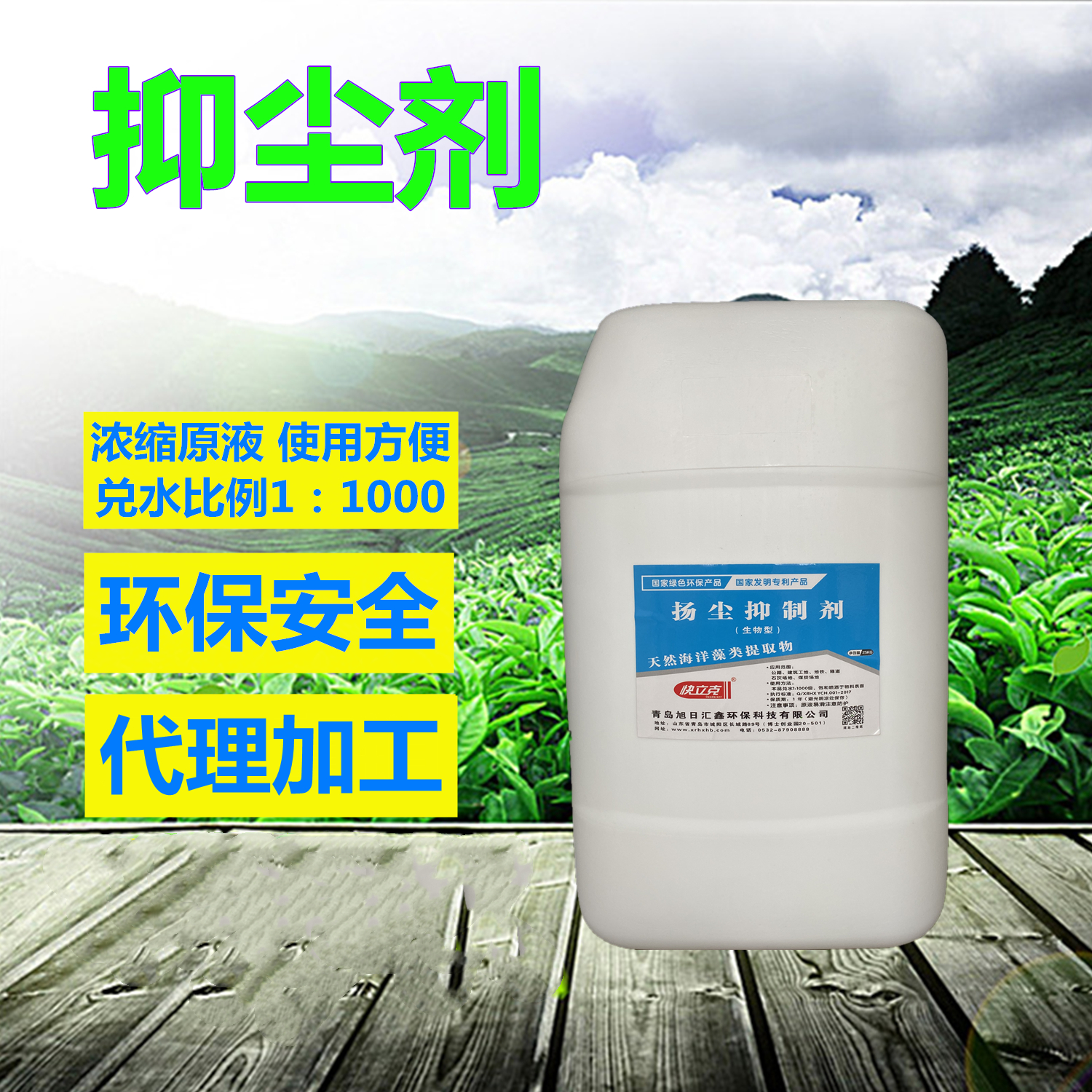
6. To prevent ground hardening on construction sites, it is recommended to use crushed stone for soft coverage: The best way to control dust on construction sites is not to harden the ground but to lay crushed stone on the exposed ground. The porous surface created by the crushed stone is excellent at absorbing dust, allowing water permeation, reducing noise, is easy to recycle, and prevents dust when goods are unloaded. Conversely, if the ground is cemented, the heat island effect on the site will be high, and due to the non-absorbent nature of the hard surface, continuous watering is required, which is a waste of water resources. Moreover, as the hard surface does not allow water to permeate, the water sprinkled on the site or rainwater that falls will carry the site's soil to the surrounding environment, which, when dried, becomes a source of dust. Additionally, on sites with hard ground, the hard impact of construction materials during unloading generates dust and severe noise pollution issues.
7. Beware of Soil Sifting in Urban Greening: In recent years, there has been a widespread practice of soil sifting in urban greening, primarily due to the need for fine soil for laying artificial turf. However, from the perspective of protecting urban environment and soil ecology, this practice is not advisable. After sifting, the natural stones and organic matter in the soil are largely removed, leaving only fine particles. As a result, the newly created green spaces are prone to soil compaction issues, which make the land impermeable and poor in aggregate structure, leading to waterlogging during rain and drought during dry periods. The compacted soil has poor aeration, making it difficult for microorganisms and insects to survive, resulting in desertification. Plants and shrubs grow poorly on such soil, and tree roots can rot due to lack of air, causing trees to fall over. Therefore, green spaces established through soil sifting often require reconstruction, turning them into sources of dust in urban areas. In fact, by following natural laws, urban green spaces can be built simply, inexpensively, effectively, and sustainably. The main method is to utilize existing urban land resources, plant trees and shrubs on rocky land, and spread native, natural, and mixed grass seeds on land with fewer stones to create artificial natural vegetation areas. These areas are easy to manage after greening, providing leisure spaces for people. The natural grasslands formed are drought-resistant, foot-resistant, require no maintenance, and change colors with the seasons, offering a much greater aesthetic and亲切 appeal than artificial foreign turf. Moreover, the construction process is simple and does not generate any dust issues.
8. Utilize the Community Residents' Self-Help Greening Power to Reduce Dust in the City: Large areas of bare land without vegetation are still普遍 in urban community neighborhoods, with exposed soil visible at a glance. These areas serve as dust sources for the community and exacerbate the heat island effect. Implementing a resident-led greening initiative in communities is an effective way to transform裸露land into green spaces filled with plants. After several community trials in Beijing over the past two years, the initiative has received active participation from residents, and the green spaces they have created have significantly reduced dust and cooled down the community environment. Residents also report that with self-help greening, the civil content of their leisure time has improved, and so has the fun, as they have learned the importance of improving their own community's small environment to benefit the larger Beijing environment. This is truly a win-win situation. The results of these pilot programs indicate that promoting self-help greening in Beijing's residential communities is a cost-effective, quick-acting, sustainable endeavor that enjoys widespread public participation and can be expanded to all neighborhoods in the city. As thousands of community neighborhoods become lush green spaces, the city's air quality is sure to improve significantly.
王经理 (Ms.)
0532-87908888
13808969190
471463822@qq.com
No. 716, Yanli Industrial Park, Xifu Town, Chengyang District, Qingdao City, Shandong Province
www.114global.com © Zhongshang 114 Hebei Network Technology Co., Ltd.Address: Room 6009, Oriental New World Center, No.118 East Zhongshan Road, Qiaoxi District, Shijiazhuang City, Hebei ProvincePlatform Service Hotline: 4006299930
