
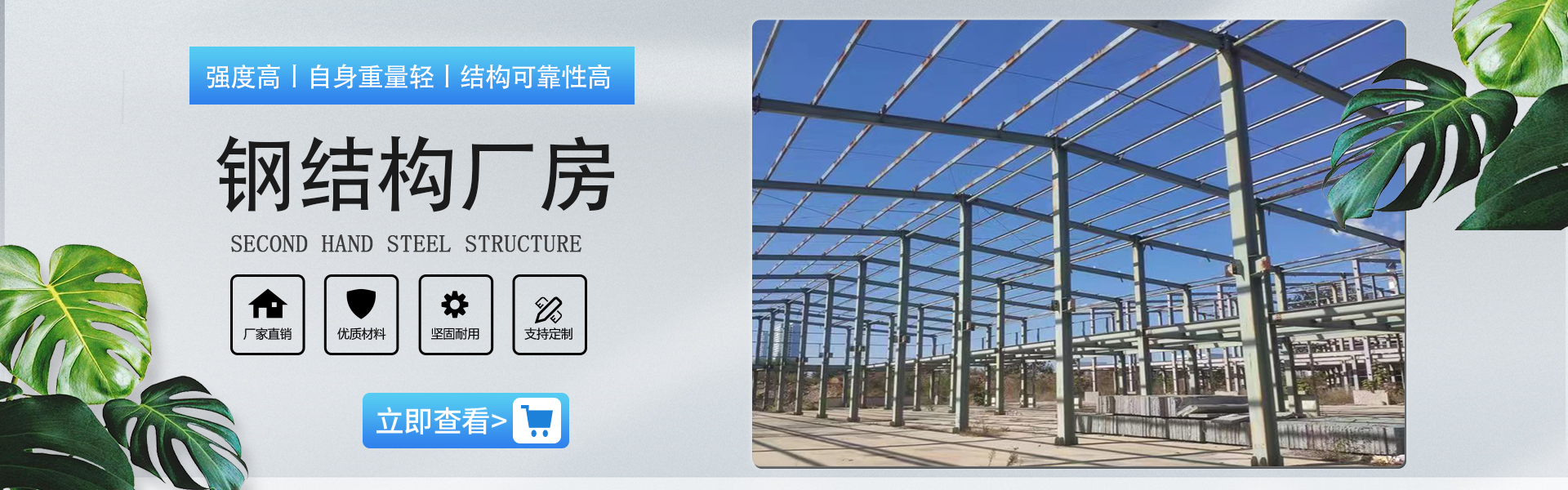
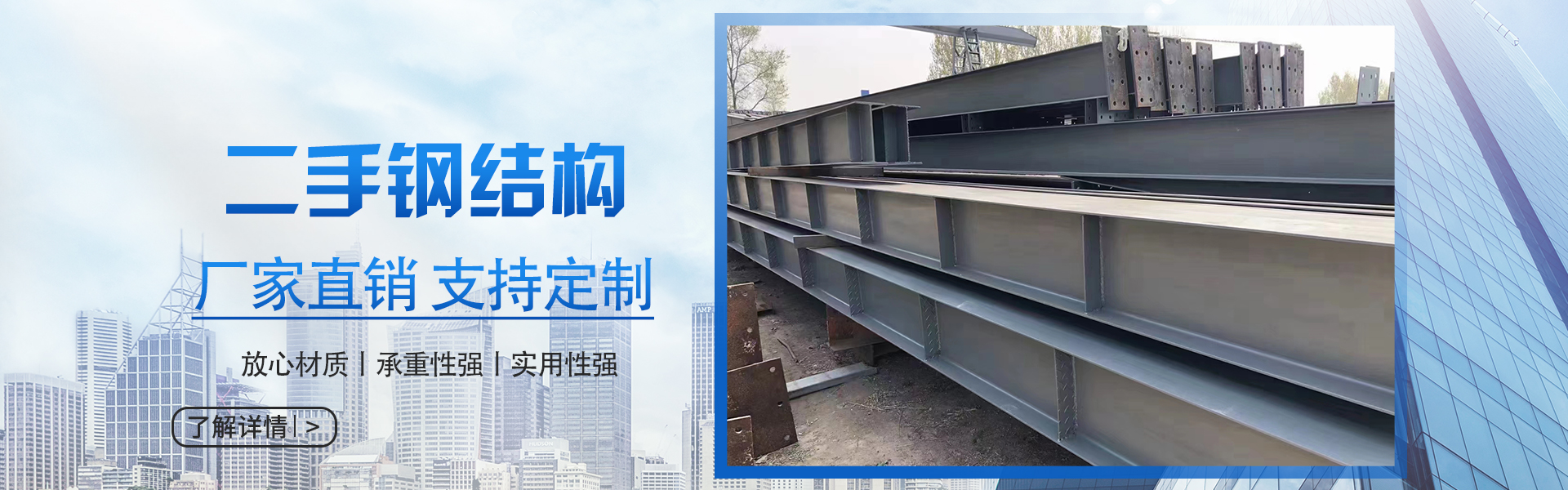
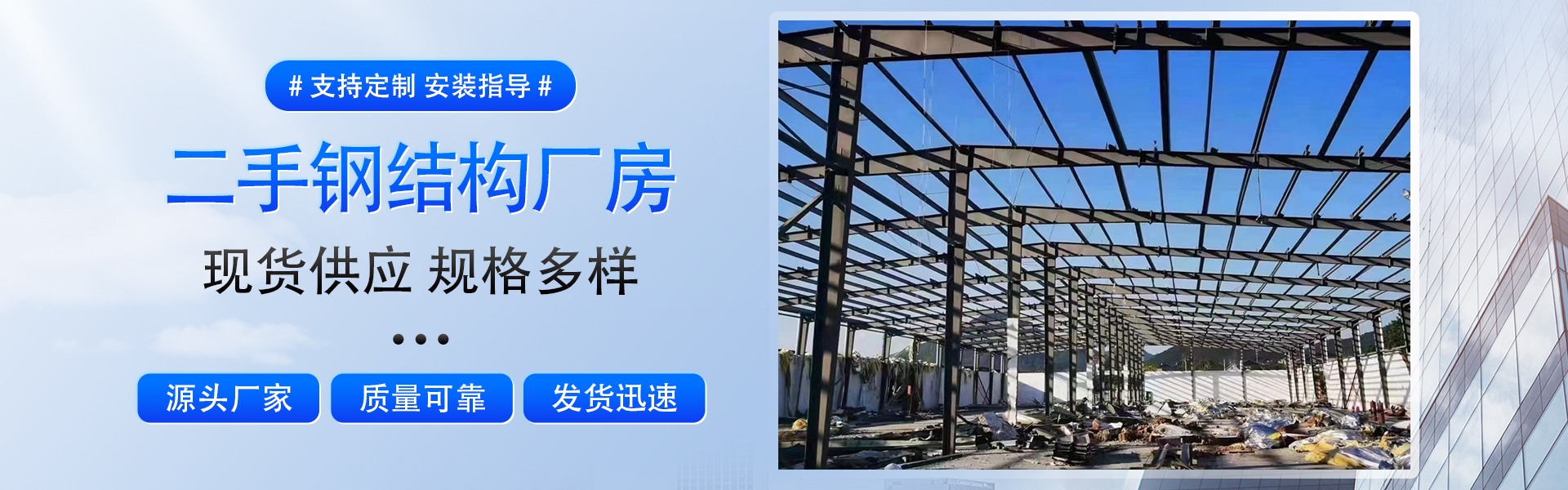

The rise of second-hand steel structure buildings is a major development direction for low-carbon and environmentally friendly construction in our country, showing a significant improvement in the environmental pollution caused by construction projects. During transportation, protective measures are generally required for the components of second-hand steel structure factory buildings to ensure they are not damaged by external forces.
First, prepare for transportation, and after fully considering the conditions such as the strength of second-hand steel structural components, develop a reasonable transportation plan. Next, determine the transportation conditions to ensure efficient transportation.
Transportation plans must be formulated based on the specific shape of the components, considering the loading capacity of the transportation vehicles and their equipment. Develop practical schemes that can be implemented, arrange and fabricate suitable transport racks, and prevent friction damage caused by mutual collision of second-hand steel structural components during transportation.
Selecting appropriate transportation and lifting equipment, calculate the number of transport vehicles required based on the geometric shape and weight of the second-hand steel structures, and determine the necessary crane equipment to prevent cracks during transportation. If the crack resistance of the components is insufficient, reinforcement must be carried out prior to transportation.
Inspect the quality of the weld joints on second-hand steel structural components, ensuring the dimensions, appearance, and design of the connection points are reasonable. If any exceed the specified tolerance range, appropriate measures must be taken to prevent damage during transportation.
