



- AllProduct Category
-
Condensate Recovery Unit
Diverting Valve
Thermal Deaerator
Coiled Tube Heat Exchangers
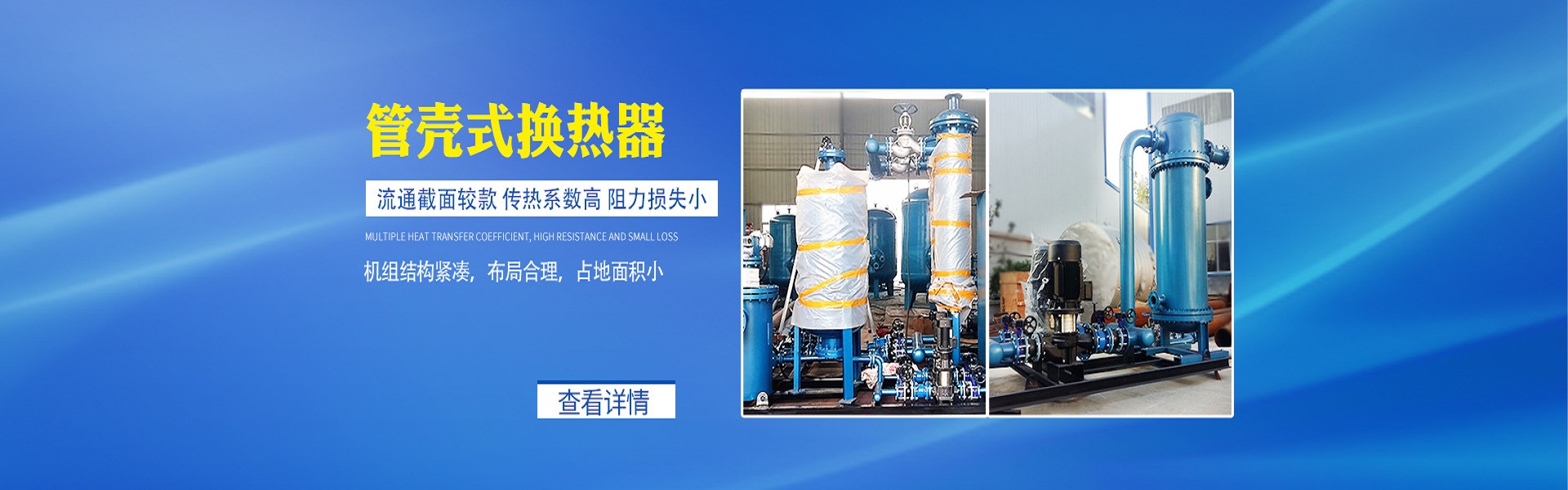
Floating Tube Bundle Volume Heat Exchanger
Floating Tube Heat Exchanger
Divided Cylinder
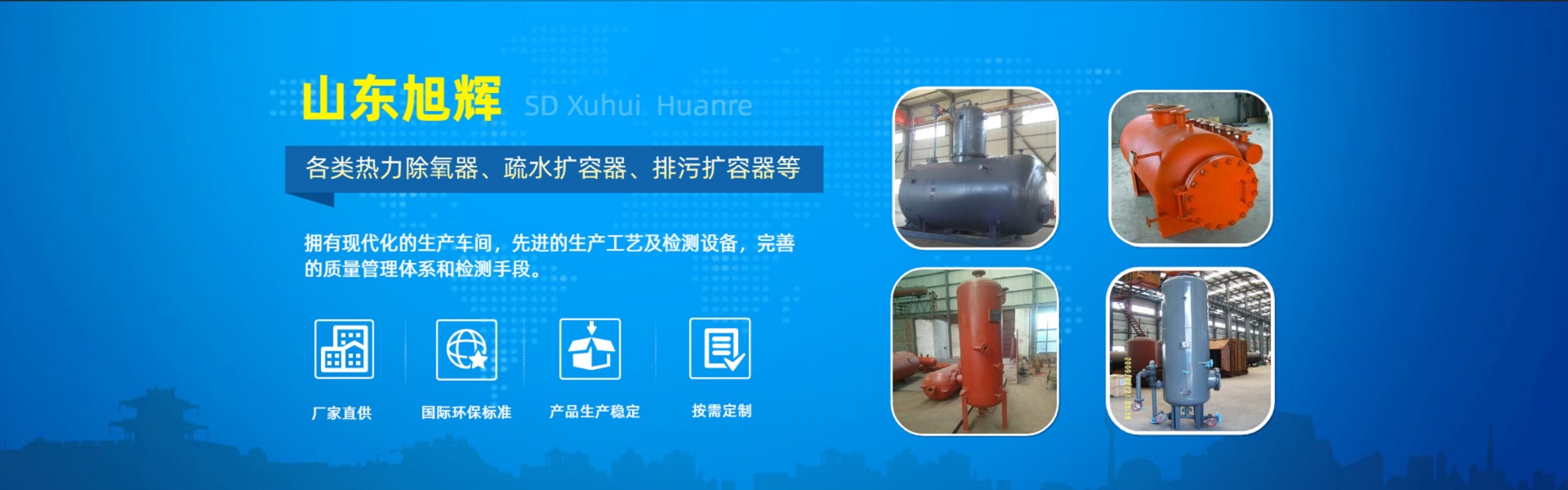
Routine Sewage Blower Expander
Hydrophobic Expander
Volumetric Heat Exchanger Unit
Plate-type Heat Exchanger Unit
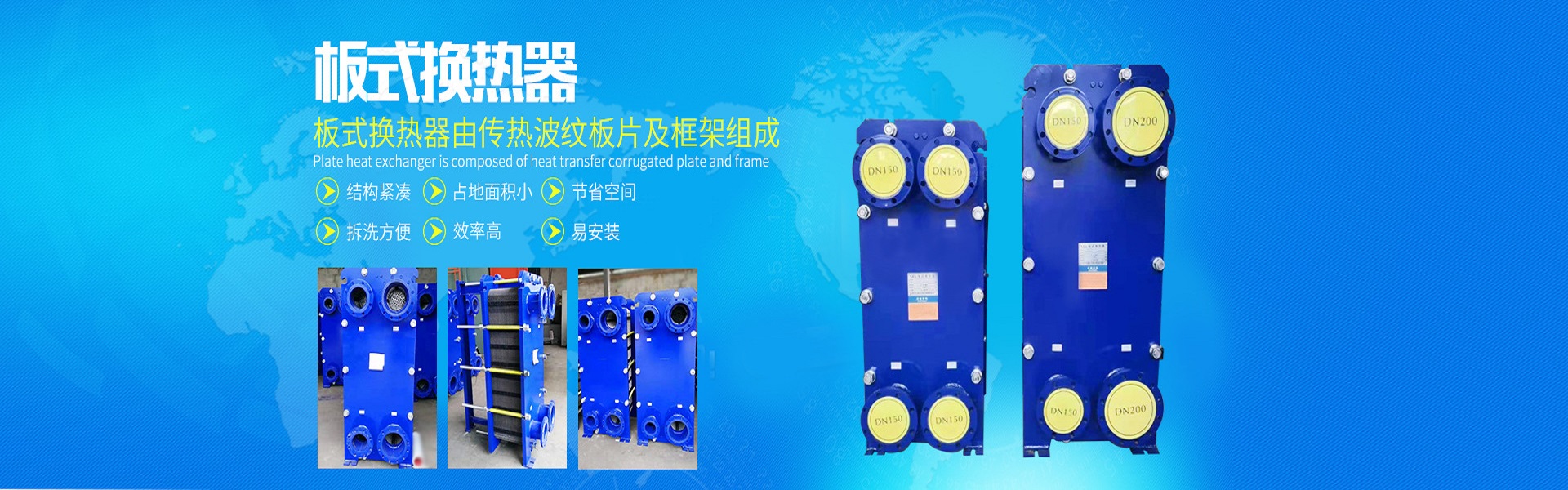
Plate Heat Exchanger





详情描述
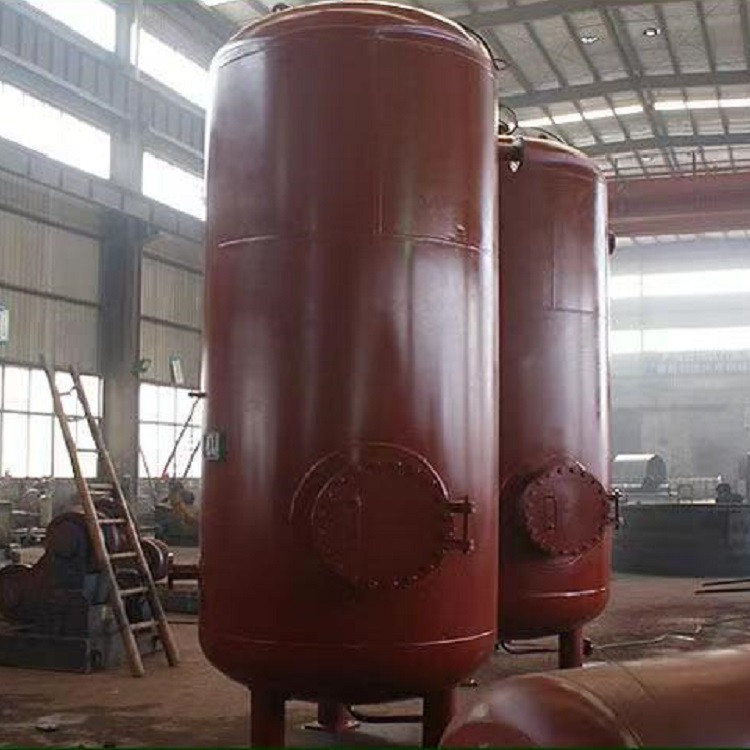
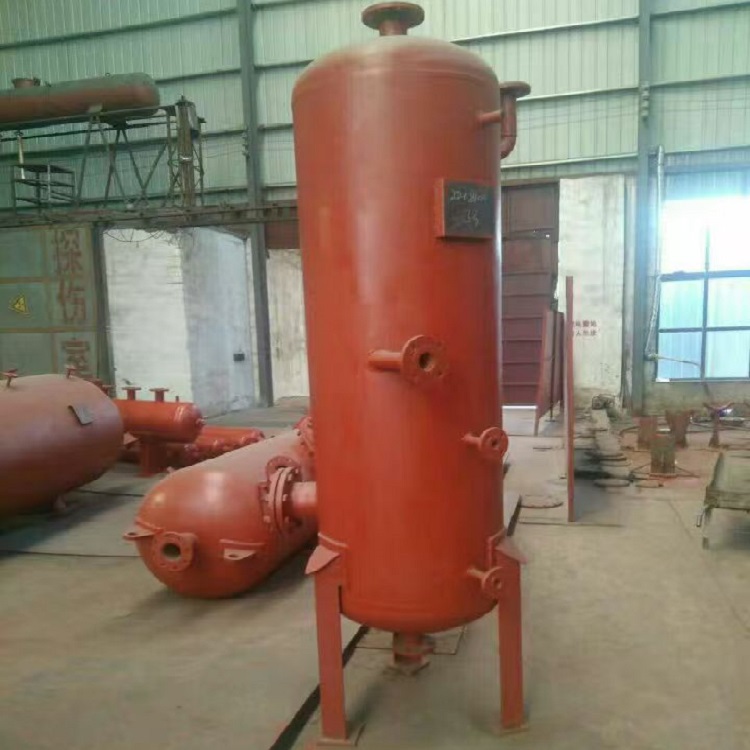
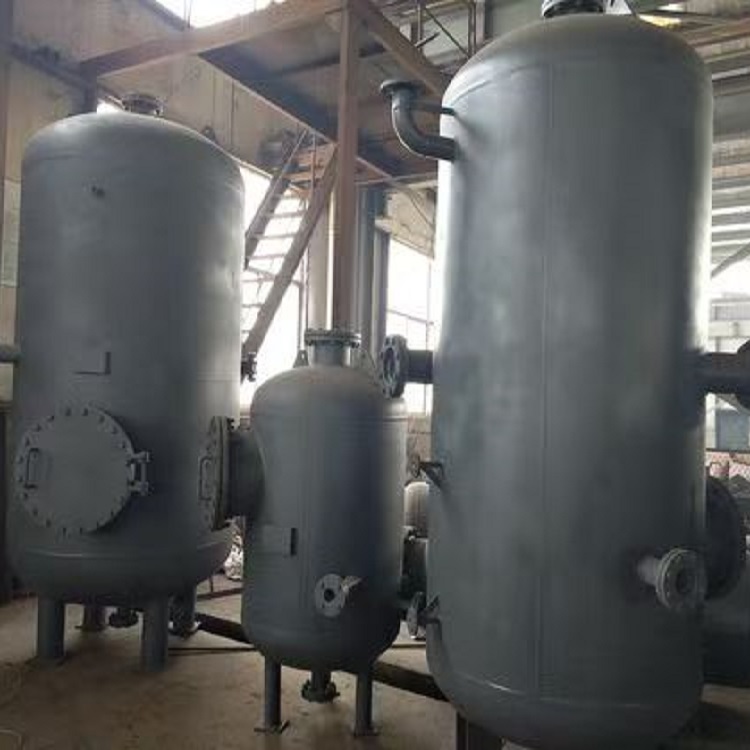
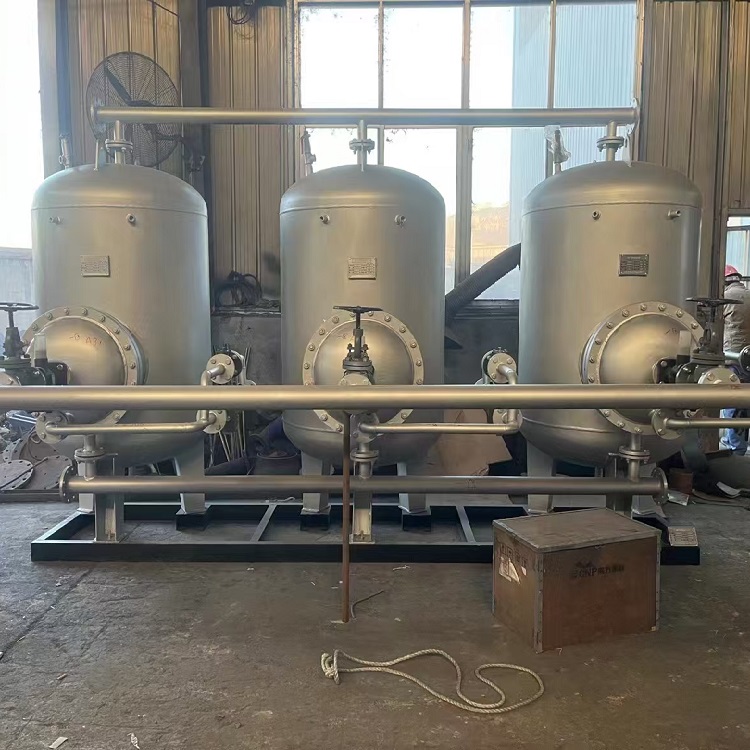
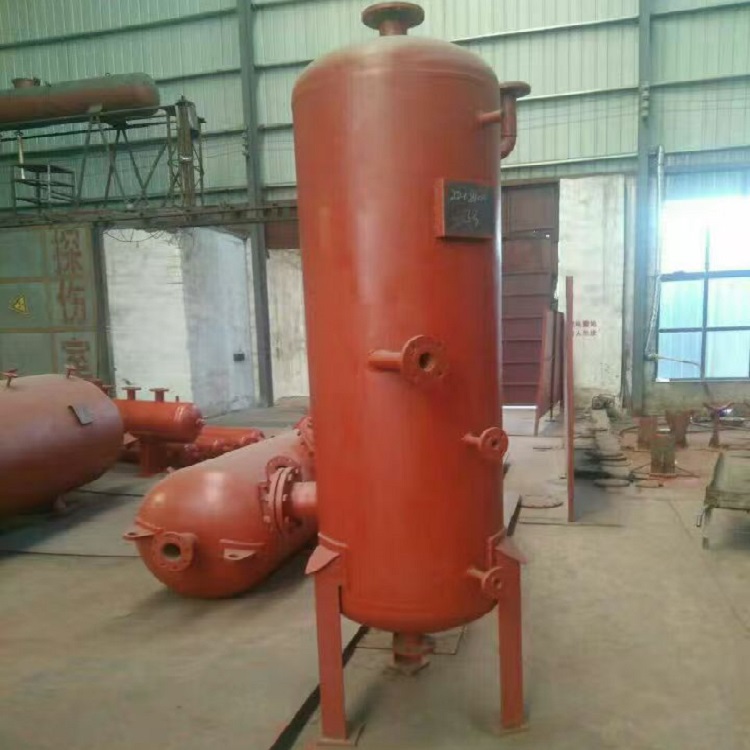
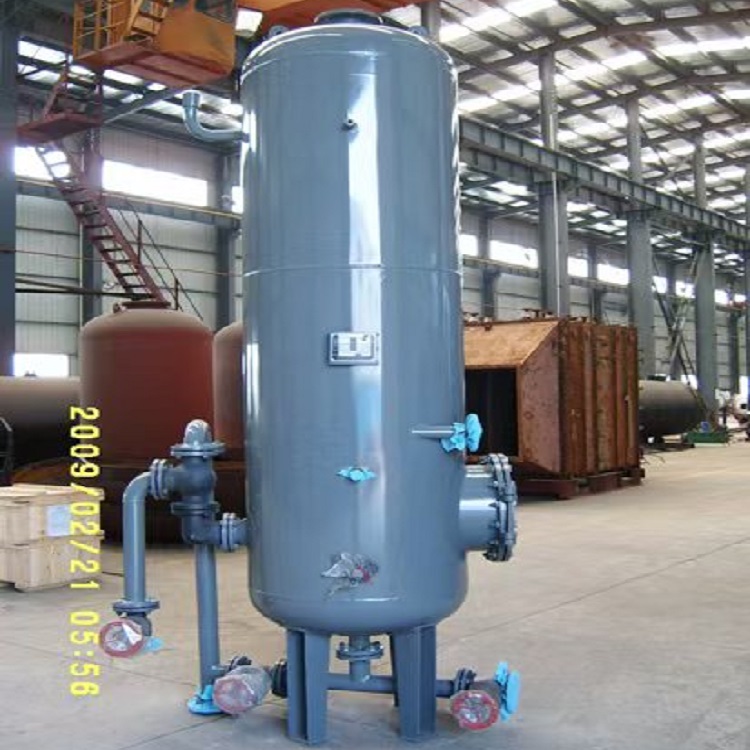
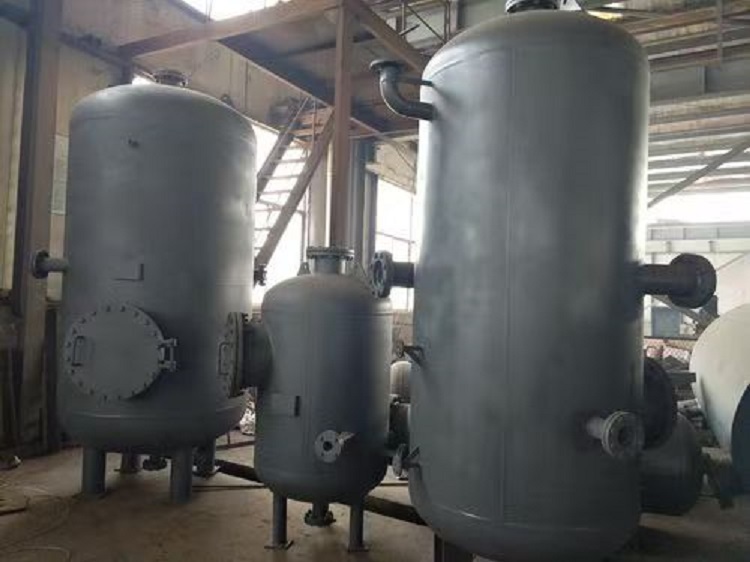
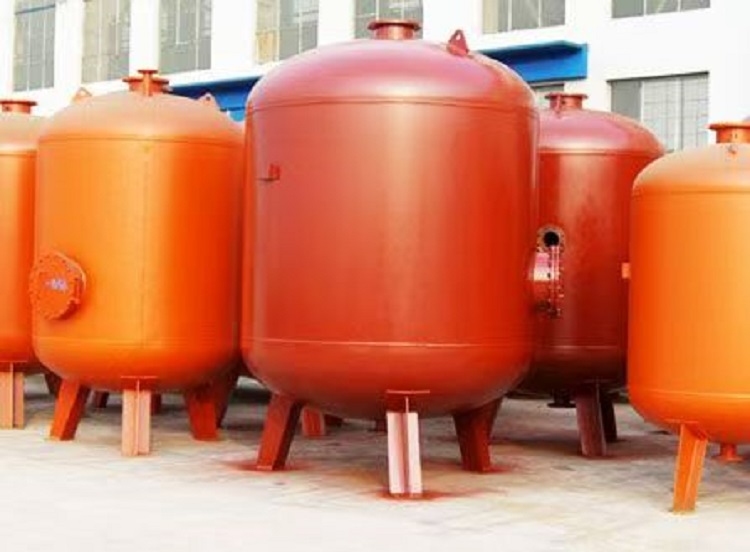
Regular drainage expansion tankIt is a key equipment in the boiler system, primarily used for treating regular waste water, achieving heat recovery, and分流ing waste water. The following are its core points:
I. Definition and Function
Definition: A pressure vessel that separates boiler blowdown into secondary steam and waste hot water through pressure reduction and expansion, classified as an energy-saving and environmentally friendly equipment.
Core Features: Reduces effluent pressure, utilizes flash vaporization evaporation principle to separate secondary steam (reusable) and waste hot water (requires cooling treatment before discharge).
II. Process Workflow
Input Stage: The boiler effluent passes through a throttle valve to reduce pressure and then tangentially enters the expander vessel, forming a swirling flow.
Separation Stage: The wastewater undergoes adiabatic expansion within the container, with part of it evaporating into secondary steam. After being purified through the top louvered steam-water separator, it is discharged.
Emission Stage: The remaining waste hot water is discharged after being treated by the water level regulating valve or the waste water drainage and cooling pond.
Section 3: Design and Application Key Points
Heat Recovery: The secondary steam can be introduced into a deaerator or other thermal system, and the waste hot water's residual heat can preheat softened water.
Emission Control: Regular effluent treatment primarily targets sediment at the bottom of boilers, with an emission rate of approximately equal to the boiler's evaporation volume.0.1%-0.5%。
Safety Design: Must be equipped with safety valves, operating platforms, and steel support structures to ensure safe operation of pressure vessels.
IV. Distinction from Continuous Discharge Expansion Vessels
Purpose Difference: Regular effluent focuses on removing bottom sediments, while continuous effluent is used to control the salt content in the boiler water._
Discharge Frequency: Periodic discharge with intermittent operation as needed; continuous discharge requires stable control of discharge rate (approx.)1%)。
Through this design, the regular sewage expansion tank reduces boiler heat loss and improves system efficiency while ensuring the long-term safe operation of the boiler.。
询价单


