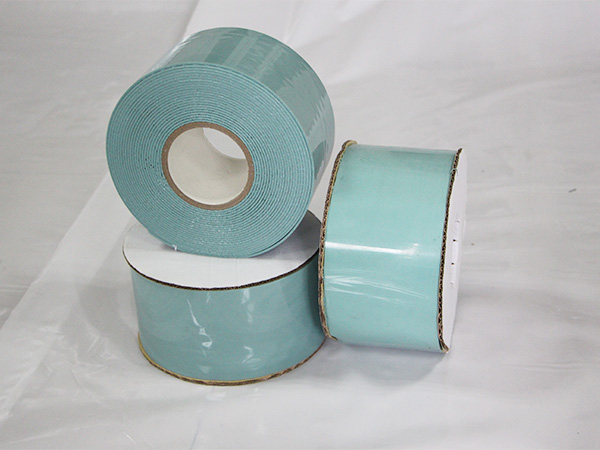
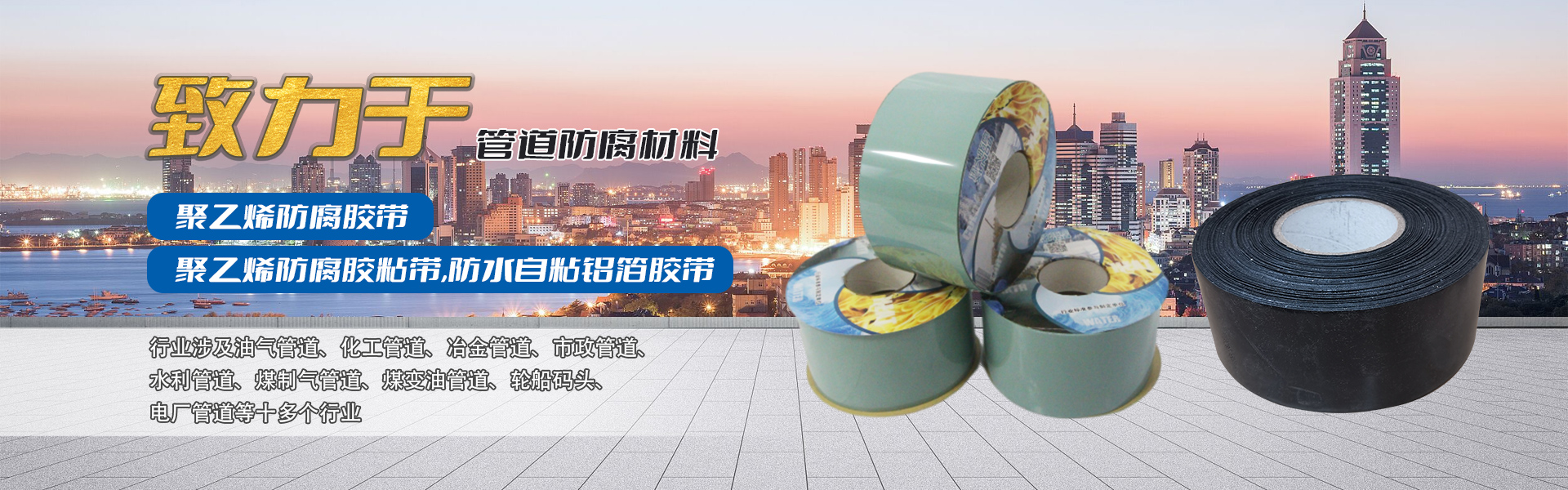
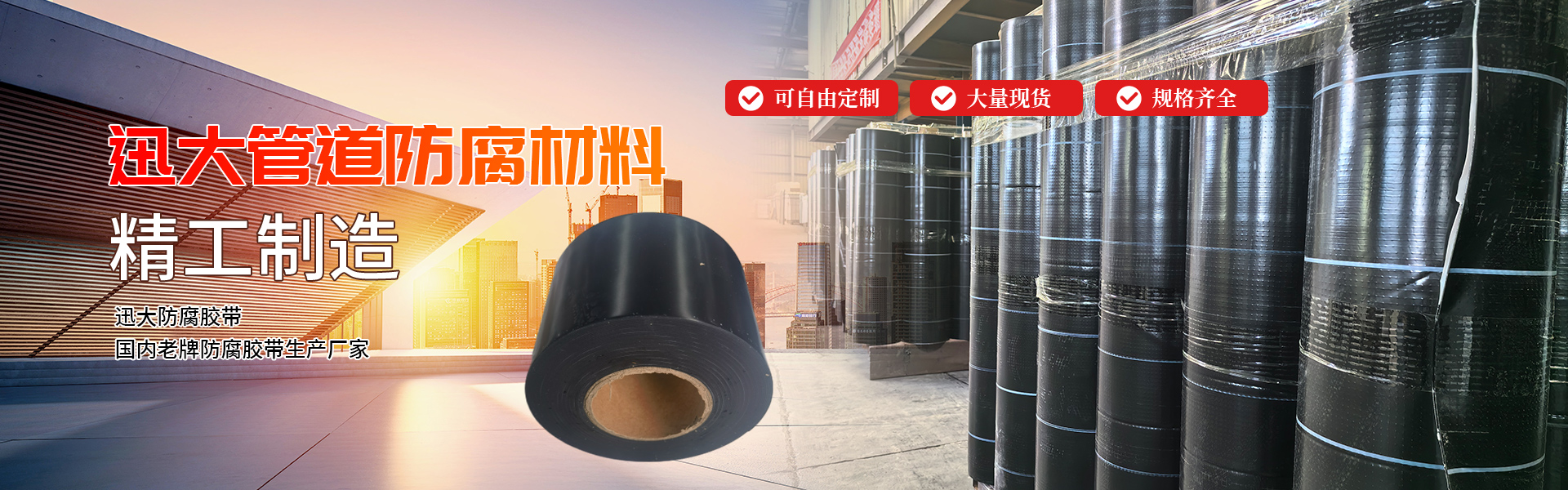
Elastomeric anti-corrosion tape is a protective material primarily used in anti-corrosion engineering for pipelines, tanks, and other facilities. Composed of a tape base and adhesive layer, it boasts excellent anti-corrosion and weather-resistant properties, effectively extending the lifespan of facilities and reducing maintenance costs.
The base material of viscoelastic anti-corrosion tape is typically made of high molecular materials such as polyethylene and polypropylene, which possess flexibility and tensile strength. This allows them to fit the pipeline surface perfectly, creating a sealed protective layer. The adhesive layer is composed of specialized adhesives and corrosion inhibitors, which adhere firmly to the base material, maintaining long-lasting anti-corrosion effects.

The application methods for viscoelastic anti-corrosion tape generally consist of manual application and mechanical coating. Manual application is suitable for small-scale projects, offering simplicity and flexibility. Mechanical coating is ideal for large-scale projects, providing high efficiency and stable processes. Regardless of the chosen application method, it is crucial to ensure the tape adheres securely, free of bubbles and wrinkles, to guarantee its effective anti-corrosion performance.
The viscoelastic corrosion-resistant tape boasts excellent chemical resistance, capable of withstanding corrosion from acidic, alkaline, and saline environments, thereby protecting facilities from damage. Additionally, it possesses certain waterproof properties, effectively preventing moisture from seeping into pipelines, storage tanks, and other equipment, reducing the occurrence of corrosion.
In summary, viscoelastic anti-corrosion tape is a high-performance, user-friendly protective material for anti-corrosion projects on various pipelines, storage tanks, and other facilities. In the future, with technological advancements and continuously increasing market demands, viscoelastic anti-corrosion tape will continue to evolve and improve, providing better protection for the long-term stable operation of these facilities.