

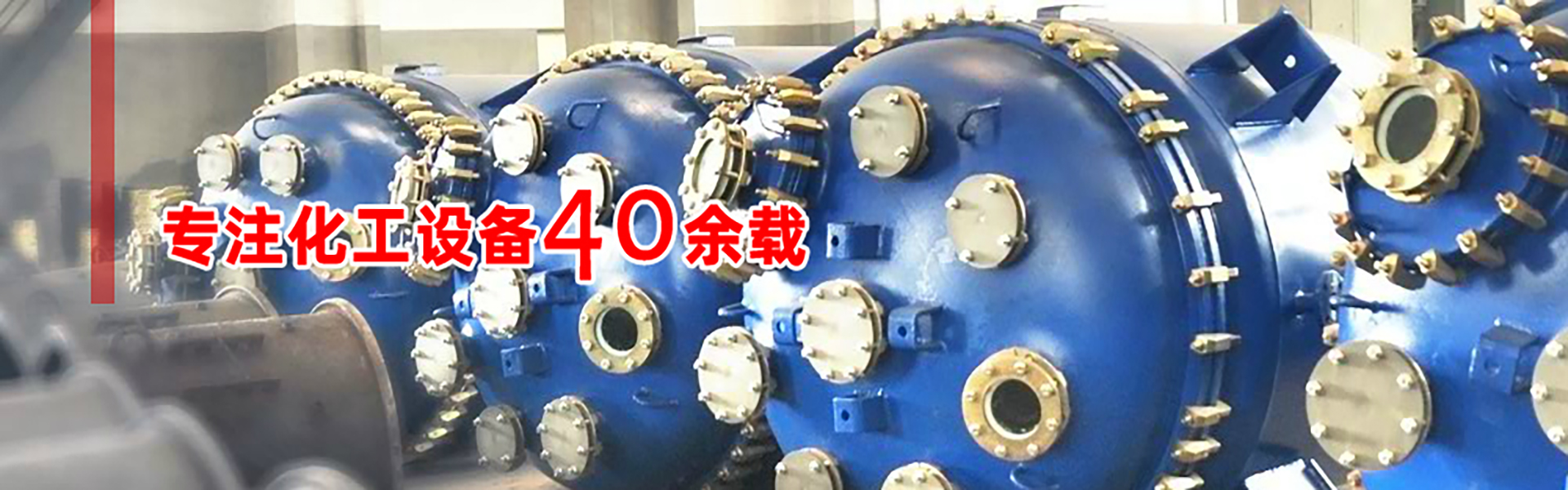
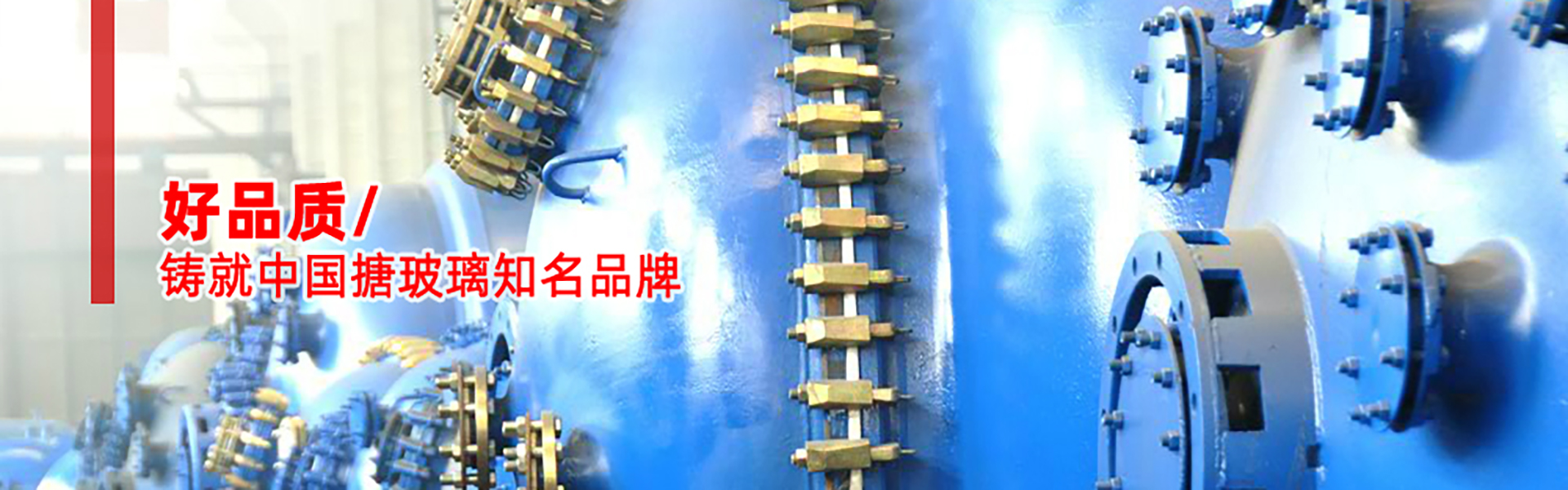

To ensure a longer lifespan for glass-lined equipment and reactors, in addition to taking appropriate protective measures during installation and use, strengthening the maintenance of glass-lined equipment plays a crucial role. During the maintenance process, the following aspects should be noted:
1.1 After each reaction, a thorough inspection must be conducted with a light (and if possible, an internal inspection of key equipment), for any cracks, porcelain bursts, or other damages. Immediate repairs are required before use.
1.2 Regular cleaning is required.
(1) Vessel Shell: The metallic surface of the glass lining on the exterior of the can prevents corrosion due to acid mists and liquids, to avoid a reaction between the metal and acid that could produce hydrogen, leading to "scale explosion" of the ceramic layer. In case of any acid leakage, immediate cleaning and sealing should be conducted. Protective paint should be applied regularly.
(S2) Suction Sleeve: During operation, there may be a decrease in the heat conduction performance of the equipment or the occurrence of ceramic scaling. The possible cause is that, during use, acidic impurities may fall into the circulating water, generating atomic hydrogen that can penetrate the steel interior and create pressure at the contact point between the enamel layer and the steel surface, leading to fishscale-like peeling of the enamel or, in some cases, the formation of a scale layer on the steel surface, severely deteriorating the equipment's heat conduction properties. Therefore, whether the medium used for heating or cooling within the sleeve should be neutral. To avoid corrosion, the sleeve should be cleaned regularly. If descaling agents are used, the process should be completed as quickly as possible, followed by repeated rinsing of the sleeve with water to ensure the residual fluid is neutral.
(3) Inside the罐:Regular cleaning is recommended based on the specific reaction conditions. Avoid using strong acid solutions, especially those with a pH less than 3. Instead, use a 1.5-2% solution. If there are solid substances adhering to the罐, do not use metal or hard rods to scrape them off.
1.3 Storage of Glass Lined Equipment: Any glass lined equipment that is not in use or temporarily unused should be properly protected and stored to prevent磕碰 (dings) and rain damage. Ensure that the jacket and thermometer sleeve do not allow water entry, as freezing water in winter can crack the porcelain layer.
1.4 Routine Maintenance and Upkeep
(1) Companies using glass-lined pressure vessels must conduct daily maintenance and care for the pressure vessels, their safety accessories, protective devices, measuring and regulating equipment, and auxiliary instruments. Any abnormal conditions found should be addressed promptly and documented. A regular inspection system for safety accessories should be established, and the periodic inspection of safety accessories should be carried out in accordance with the provisions of the "Regular Inspection Rules for Pressure Vessels" and related safety technical specifications.
Regularly inspect the transmission components and flange sealing conditions for normalcy, and replace the transmission units and lubricating fluids in the mechanical sealing chambers on a schedule to ensure proper lubrication of all operating parts. Promptly replace worn-out flange gaskets.
1.5隐患处置: Companies utilizing glass-lined pressure vessels must promptly inspect and address any malfunctions or abnormal conditions in these vessels to eliminate potential accidents. For pressure vessels with severe safety hazards and no value for modification or repair, they should be promptly decommissioned and the de-registration procedures completed.
1. 6-yearly inspection
(1) Users of glass-lined pressure vessels should conduct annual inspections of the pressure vessels, which should at least include checks on the safety management of pressure vessels, inspections of the vessels themselves and their operational conditions, and checks of the safety accessories of pressure vessels. Conduct a 3 to 5KV DC high-voltage test on the glass-lined porcelain surface inside the tank once.
(2) Annual inspection duties can be carried out by professionals from the pressure vessel user unit, or entrusted to a qualified special equipment inspection institution.
1.7 Regular Inspection
Units utilizing glass-lined pressure vessels should submit periodic inspection requests to the special equipment inspection agency one month prior to the expiration of the periodic inspection validity period. Upon receiving the periodic inspection request, the inspection agency shall conduct the inspection promptly. The periodic inspection procedures, personnel, and cycle should be carried out in accordance with the TSGR0004-2009 "Safety Supervision Regulations for Fixed Pressure Vessels."
1.8 Procurement, Discontinuation, Transfer, and Relocation of Glass-Lined Pressure Vessels
(1) Users of glass-lined pressure vessels must not purchase scrapped glass-lined pressure vessels. The discontinuation, transfer, or relocation of equipment should be strictly handled in accordance with the relevant regulations for inspection and usage registration.
After being out of use for 2 years or after being transferred from an external unit or within the same unit, glazed pressure vessels must undergo inspection in accordance with the relevant regulations for periodic inspections before use, and a pressure test must be conducted.
