

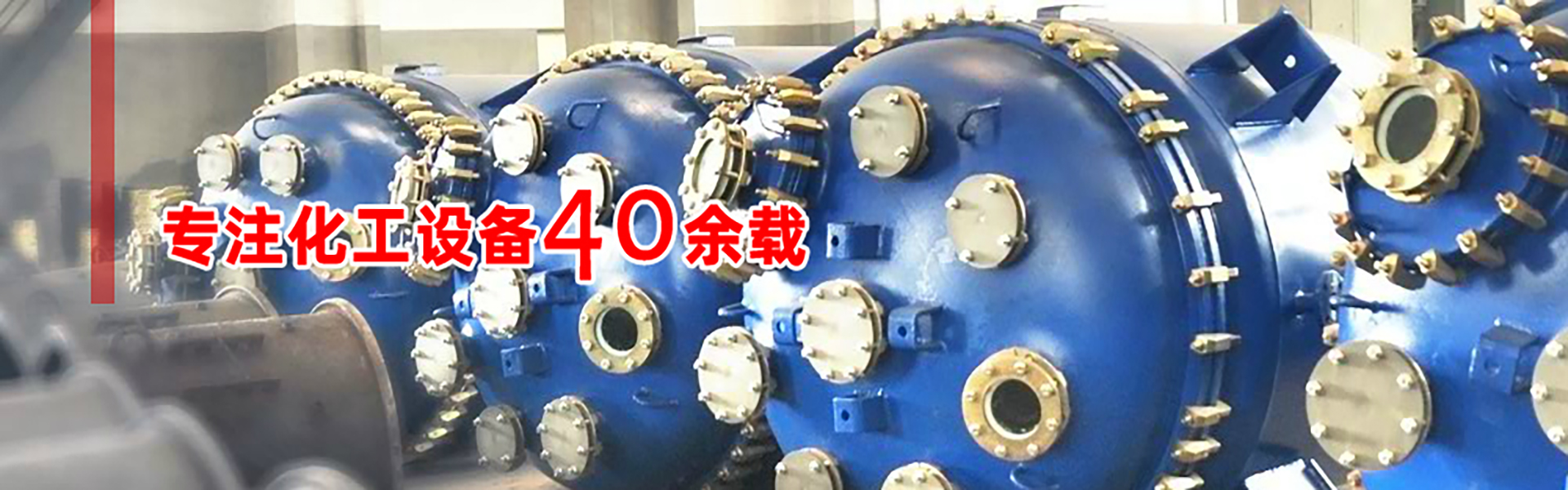
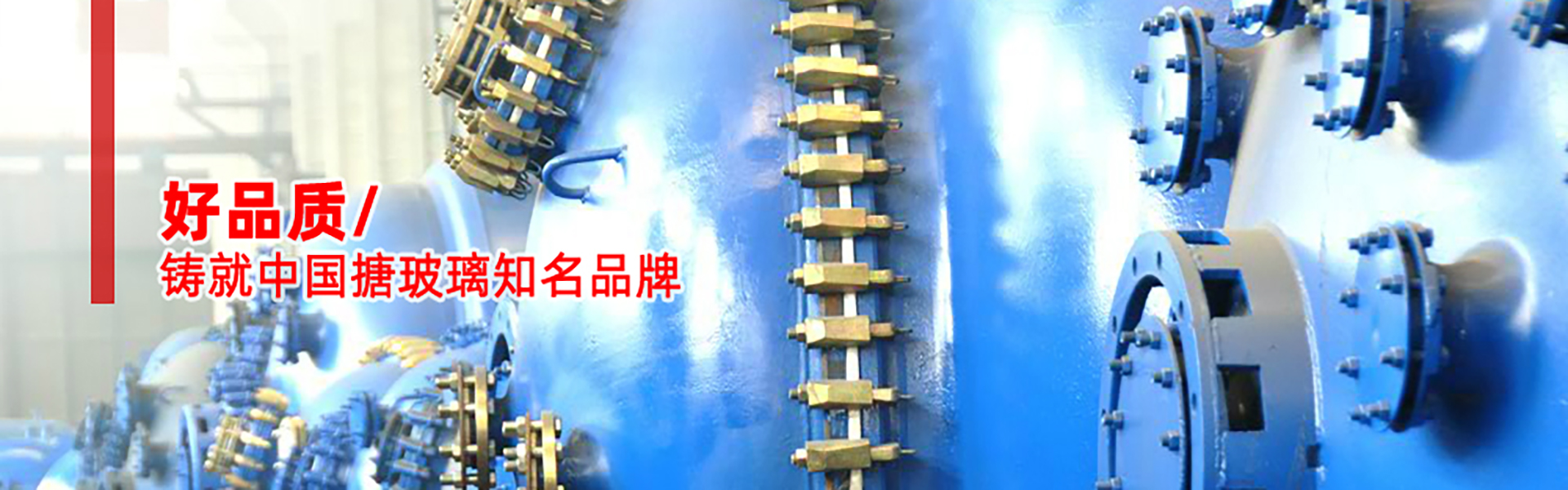

Hello to all users of Jiangsu Yangyang Enamel Equipment, in the actual use of enamel reactors and other industrial ceramic equipment, due to process requirements, it is necessary to monitor the material density inside the enamel reactors. However, the medium inside the reactor is corrosive and enamel reactors are generally pressure vessels with a certain pressure, which cannot be tested with open vessels. This poses a significant challenge for many enamel equipment users. Below are some explanations on the methods for measuring the density of the internal material in enamel reactors, hoping they will be helpful to you:
If users of glass-lined reactors require material density testing, they should specify the need for a density meter when purchasing the glass-lined reactor. This way, we will pre-allocate an installation interface for the density meter on the reactor's lid or provide two interfaces on the side of the cylinder, typically in the form of a flat welding flange connection.
2. The hydrometer used for the enamelled reactor should be designed in a style similar to the enamel glass temperature sleeve tube and directly inserted into the material inside the reactor or directly mounted with a flange-type hydrometer on the side of the cylinder.
3. Density Meter Selection: Material characteristics, including pH, temperature, viscosity, etc., necessitate the selection of a density meter based on actual operating conditions.
4. Enamel Reactor Density Meter Display: Installed at the top or side of the density meter, equipped with sensors linked to the bottom probe. Optional on-site digital display; for DCS display, choose a meter with a 4-20mA signal output.
