

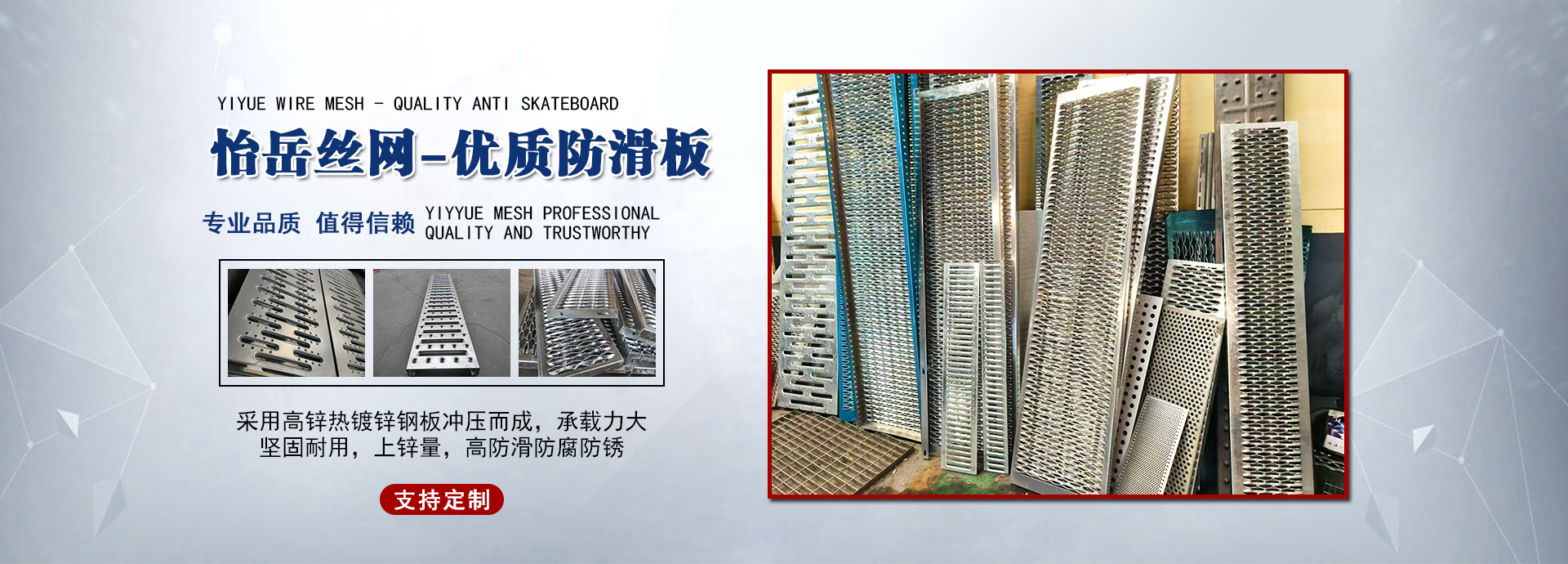
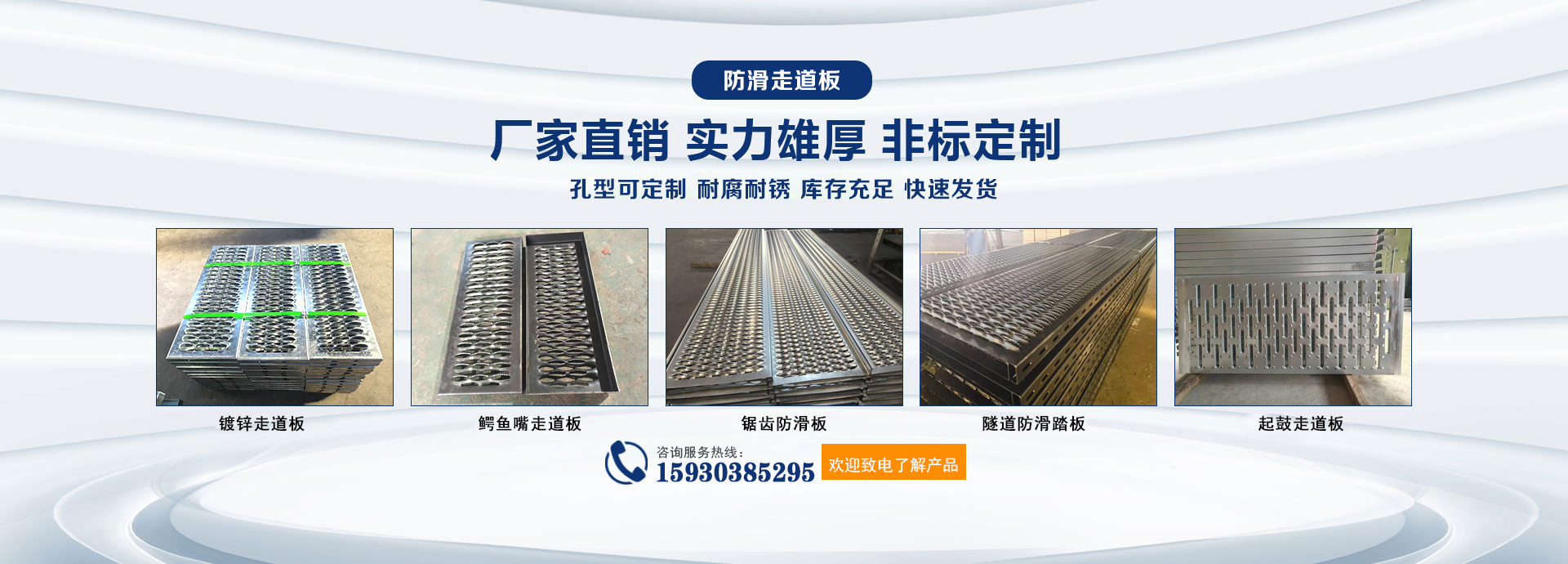
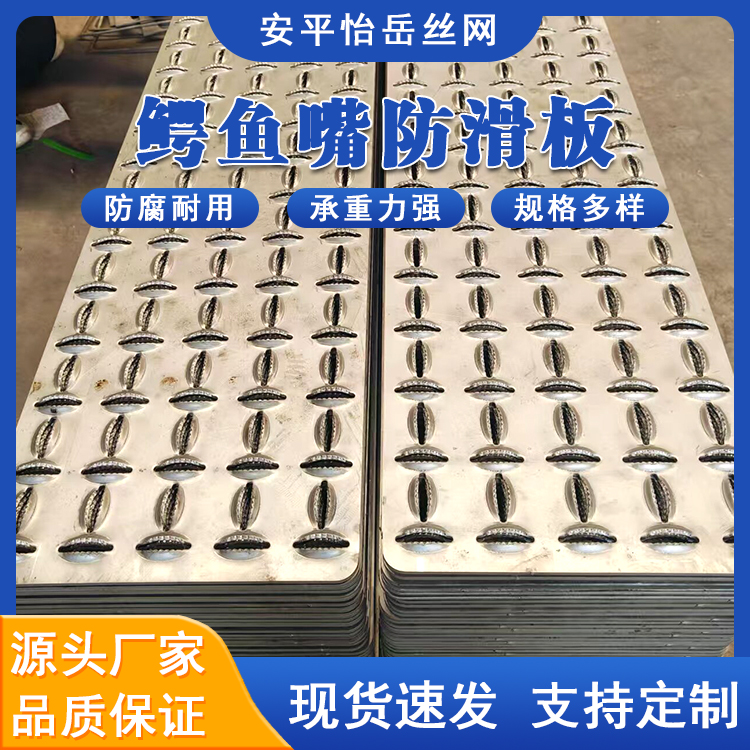
Anti-slip plates have a high friction coefficient, effectively preventing personnel from slipping and thus protecting them from the pain of falls. They come in various types such as ordinary iron plates, stainless steel plates, aluminum plates, aluminum alloy plates, and rubber-metal composite plates. They are suitable for outdoor use in industries like wastewater treatment, tap water supply, power plants, and other industrial sectors. They are also used for anti-slip on stair treads, mechanical anti-slip, indoor decoration, docks, fishing platforms, workshops, car bottoms, concrete floors, hotel entrances, and more.
First and foremost, we must pay attention to the selection of production materials for anti-slip boards. Since these products are generally made of plastic and rubber, many low-cost boards are actually of poor quality and emit unpleasant odors.
Next, when selecting anti-slip plates, we can observe how the anti-slip patterns are designed. Currently, there are many different anti-slip pattern designs, such as dot patterns, line patterns, or other patterns, etc. Their anti-slip performance varies, so you can choose the one you prefer based on your needs.
When selecting non-slip boards, it's also important to pay attention to the overall size of the panels. This is because non-slip boards are assembled using standardized sizes. The benefit of larger panels is that they have fewer seams, making assembly easier and faster. Smaller panels, on the other hand, offer the advantage of being able to handle various complex terrains.
When selecting anti-slip boards, we also need to pay attention to their dirt resistance and cleaning considerations. Some materials are purely disposable, prone to staining, and nearly impossible to clean. We should avoid such materials and opt for anti-slip boards that can be cleaned multiple times.