

Definition and Material Characteristics
Glass fiber reinforced plastic, commonly known as FRP, is a composite material with synthetic resin as the matrix and glass fibers and their products as the reinforcing materials. It combines the malleability of the resin with the high strength characteristics of the glass fibers, offering numerous excellent properties.
Lightweight and high-strengthIts density is typically only about a quarter of steel, yet it boasts higher strength, making it easy to transport, install, and suitable for use in locations that require bearing capacity, such as on building roofs, without imposing excessive load on the structure.
Excellent corrosion resistanceOur sculptures are highly resistant to the erosion of various chemicals, making them ideal for placement in harsh environments such as chemical industrial parks and seaside areas. They can maintain their integrity well in outdoor settings, even in the face of acid rain and atmospheric pollutants.
Highly malleableThrough various mold-making techniques, we can create a wide array of intricate shapes, from lifelike human figures and delicate animal designs to highly creative abstract geometric forms. This capability fully meets the artistic imagination and diverse design requirements of our clients.
Cost relatively lowCompared to traditional sculpture materials like bronze and marble, fiberglass offers significantly lower material and production costs overall. This makes it highly cost-effective for a wide range of applications, particularly for large-scale, mass-produced sculptures.
Manufacturing Process
Design ConceptLike with other sculpture creations, the first step is for the sculptor to thoroughly communicate with the client to determine the key elements such as the theme, style, dimensions, and placement of the sculpture. Then, creative concepts are developed, either through sketching design drafts or using 3D modeling software to create digital models, allowing the client to visually understand the sculpture's effect and confirm the design plan.
Create Clay Molds (Optional):
If the sculpture design is complex or requires precise detail representation, the sculptor will first select an appropriate clay (such as earthenware or oil clay), build an internal framework (commonly made of wood or steel), and then mold the clay model with their own skills. This process emphasizes the control of form and detail. After the shaping is complete, the sculpture can be reviewed and revised multiple times for refinement.
However, for sculptures with relatively simple and clear designs, the clay model step can be skipped, and subsequent operations can be carried out directly based on the design drawings.
Mold Replication:
Silicone mold making (suitable for detailed clay models)First, apply a release agent to the clay mold surface for easy demolding. Then, carefully apply the silicone in multiple coats, waiting for each layer to partially cure before applying the next, ensuring a uniform and sufficient thickness of approximately 3-5 millimeters. Once cured, the silicone forms a soft outer layer. Next, bond a pre-mixed fiberglass material (resin and fiberglass cloth, etc.) to the silicone mold's outer layer to create a reinforcing layer, enhancing the mold's strength. After the fiberglass fully cures, remove the clay mold, resulting in a silicone-fiberglass composite mold with an inner cavity shaped like the clay mold.
Gypsum mold casting (suited for relatively simple clay models)The clay model is divided into suitable sections, then each section is wrapped with plaster bandages or mixed plaster paste. Gaps for easy assembly are left between each plaster mold. After the plaster is completely dried and solidified, the molds are carefully removed, cleaned, and numbered for future use.
Fiberglass mold casting (directly usable for creating fiberglass sculptures)For sculptures with simple geometric shapes and a demand for mass production, glass fiber reinforced plastic (GFRP) molds can be directly produced. First, a master mold is created based on the design (which can be made of wood, plastic, etc.), then a release agent is applied to the mold's surface. Next, glass fiber mat is laid and resin is brushed on, repeating this process until the GFRP layer reaches the desired thickness. After curing, the mold is removed to obtain the GFRP mold, which can then be used to create GFRP sculptures.
Glass Reinforced Plastic (GRP) Manufacturing:
Lamination TechniqueFirst, apply a uniform layer of resin to the inner surface of the mold, then lay the cut glass fiber fabric in a specific direction and sequence on the resin. Use brushes, spatulas, and other tools to impregnate the glass fiber fabric with resin, ensuring there are no bubbles or wrinkles. Repeat this layering process, and the number of layers is determined based on the required thickness of the sculpture. Generally, thicker sculptures require a combination of multiple layers of glass fiber fabric and resin.
Curing moldingAfter the lamination is completed, allow the fiberglass to cure naturally under certain environmental conditions such as temperature and humidity, or accelerate the curing process through heating. Once fully cured, remove the mold and take out the rough fiberglass sculpture. At this point, the sculpture is basically shaped, but may require further trimming and polishing.
Refine and polishUtilizing angle grinders, sandpaper, and other tools, the glass fiber sculpture is polished after demolding to remove surface burrs, unevenness, and imperfections caused during the demolding process. This results in a smoother sculpture surface and allows for precise refinements on certain detailed areas, enhancing the overall quality and aesthetic appeal of the sculpture.
Surface Treatment:
ColoringWe can color fiberglass sculptures using various methods such as spray painting and hand-painting. We mix the appropriate colors according to design specifications to achieve the desired visual effects, such as vibrant cartoon character sculptures or realistic effects like faux copper or stone.
Surface Effect CreationThrough specialized surface treatment techniques, such as mimicking marble textures, the sculptures can achieve a marble-like pattern and texture. The bronze effect can be achieved by using unique pigment blending and coloring methods, giving the fiberglass sculptures an antique bronze hue and texture, enhancing their artistic expression.
Application Areas
Urban Public ArtGlass fiber reinforced plastic sculptures are often seen in public places such as city squares, parks, and streets, adding an artistic ambiance to urban environments with their diverse shapes. These include sculptures that embody city cultural themes and abstract sculptures with playful forms, becoming an essential part of the city's landscape.
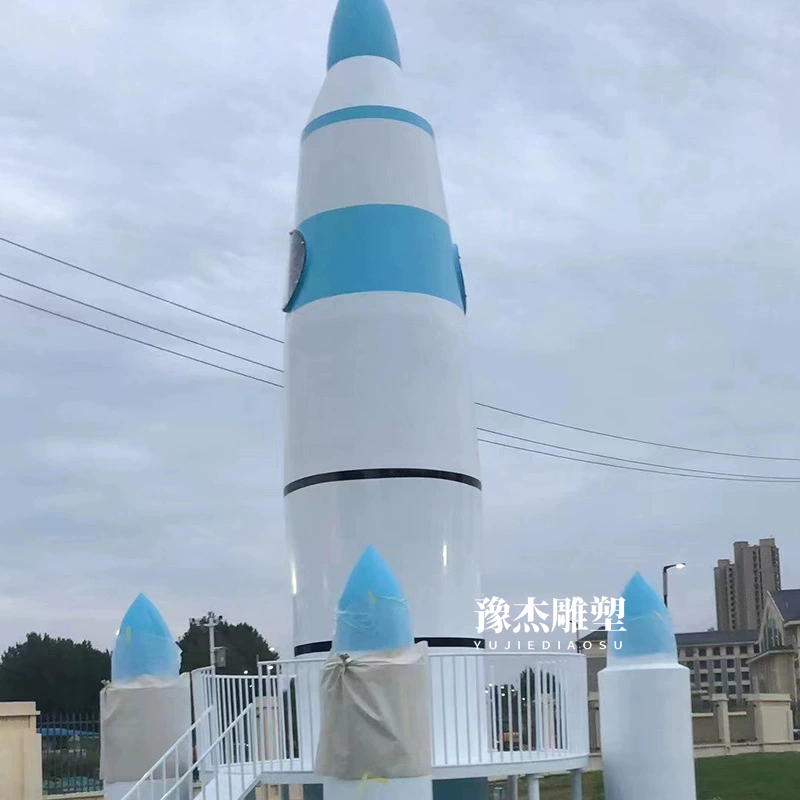
Theme Park and Amusement ParkOur sculptures, crafted for various cartoon characters, fairy tale figures, and amusement park attractions, are highly favored for their ease in creating intricate designs at a relatively low cost. They are widely used to create an environment brimming with joy and fantasy, attracting visitors to enjoy the rides.
Interior DecorationIn hotel lobbies, shopping malls, exhibition halls, and other indoor spaces, glass fiber reinforced plastic sculptures can serve as decorative art pieces. By selecting sculptures with appropriate shapes and colors that match different interior styles and themes, the artistic taste and overall ambiance of the indoor space can be enhanced.
Cultural and Art ExhibitionArtists will utilize the malleability of glass fiber reinforced plastics to create art pieces, participating in various art exhibitions to showcase their unique creativity and artistic concepts. The relatively lightweight nature of glass fiber reinforced plastics also makes them convenient for transportation and installation.
Summary of Pros and Cons
Advantages:
As previously mentioned, with its numerous advantages such as lightweight, high strength, excellent corrosion resistance, strong malleability, and low cost, it is adaptable to a wide range of different application scenarios and design requirements, and has a broad foundation for use in the sculpture field.
Shorter production cycles, especially for sculptures with certain bulk production requirements, can be achieved through reasonable mold making and process arrangements, allowing for quick completion and delivery, thereby enhancing production efficiency.
Flaw:
Despite its good corrosion resistance, resins can experience aging, discoloration, and cracking when exposed to outdoor environments for extended periods, especially under prolonged UV radiation. This can affect the appearance and longevity of sculptures, necessitating regular maintenance, such as repainting and crack repair.
Glass fiber reinforced plastic sculptures may be slightly inferior in texture compared to some sculptural materials, such as glass fiber reinforced plastic sculptures with a bronze-like effect. Upon close inspection, differences in texture between these and genuine bronze sculptures are noticeable. In artistic settings where high sculptural texture is demanded, their application may be limited.
