

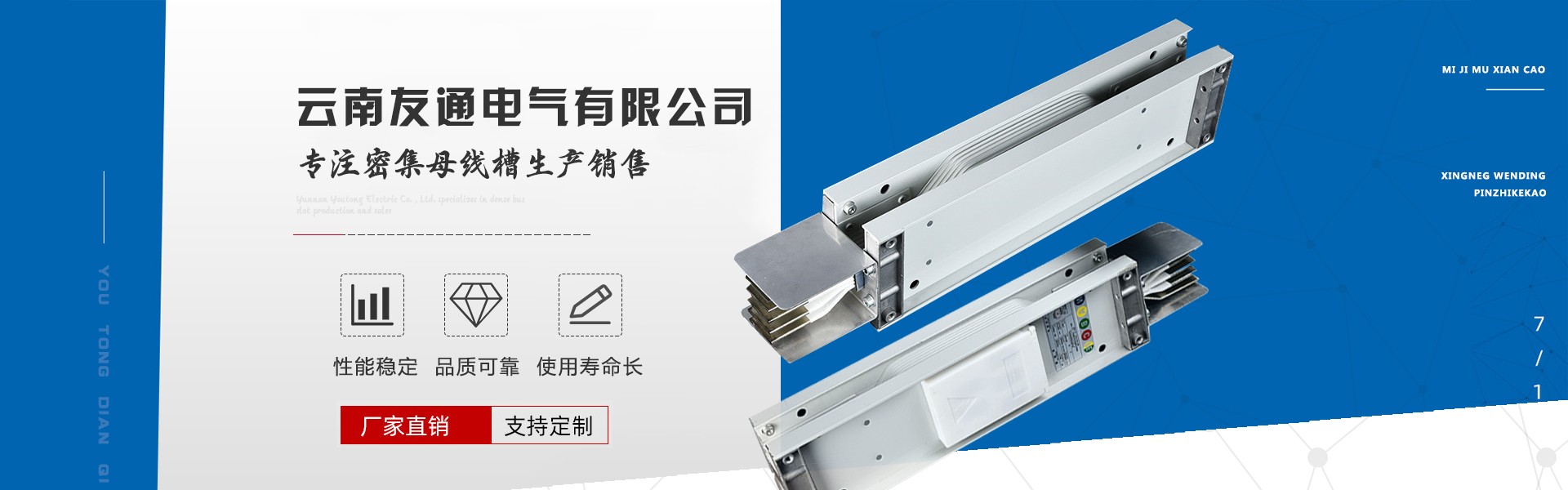

Prior to installing the busway, it is essential to ensure that the electrical well, switchgear room, and areas where the busway passes, as well as decorative work and heating, ventilation, and air conditioning (HVAC) systems, are all completed. This ensures that the enclosed busway remains uncontaminated. Pre-drilled holes and embedded parts in the floor and walls should be installed according to design specifications. The external surfaces of the copper busbars on the connection components of each functional unit of the busway and the moving joints must be clean and free of debris. The interior of the housing and the front of the insulation device should also be wiped clean, without any food residue. The inter-phase short-circuit plates of the housing should be properly positioned and securely connected, the inter-phase support plates should be firmly installed, and the segmented insulation housing should be well insulated. The torque bolts of the housing connection components should be tightened using a torque wrench, and all contact surfaces should be sealed. The busway fasteners must be made of hot-dipped galvanized products.
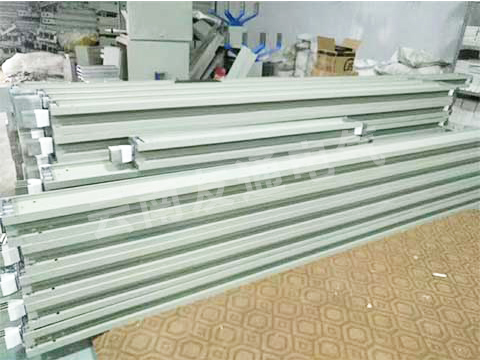
Busbars and housings should not exceed a concentricity error of 5mm. When connecting busbar segments and busbar housing segments, the two adjacent busbar parts and busbar housing should be aligned, and the busbar and busbar housing should not be subjected to mechanical stress after connection. An insulation test must be conducted before the overall installation of the closed busbar system. A 1000V megohmmeter is used to measure the insulation resistance between phases, between phases, and for each functional unit. The insulation resistance should be no less than 20MΩ. Installers should carefully compare the blocked busbar channel system diagram and check the specifications and models of all busbar channels to prevent incorrect installation, as returns can affect the quality of construction equipment.
The overall structure of the busbar trunking installation should be both horizontal and vertical. When setting angles, the height from the air equipment should be no less than 2.2 meters. The distance between the air equipment and the vertical laying should be greater than 1.8 meters from the corner of the busbar trunking and the connection point with the plug box bracket. When installing brackets in a row, the spacing between the brackets should be even, and the distance between the brackets should not exceed 2 meters. When the busbar trunking's junction box and starting box are suspended in the air, they should be secured using brackets. Brackets on walls and ceilings must be fixed with two constricting bolts. The constricting bolts should be secured with flat washers and spring washers. When the busbar trunking passes vertically through the ceiling, it should be supported and fixed on the bottom plate through which it passes. When the enclosed busbar trunking extends beyond the building's expansion joints or settlement joints, measures should be taken to adapt to the structural movement of the building to avoid the formation of cracks in the movement degree of the busbar trunking connections, which could affect normal power supply and the distribution of the dense busbar trunking.
Yunnan Youtong Electrical Co., Ltd. is a professional manufacturer of busway bridge supports, offering high-value busway bridge supports with meticulous craftsmanship, durability, complete specifications, and competitive prices. Please call for inquiries if you need them!
