


 通过中商114认证
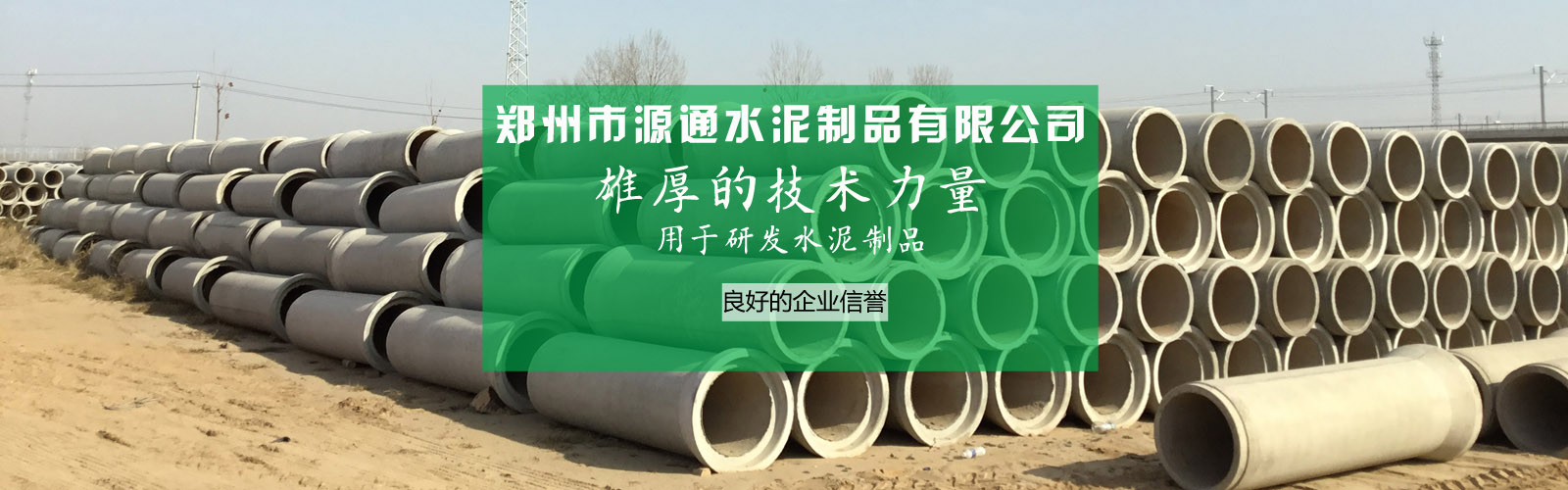
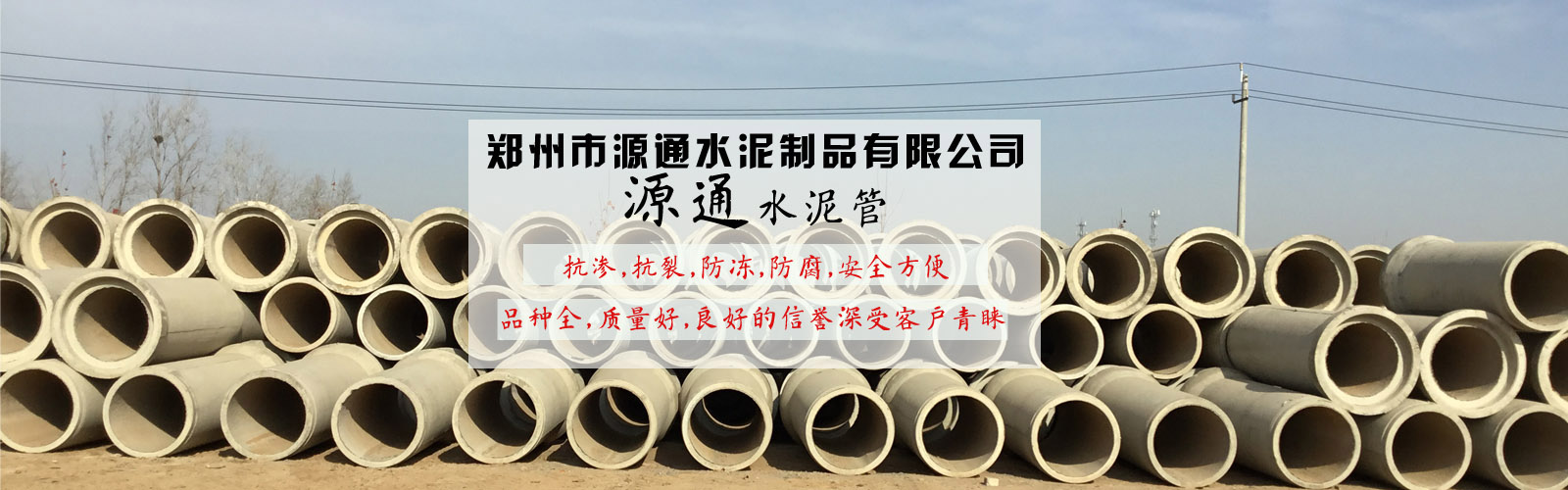
We all know that Zhengzhou cement drainage pipes are a type of pipe used for underground drainage systems, and they are used everywhere in our daily lives. So, how can we address the issue of leaks at the joints of cement drainage pipes? Let's take a look together below.
How to Solve Leaks at the Joints of Henan Concrete Drainage Pipes
Comply with standard construction procedures, clean the mouth, roughen, apply mortar, fill in gaps, join, compact, and finish smoothing. The foundation should also be properly prepared. Post-joint maintenance is crucial, and ongoing care is equally important.
Zhengzhou cement drainage pipe manufacturer uses asphalt cotton to fill in the seams, coats the surface with a layer of asphalt, then wraps the joint with felt in the corresponding width range, and applies another layer of asphalt, which is known as "two oils and two materials." The highway culvert pipes we see are generally treated this way. Depending on whether it's a socket pipe or a flat-end cement drainage pipe, it's essential to ensure no leakage. The same foundation work should be done: first, pour the concrete base layer, then install the pipe, ensuring the pipe ends are flush. For socket pipes, place an appropriate amount of mortar under the pipe to ensure the uniformity of the circumference around the pipe opening. Seal and fill the joints to tightly block the pipe seams. Pour a pipe band to seal the joint, follow standardized procedures, and only by strictly adhering to the construction operation specifications can leakage be minimized. To achieve no leakage, a flexible joint must be used, i.e., the rubber strip gasket for the cement drainage pipe should be purchased along with the cement pipe.
What causes the white discoloration in Zhengzhou's cement drainage pipes?
Alkali efflorescence primarily manifests as the reaction between the strong alkali in the highly alkaline cement used for adhesives and acidic solutions in the air, usually acid rain or industrial and domestic acidic substances like carbonates. These reactions produce salts, which are then carried to the surface of tiles by water. Once the water evaporates, these salts appear as crystals on the surface of the cement drainage pipes or at the joints. The basic reaction is acidic solution + alkali = salt + water. The resulting sodium salts are easily soluble in water and, upon encountering ample water, form an ionic solution, quickly leaving the original salt location and diffusing to other parts of the tiles or stone. As the water dries, the salt re-crystallizes at these diffused locations, leading to the formation of new alkali efflorescence and salt precipitation.
