
The Difference Between Protection Gate Valves and Standard Gate Valves, the Human Protection Gate Valve, also known as a Gate Valve, has a general model of Z45T/Z41T, where Z signifies the marking of a gate valve, 4 represents the connection type as flange connection, 5 denotes the structural form as blind stem, 1 indicates the structural form as exposed stem, and T stands for the sealing surface material as copper alloy. Common pressure grades typically include 1.0 Mpa and 1.6 Mpa.
The primary function of the civil defense protective gate valve is to connect or cut off the medium within the pipeline, which can be non-corrosive substances such as water, steam, or oil.
The Difference Between Protective Check Valves and Standard Check Valves: Protective check valves are hard-seated check valves, where the closing process is achieved through the tight fit of copper alloy between the valve plate and seat. These valves not only have the characteristic of cutting off media like gate valves but also offer easier, more flexible operation with less flow resistance. Additionally, they do not restrict the flow direction of the medium, making them suitable for pipelines where the flow direction may change.
The Difference Between Protective Gate Valves and Standard Gate Valves: As protective gate valves are hard-sealed, they inherently demand higher quality of copper alloys, as well as thicker walls for the gate plate and body. This is because in a pressurized state, thin walls or plates can cause slight deformation, leading to internal leakage. Therefore, when purchasing protective gate valves, it is essential to choose large factories with production qualifications and capabilities.
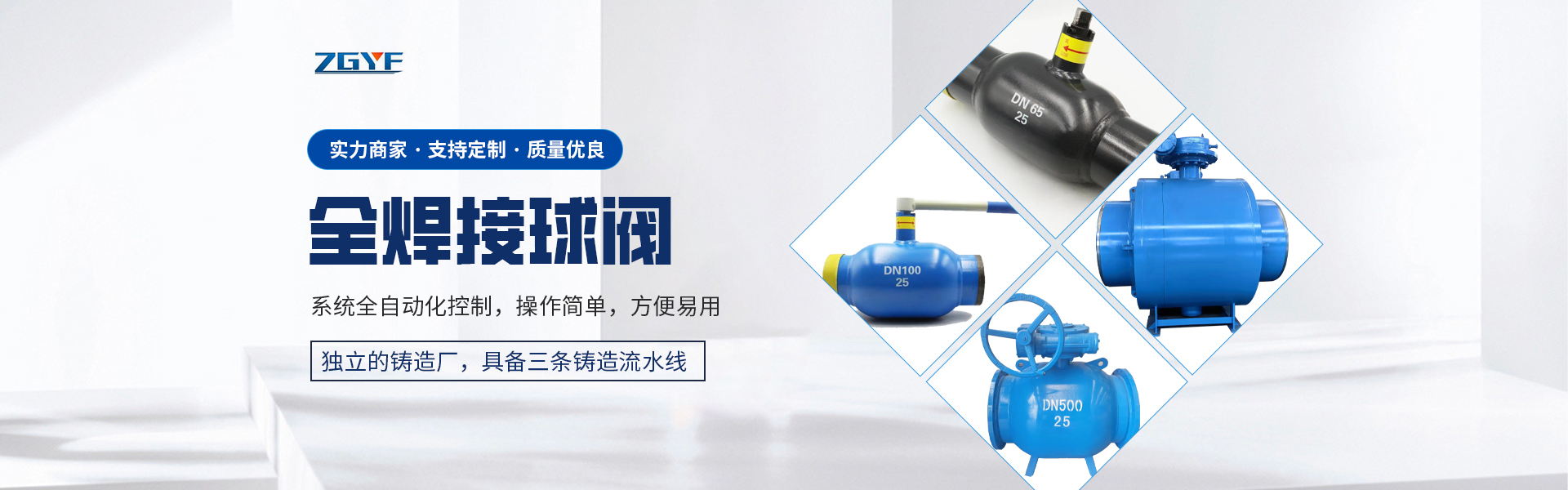
Introducing Hebei Yuanfang Pipeline Equipment Co., Ltd., with three casting production lines. The casting blanks meet or exceed Grade 3 spheroidization, ensuring foundational quality for protective gate valves. Valve pressure tests are conducted according to GB13927 standards, with factory pressure test reports and inspection reports issued by the inspection department. The paint thickness on the inside and outside of the valves is not less than 300um, suitable for both export and domestic sales. We also maintain a large inventory, accepting projects and offering OEM services.
During the pressure testing process, soft-seated gate valves must leak no drops at all within the specified time according to the standard test. However, protective gate valves are permitted to have a fixed amount of leakage within the time frame during pressure testing, typically measured in drops. Leakage levels are categorized into four grades: A, B, C, and D. Generally, a product is considered qualified if it meets the D grade. The specific pressure test documents are 1-3-4*7.3/7*1*4929.
In summary, there is actually no substantial difference between protective gate valves and gate valves; they are merely selected based on different operating conditions.
