

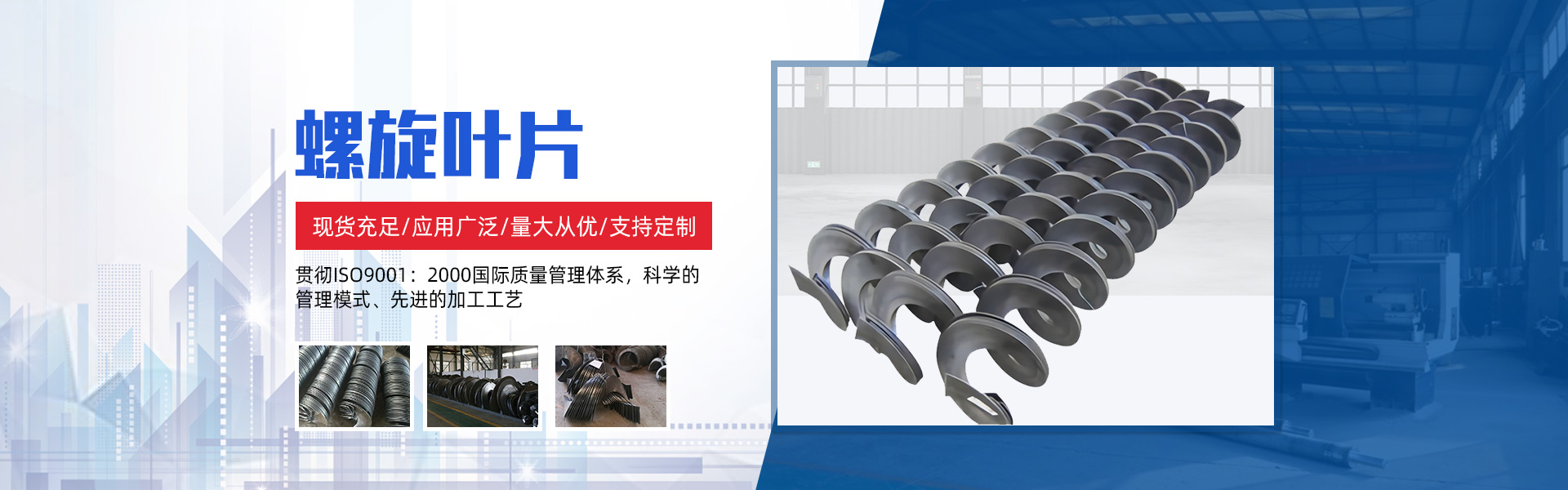


Equipment blockages can significantly affect normal production operations, making regular cleaning quite crucial. Spiral conveyors frequently encounter this issue during material transport. However, there are solutions to this problem. How should we address the internal blockages? In fact, simply trying the following methods should suffice.
The spiral conveyor's feeding chain is fully equipped, offering ample conveying capacity.
2. After expansion, technological upgrades, or the adoption of new technologies, it is necessary to continuously improve or adjust the conveying process of the belt conveyor, such as extending the bucket distance, increasing the number of buckets, and adjusting the ratio of the drive wheel to the driven wheel for progressive lifting force. Modify the driving speed, and change the original unloading method to address ashing and clogging issues.
3. Simply plan the hopper size, choose the correct unloading method, and reduce the incomplete unloading signs of materials.
4. Strict control over the moisture requirements of adhesive materials should be maintained. The spiral conveyor should not relax the allowable horizontal during this process.
5. It is essential to regularly inspect and repair the buckets and chains (traction components) of the bucket elevator, and replace the materials damaged.
Addressing this issue is not difficult; the key lies in the user's operational method. Spiral conveyors often transport various materials, and due to this functionality, some internal blockages are inevitable during use. As long as we clean them regularly and transport materials strictly according to specifications, the problem of internal blockages can be minimized.
News Center Co., Ltd.
