


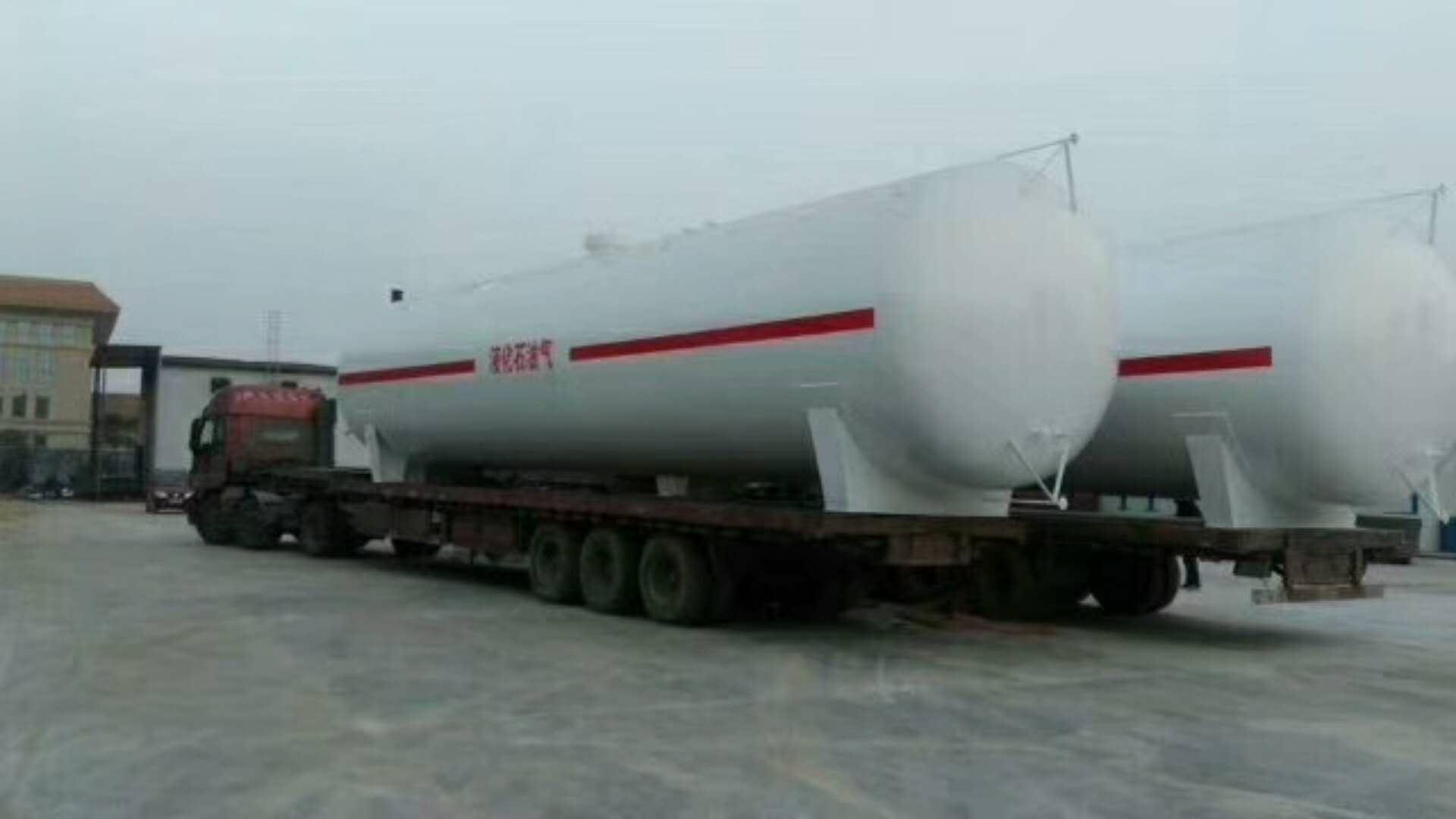
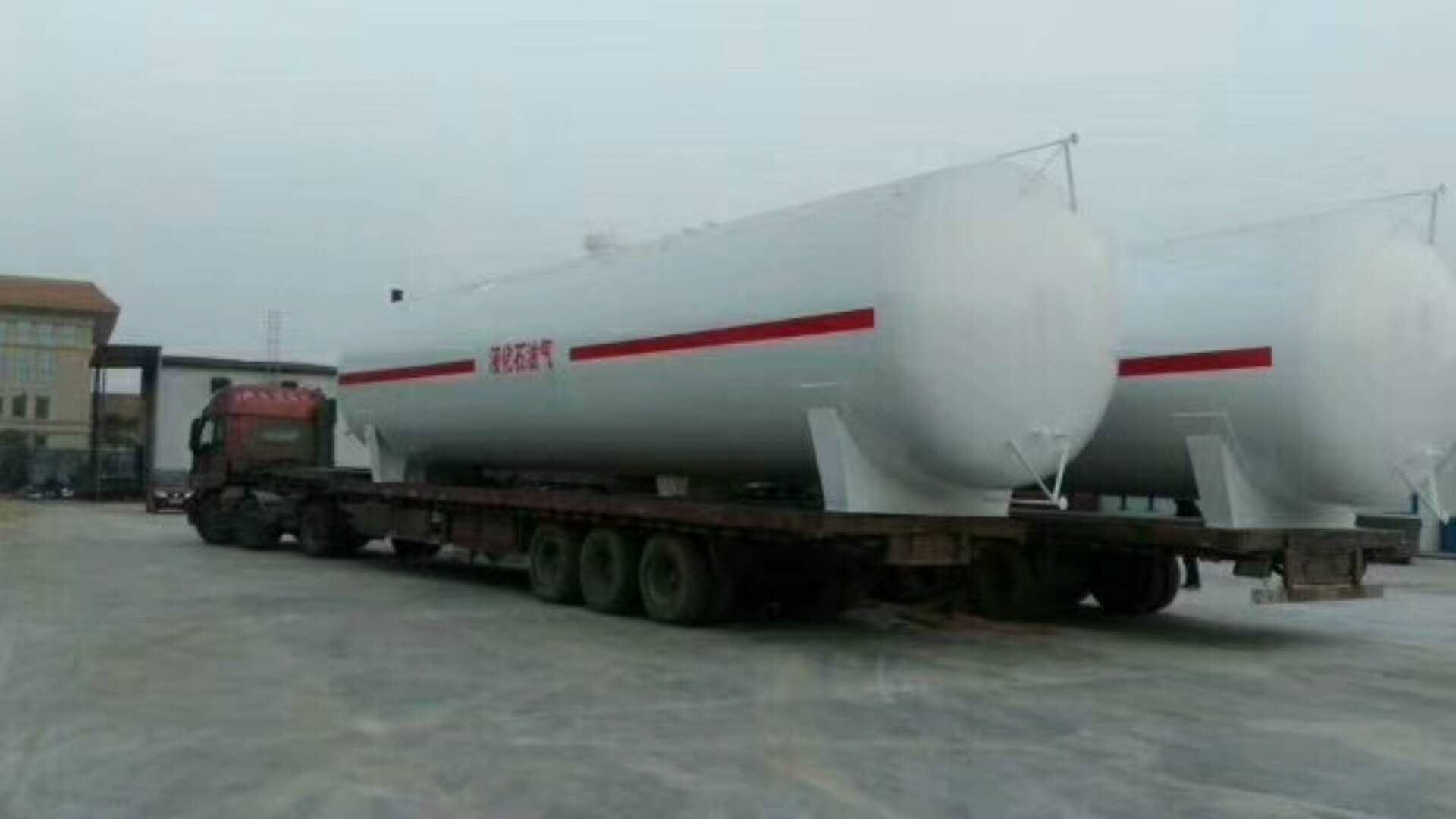
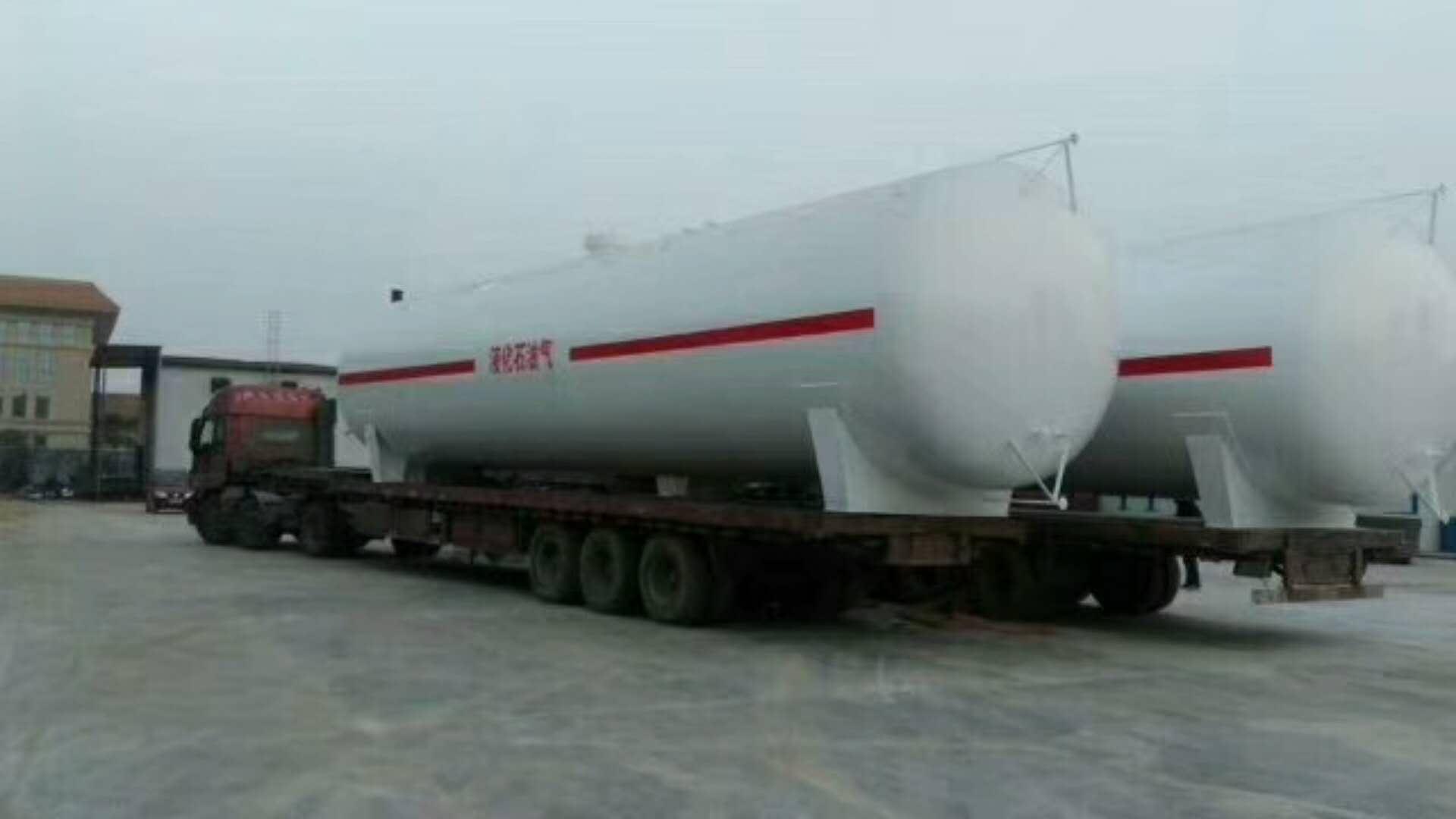
Professional Customized LPG Storage Tank Sales Price
Liquefied gas storage tanks are pressure vessels, and are required by the state to be inspected annually (with a recommended lifespan of 10 years for simple pressure vessels). Since inspections are conducted, there are products that pass or fail. Generally, due to improper usage procedures or inadequate maintenance, companies may find their liquefied gas storage tanks fail inspection, necessitating mandatory scrapping. As these tanks are special equipment, scrapping requires a specific process. Compressor liquefied gas storage tanks are widely regarded as safe special equipment, but if any aspect of their manufacturing, design, installation, or usage management is not standardized, accumulated risks could lead to explosions or even more severe consequences. Therefore, we must adhere to the operating procedures for our compressor liquefied gas storage tanks, avoid shortcuts, and never purchase inexpensive, unqualified storage tanks. Tanks with a volume of 1 cubic meter and a capacity of 10 kg or less are considered simple pressure vessels and do not require inspection; the state regulation stipulates a 7-year exemption from inspection from the date of manufacture on the label, but this only applies to the tank itself.

4.1 Design Unit Selection: The selection of a design unit for the liquefied petroleum gas storage tank system engineering should be handled by the project organization department of each provincial (city, district) company. They should choose from the shortlisted design institutes and obtain approval from the relevant supervisor for signature. The design unit should possess qualifications in petrochemical engineering design and industrial pipeline (GC2) design. 4.2 Site Survey: 4.2.1 The site survey should be conducted by the project organization department of each provincial (city, district) company, involving personnel from the construction, pipeline, quality safety departments of the branch company where the gas station is located, as well as the design institute. 4.2.2 For the research and survey of the gas station, it is necessary to understand the layout and burial depth of the existing underground pipelines and cable laying within the gas station. For stations that cannot provide site pipeline data, pipeline detection technology should be used to determine the existing process, electrical, and water supply and drainage pipelines. 4.2.3 The construction department of the branch company where the gas station is located should propose suggestions for the scope and methods of renovation (such as oil unloading vapor recovery system, fueling vapor recovery system [dispersed, centralized], and oil and gas emission treatment facilities), as well as related equipment and facility renovations. After obtaining approval from the relevant supervisor and the project organization department of the provincial (city, district) company, the design unit will base the scheme design on these suggestions. 4.3 Design Proposal: 4.3.1 The design proposal submitted by the design institute should include technical documents such as general layout, oil vapor recovery process diagrams, and main equipment and material lists. 4.3.2 The design proposal should be submitted to the project organization department of the provincial (city, district) company, which will organize the pipeline, quality safety departments, construction personnel from the branch company where the gas station is located, and the design institute for proposal review. The proposal should then be approved by the relevant supervisor. 4.4 Construction Drawing Design: 4.4.1 Equipment selection: The project organization department of each provincial (city, district) company will provide a list of pre-qualified suppliers for oil vapor recovery equipment. The design institute will select the relevant equipment based on this list. Equipment selection should adhere to principles of safety, reliability, advanced technology, cost-effectiveness, and compliance with emission standards. Products with simple installation, convenience, and minimal on-site modification should be chosen. Attention should be paid to the following: 4.4.1.2 It is preferable to select equipment from the same manufacturer in the same region for ease of after-sales service. 4.4.1.2 Gas stations with an annual gasoline sales volume of over 3,000 tons and more than 10 fuel guns should use a centralized fueling vapor recovery system; others should use a dispersed system. 4.4.1.3 Different types of fueling vapor recovery technology and equipment should be selected based on the internal space of the fuel dispenser. For example, a secondary recovery dispersed vacuum pump should be powered by a smaller motor that can utilize the existing power supply of the fuel dispenser, rather than laying additional power cables. 4.4.1.4 The oil and gas emission treatment facility should be selected based on the surrounding environment, site size, and business volume of the gas station. The maximum treatment capacity of the oil and gas emission treatment facility should be 10% to 20% of the maximum fueling volume. 4.4.2 Construction drawing design: 4.4.2.1 The design institute will conduct construction drawing design based on the approved design proposal. 4.4.2.2 The liquefied petroleum gas storage tank pipeline should be made of seamless steel pipes that comply with the current national standard GB/T8163 for fluid transmission. The design pressure of the oil pipeline should not be less than 0.6 MPa, and the design pressure of the oil vapor recovery pipeline should not be less than 0.13 MPa. Flexible materials such as thermoplastic plastic pipelines should not be used.


