


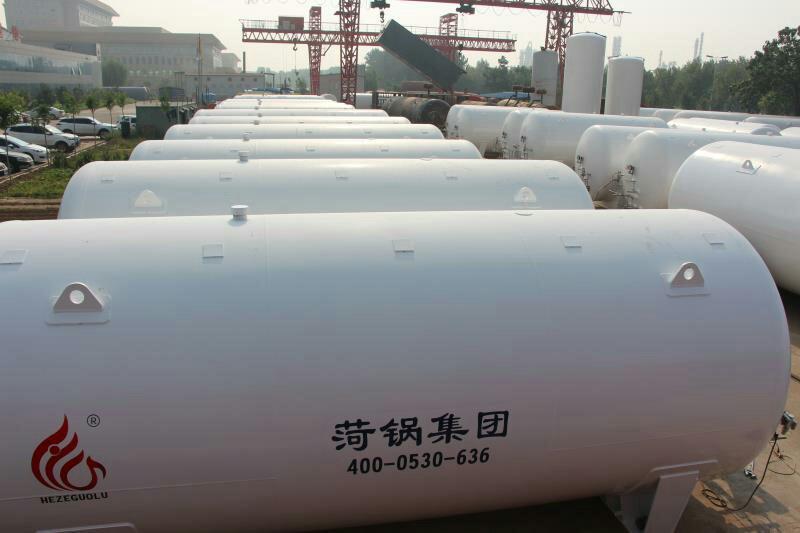
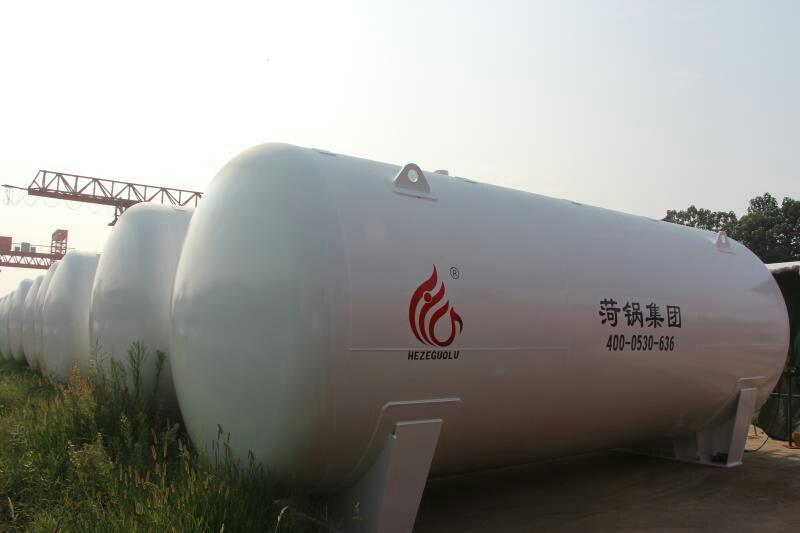
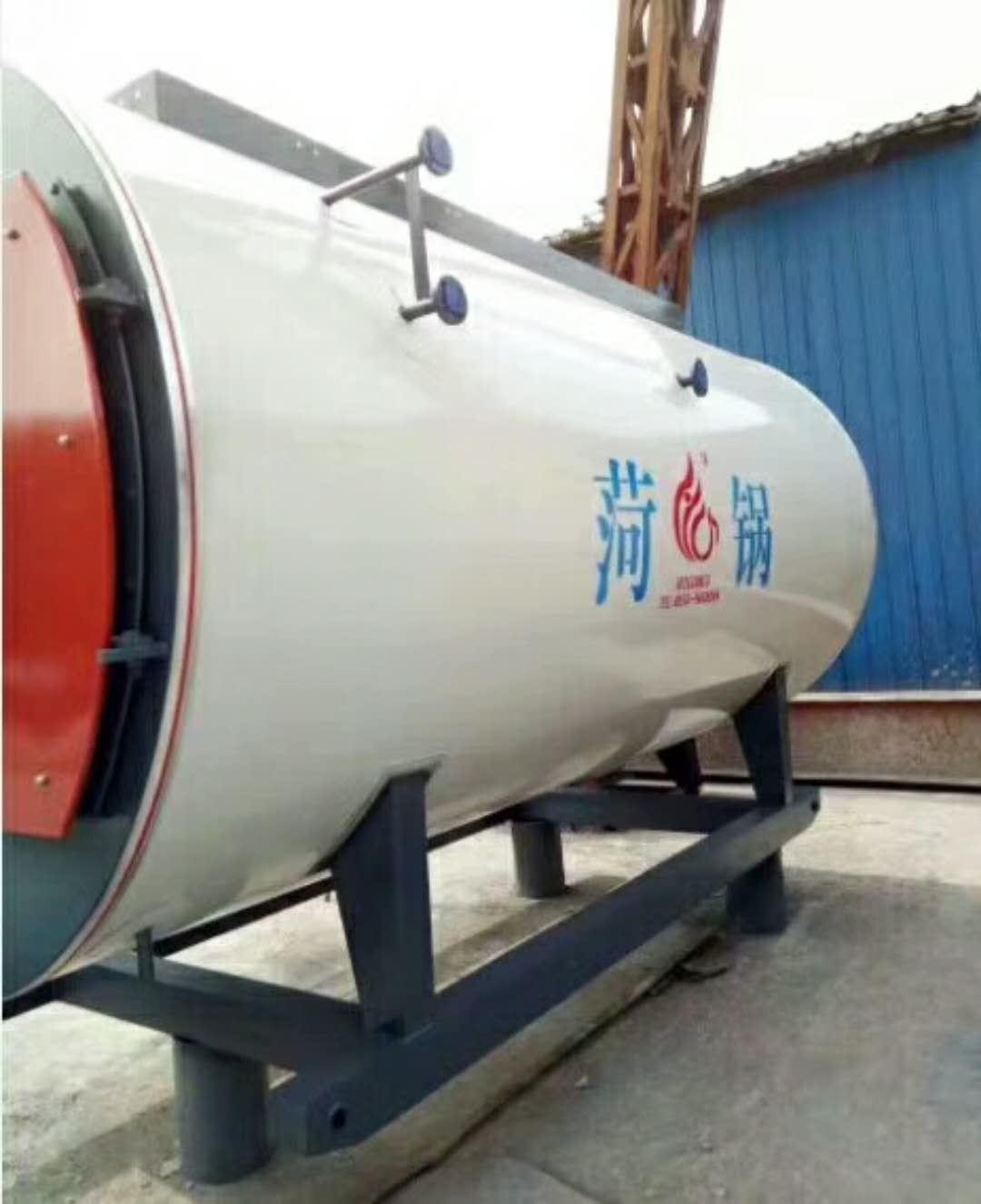
Babjehec specializes in the production of Liquefied Natural Gas (LNG) storage tanks. Phone: [Please provide the phone number]
Product Description
Brand Hegu Group Model CFW-60/0.8
Material: Stainless Steel | Diameter: 2916mm
Application Range -162℃ Volume 60000L
Wall Thickness: 8mm, Outer Dimensions: φ2916*14929mm
Origin: Shandong Heze

Heze LNG Storage Tank, Low Temperature Oxygen/Nitrogen/Argon Carbon Dioxide Storage Tank, 60 Cubic Meters LNG Storage Tank
Low-temperature LNG tanks are high-vacuum insulated stainless steel pressure vessels, designed for the storage, transportation, and use of liquid natural gas. The containers are manufactured in accordance with GB18442 standards and are used for reliable and cost-effective transportation and storage of cryogenic liquids, as well as for on-site storage and supply of liquid natural gas across a wide range of applications.
With the development of low-temperature liquid storage and transportation, the insulation technology for low-temperature containers is becoming increasingly sophisticated. To maintain the storage and transportation of low-temperature liquids, as well as the temperature for low-temperature refrigeration, insulation measures must be taken in low-temperature environments. It is only under insulated conditions that low temperatures can be maintained. Insulation can reduce vaporization loss or create conditions for the long-distance and extended transportation of low-temperature liquids.
Low-temperature insulation methods can be divided into two main categories: general insulation and vacuum insulation.
(1) Standard insulation is an older, traditional method that involves applying solid, porous insulating materials to the exterior of equipment, containers, and pipelines. These materials are filled with air or other gases under atmospheric pressure within their voids.
(2) There are three basic types of vacuum insulation: high vacuum insulation, vacuum powder insulation, and vacuum multilayer insulation.
Principle of Pressure Increase and Decrease in LNG Storage Tanks
Boost Pressure:
As LNG usage increases, the liquid level inside the tank decreases continuously, causing the gas phase volume to expand and the tank pressure to decrease. The flow rate of LNG gradually slows down until it stops. Therefore, during normal operations, it is necessary to continuously replenish gas to the tank to maintain the pressure within a certain range. This process is called pressure boosting. Its principle is as shown in the diagram: The tank pressure boosting is achieved through an automatic pressure boosting system consisting of an automatic pressure booster and a small air-temperature type gasifier. When the tank pressure falls below the set value of the automatic booster, the booster opens, and the liquid inside the tank slowly flows into the pressure booster gasifier due to the liquid level difference, and the gas produced by the liquid vaporization flows through the booster and the gas phase pipe to replenish the tank. The continuous replenishment of gas causes the tank pressure to rise. When the pressure rises above the booster set value, the booster closes. At this point, the pressure inside the pressure booster gasifier will prevent further liquid inflow, and the pressure boosting process ends.
Pressure Relief: (Overpressure Protection)
LNG can slowly evaporate during storage due to heat loss from the storage tank's environment, leading to a gradual increase in tank pressure and ultimately posing a risk to tank safety. Therefore, it is necessary to control the pressure limit by releasing the gas inside the tank. This is done by installing a regulator on the gas phase pipeline of the storage tank. When the tank's pressure rises to a set value, the pressure relief valve slowly opens to release the tank's gas. Once the pressure drops back below the set value, the automatic regulator closes. It should be noted that the regulator referred to here is not the commonly used gas regulator. Generally, regulators rely on the action of the control valve at the outlet end, but this regulator operates based on the control valve at the inlet end, similar to the commonly used vent valve. Additionally, it must withstand low temperatures. The released gas is typically not released into the atmosphere; instead, subsequent processes will recover and utilize it. This portion of the gas is abbreviated as BOG.
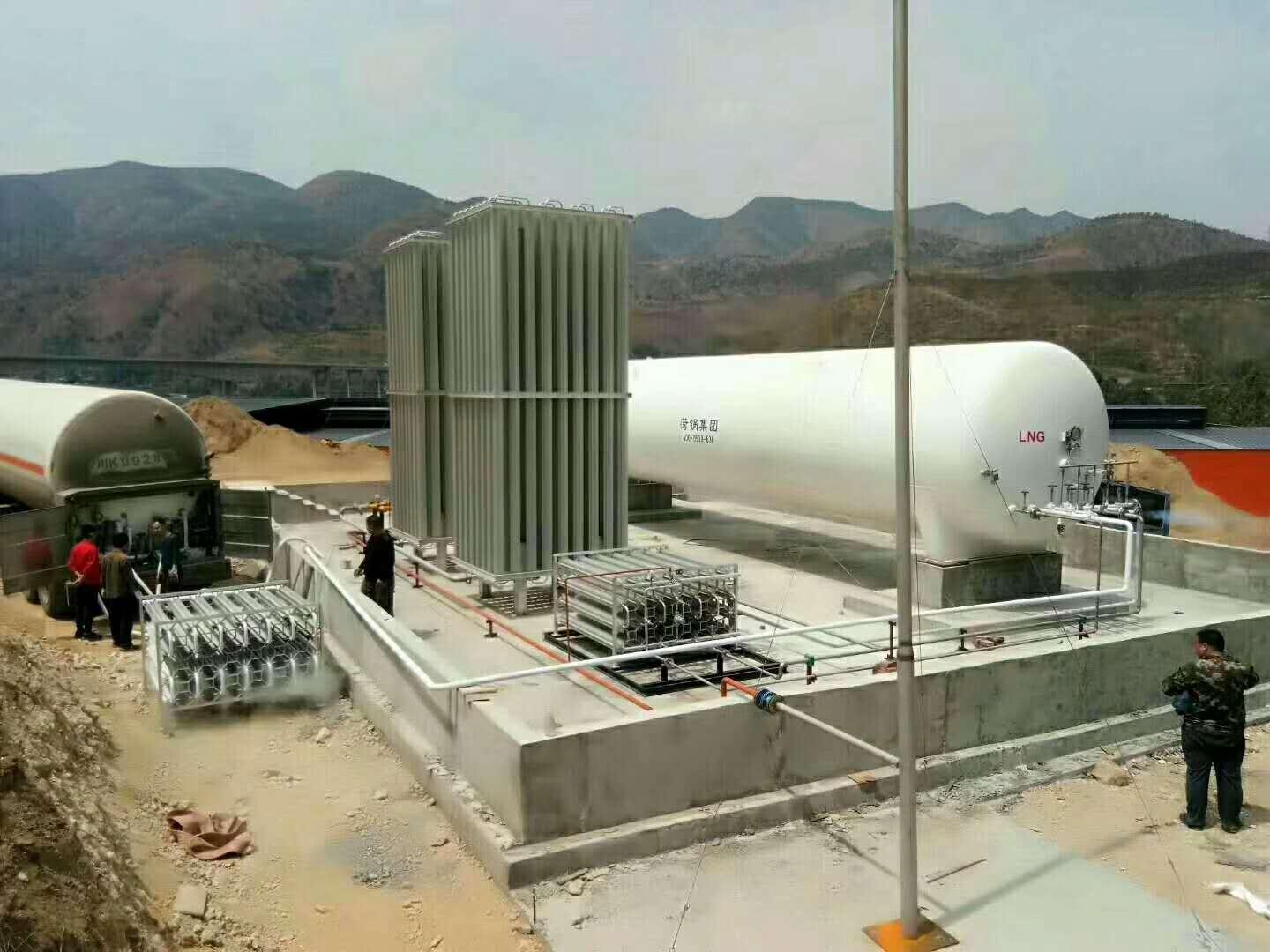
Heze LNG Storage Tank, Low Temperature Oxygen Nitrogen Argon Carbon Dioxide Storage Tank, 60 Cubic Meters LNG Storage Tank

Hekou Group 60 cubic meter LNG tank price

60-cubic-meter LNG storage tank is a low-temperature vacuum-insulated tank. The structure consists of an inner and an outer container forming a double-wall design. The materials used are austenitic stainless steel, with the outer container material chosen as Q235-B or 16MnR based on the user's location. The annular space between the inner and outer containers is filled with insulating pearlite sand and vacuumed. The insulating material is a vacuum-insulated pearlite sand filling the annular space in a heated state.
60-cubic-meter LNG storage tank, application scope for liquefied natural gas storage
Our products are suitable for industries such as steel, metallurgy, construction, chemicals, pharmaceuticals, food, glass, civil, and healthcare, and help reduce gas costs. They are the preferred liquid gas storage containers across all industries.
Product Features of Liquefied Natural Gas Tanks
1. Liquefied Natural Gas Tank Models: Vertical and Horizontal
2. Tank Effective Volume: 2m3-100m3 (common volumes include 2m3, 3m3, 5m3, 10m3, 15m3, 20m3, 30m3, 50m3, 100m3) and can be custom-designed according to customer specifications.
3. Working Pressure: ≥0.2 MPa (common pressures include 0.8 MPa, 1.6 MPa)
4. Storage Media: Liquid Oxygen (LOX), Liquid Nitrogen (LIN), Liquid Argon (LAr), Liquid Carbon Dioxide (LCO2), Liquefied Natural Gas (LNG), etc.
5. Design Pressure: 0.84 MPa, 1.68 MPa; Operating Pressure: 0.8 MPa, 1.6 MPa
6. High impact resistance and strong vibration performance.
60-cubic-meter LNG Storage Tank Development
With the development of the gas industry and natural gas industry, the application of liquefied natural gas (LNG) storage tanks has become increasingly widespread. In addition to large-scale and extra-large horizontal low-temperature storage tanks for large LNG facilities and LNG receiving stations, air separation units, small and medium-sized LNG facilities, LNG storage and distribution stations, and LNG gasification stations generally equip themselves with small to medium-sized horizontal low-temperature storage tanks, with capacities typically under 10,000 cubic meters. As the core equipment of such installations, the choice of tank type significantly impacts the overall cost and operating expenses of the facility. Selecting the appropriate type of horizontal low-temperature storage tank to meet installation requirements has become particularly important.
Liquefied Natural Gas (LNG) Storage Vessel Capacity and Applicable Scenarios
1. 60-cubic-meter LNG vacuum powder-insulated storage tanks, available in sizes from 5 to 200 cubic meters. Suitable for residential gasification stations, industrial gasification stations, LNG refueling stations, small skid-mounted liquefaction units, and refrigerant storage.
2. Mother-child horizontal low-temperature storage tanks, 300 to 5,000 cubic meters, suitable for small liquefaction units, air separation units, civil gasification stations, industrial gasification stations, and LNG gasification stations, etc.
3. Horizontal and Lying Low-Temperature Storage Tanks, 100~10,000 cubic meters, suitable for small and medium-sized liquefaction units, peak-shaving liquefaction units, air separation units, LNG storage and distribution stations, LNG gasification stations, etc.
4. Vertical flat-bottomed cylindrical storage tanks, ranging from 200 to 200,000 cubic meters, suitable for various liquefaction units, LNG storage and distribution stations, LNG regasification stations, air separation units, liquid hydrocarbon storage, and coastal LNG receiving stations.
Vacuum powder insulating storage tanks consist of an inner筒体 and an outer筒体, with the jacket utilizing vacuum powder insulation technology. Due to transportation constraints, the maximum tank capacity is currently 200 m³, commonly used for storing smaller liquid volumes.
When the storage capacity exceeds 200m³, a 60-cubic L storage tank can be connected in parallel to form a cluster tank using multiple vacuum powder insulation storage tanks. When the storage capacity goes beyond 1500m³, it's advisable to use sub-mother horizontal low-temperature storage tanks (abbreviated as sub-mother tanks), which offer advantages over cluster tanks, such as fewer on-site equipment, lower investment, convenient operation and maintenance, and high safety and reliability. The sub-mother tank consists of several (more than three) sub-tanks in parallel forming the inner tank, and assembled into one large outer tank (mother tank). The sub-mother tank is also subject to transportation and lifting conditions, with a maximum individual volume of 250m³ and a total maximum volume of 5000m³. When the storage capacity exceeds 200m³, spherical horizontal low-temperature storage tanks and vertical flat-bottomed horizontal low-temperature storage tanks can also be chosen. When the storage capacity exceeds 10,000m³, horizontal low-temperature storage tanks with vertical flat bottoms are more commonly used. In the actual selection process, for storage capacities of 200m³ or less, the 60-cubic L LNG storage tank is best suited for vacuum powder insulation storage tanks with mature manufacturing and installation technology.


