


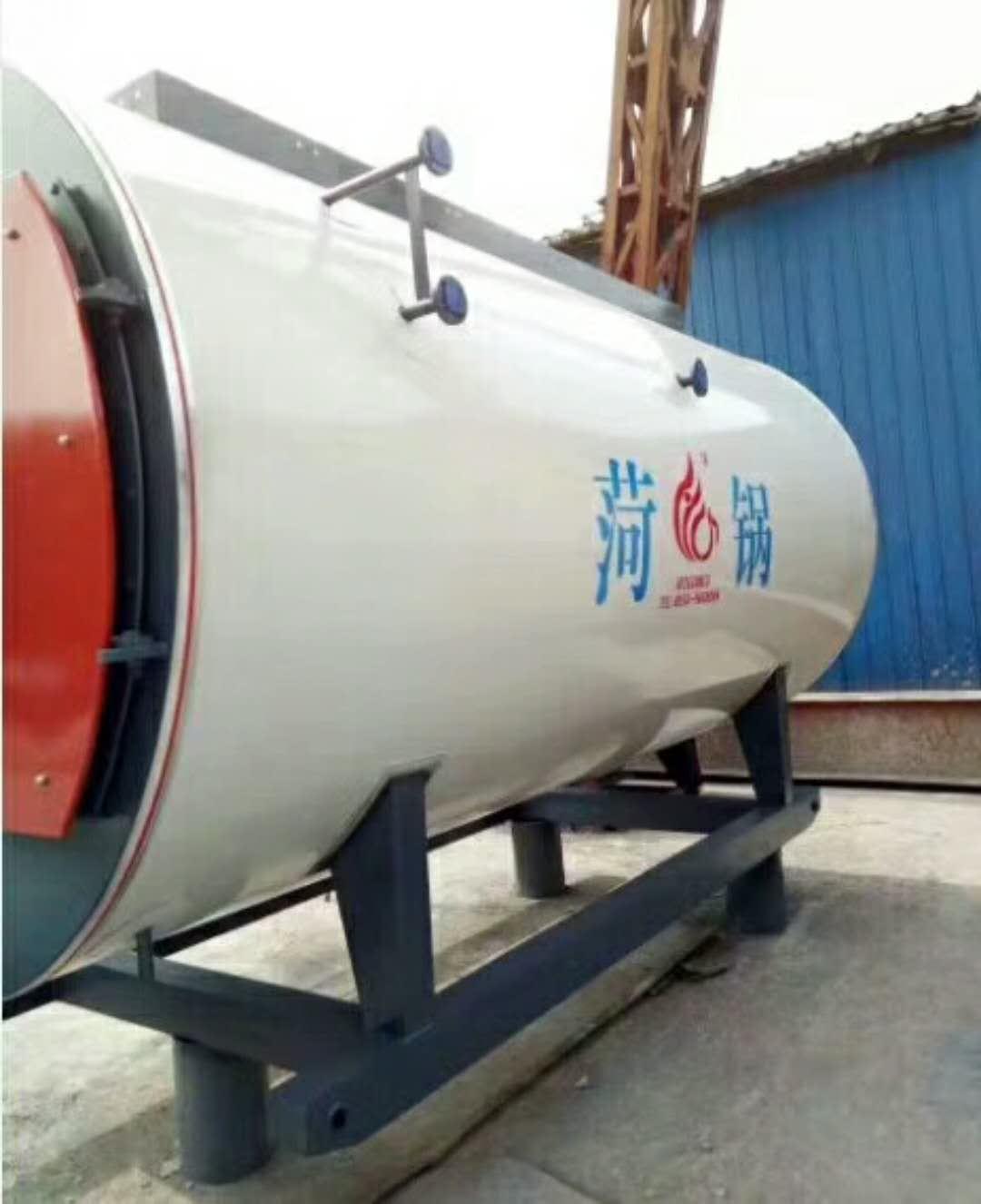
babjehec supplies natural gas storage tank company
Key Player in Energy Structure Adjustment
The relatively clean nature of natural gas has indeed accelerated its penetration into various fields, including daily life and corporate operations, with continuous increases in market demand across regions. The National Energy Administration has published articles stating that in the context of increasingly tight resource and environmental constraints, the greening of energy transformation is increasingly urgent, necessitating a significant increase in the proportion of natural gas. This June, the National Development and Reform Commission and the National Energy Administration, among 13 other ministries, jointly issued "Opinions on Accelerating the Utilization of Natural Gas," which clearly outlines the gradual development of natural gas as one of the main energy sources in China's modern clean energy consumption system. According to the National Development and Reform Commission's statistics, from January to October this year, China's natural gas production reached 121.2 billion cubic meters, up 11.2% year-on-year; imports of natural gas were 72.2 billion cubic meters, up 27.5%; and consumption was 186.5 billion cubic meters, up 18.7%.
High Peak introduces that with the continuous increase in China's natural gas consumption level, imported natural gas has become one of the important sources of natural gas supply in our country. According to customs statistics, from January to October this year, China's natural gas imports reached 54.165 million tons, a year-on-year increase of 24.9%. Among them, gaseous natural gas was 25.073 million tons, up 5.9% year-on-year; liquefied natural gas was 29.092 million tons, setting a new historical high, up 47.7% year-on-year.
The increase in natural gas consumption has also witnessed the adjustment of energy structures in various regions. Taking Beijing as an example, according to the Beijing Statistical Yearbook, the total energy consumption in Beijing increased from 63.59 million tons of standard coal to 69.61 million tons of standard coal between 2010 and 2016. The proportion of coal consumption dropped from 29.6% to 9.8%, a decrease of more than 60%, while the share of natural gas consumption rose from 14.6% to 31.7%, an increase of about 50%.

Following the National Development and Reform Commission, the Ministry of Environmental Protection and the Ministry of Commerce have also sequentially made statements from their respective perspectives on addressing the natural gas supply gap. On December 7th, Beijing Business Journal reporters learned from the industry that the Ministry of Environmental Protection has issued an emergency document to the "2+26" cities in the Beijing-Tianjin-Hebei and surrounding areas, titled "Letter on Preparing for Comprehensive Treatment of Small Coal to Ensure the Warm Winter for the Masses." It clearly states that projects and localities that have not completed coal-to-gas (electricity) conversion should continue using the past coal heating methods or other alternative ways. Meanwhile, at the Ministry of Commerce's regular press briefing on the same day, spokesperson Fenggang also made it clear that China actively supports enterprises in diversifying their imports of overseas natural gas resources. However, in the industry's view, the slow progress of gas storage facility construction and the entire oil and gas system reform process are the core issues that China needs to face in the natural gas supply process.
Collaborative Supply Assurance
As China's energy structure adjustment progresses, the role of natural gas in energy consumption is increasingly enhanced, with its importance in heating and power supply continually increasing.
However, the document issued by the Ministry of Ecology and Environment also points out that recently, during the verification process, the ministry has found that some regions are experiencing issues with tight natural gas supply during the heating season. Therefore, the document states that in the progress of coal-fired pollution control, completed projects and local governments must ensure a stable supply of gas and electricity as well as price stability.
On the same day, Fenggang also clarified his stance on ensuring natural gas supply from the import perspective, "Our country attaches great importance to the guarantee of natural gas supply and actively supports enterprises in increasing domestic natural gas production while diversifying the import of overseas natural gas resources." Fenggang stated that with the completion and operation of new cross-border natural gas pipelines, coastal liquefied natural gas receiving stations, and other infrastructure, our country's import capacity and level of natural gas is expected to be further enhanced.
On the other hand, the National Development and Reform Commission (NDRC), the authority in charge of pricing, has also begun to strictly regulate the prices of natural gas supply. Data shows that the ex-factory price of liquefied natural gas in our country has surged sharply in the short term, reaching a historical high of 9,400 yuan/ton on December 1st. According to the National Bureau of Statistics, the market price of this product was only 4,337 yuan/ton at the end of October. Beijing Business Journal reporters learned from the industry that the NDRC has issued a "Notice on Deploying the液化天然气 Price Law and Policy Reminder and Warning Meeting" to local NDRCs (Price Bureaus) across the country, explicitly reminding and warning liquefied natural gas enterprises and relevant social organizations to: consciously abide by price laws and regulations, maintain the price order of the industry, not to fabricate and disseminate price increase information, not to maliciously hoard and hike prices, not to abuse market dominance, and not to reach monopoly agreements, etc.


