


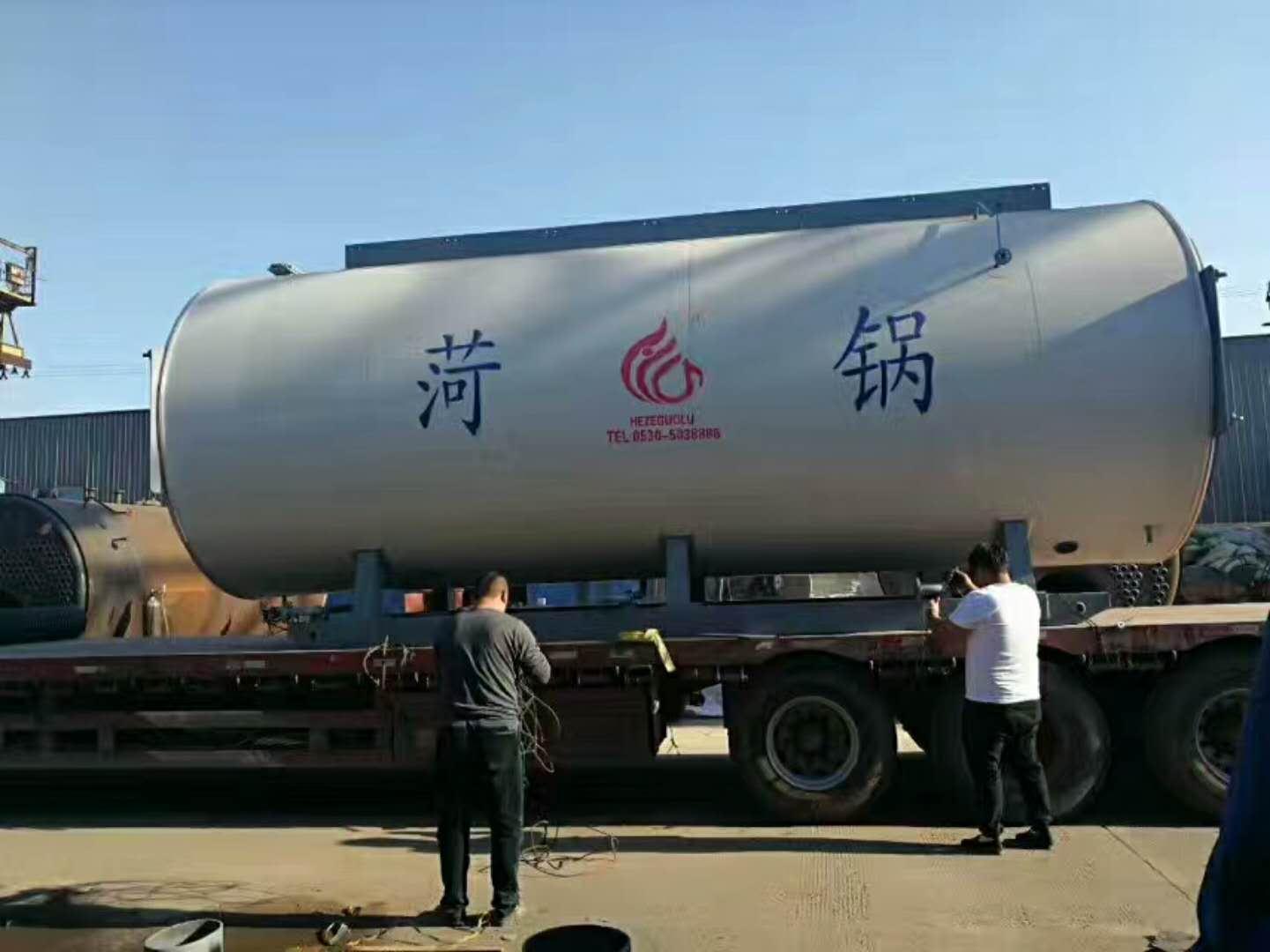
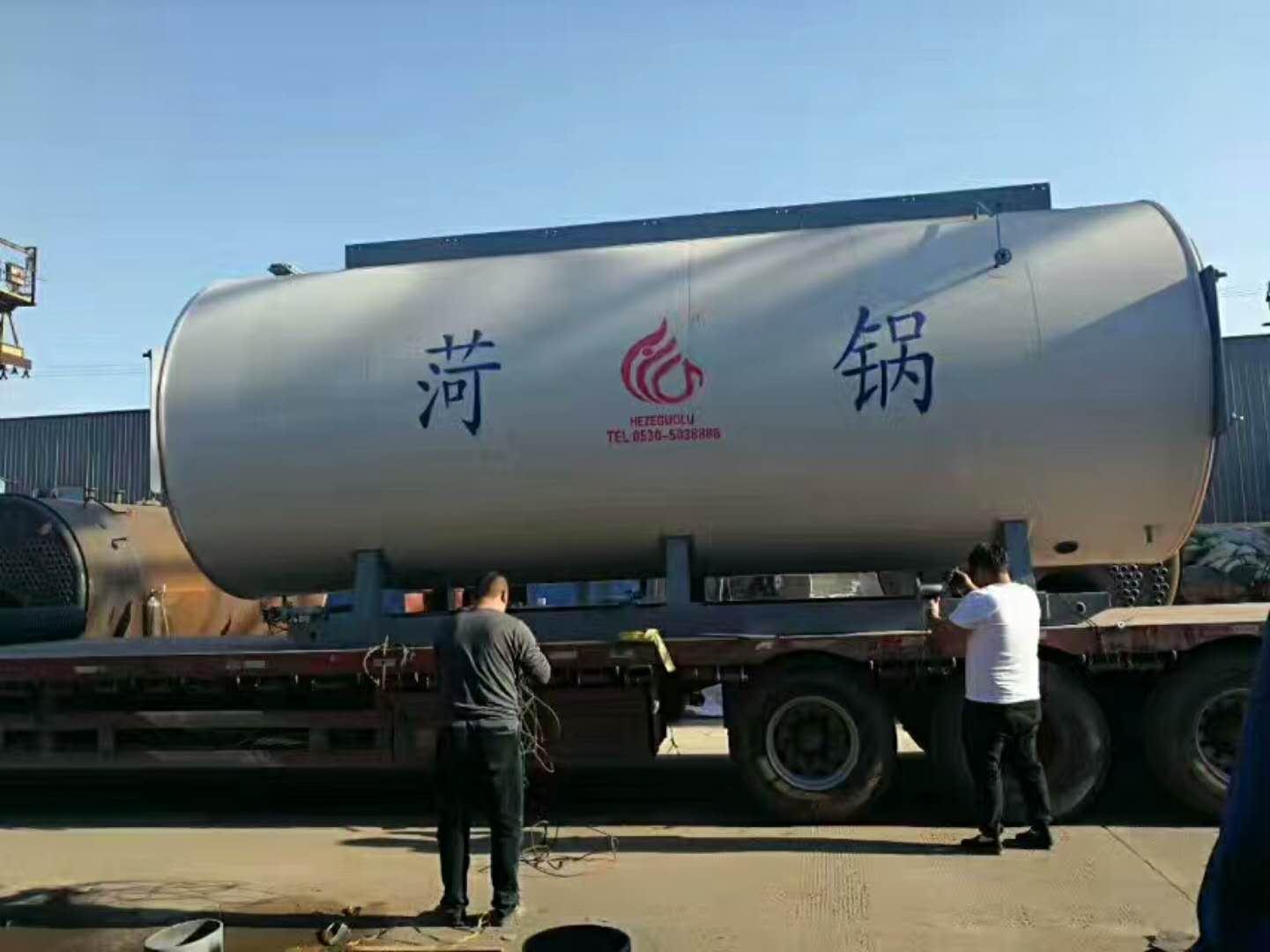
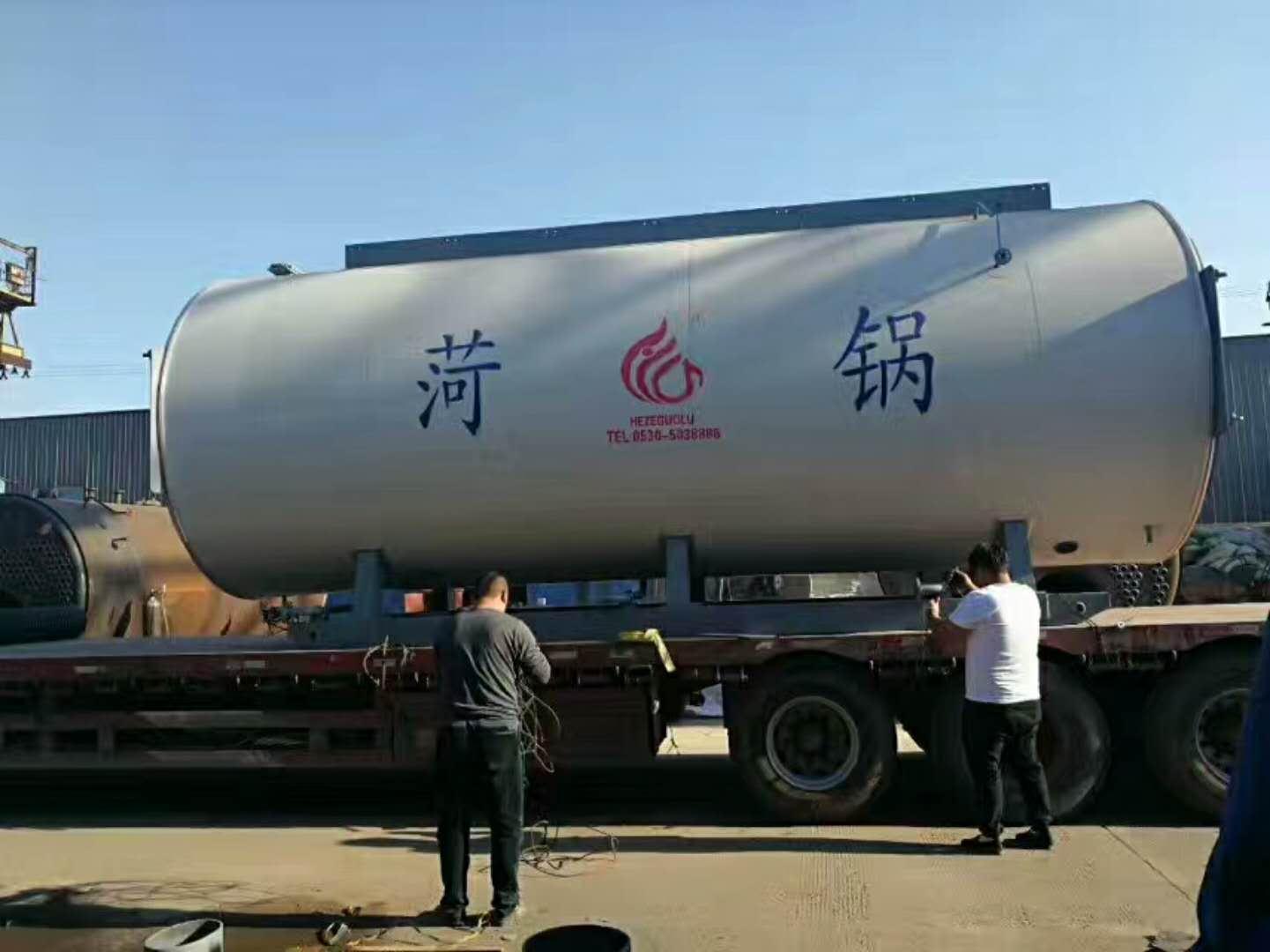
babjehec specializes in the production of natural gas tanks
Procedures for Operating Low-Temperature Natural Gas Storage Vessels
1.1 Introduction to Pressure Regulating Process at Terminal
Enclosed is a partial process flow diagram for the pressure regulating area, with the equipment to be operated numbered in the process flow diagram.
1.2 Pre-pressing Preparation
1.2.1 Tool Preparation
Explosion-proof wrench, two pairs of gloves, and two sets of protective equipment.
1.2.2 Pre-job Preparation
(1) Wear protective gear, including antistatic suits, static-resistant shoes, and safety helmets, etc.
(2) Ensure that devices prone to static electricity, such as smartphones and computers, are placed in a safe area. Check if the surrounding environment is secure and meets the operational requirements.
(3) Before entering, touch both hands to the static discharge device to release static electricity.
(4) Ensure all pressure adjustment tools, such as explosion-proof wrenches, are fully equipped.
(5) Inspect that the tank's pressure gauge, level gauge, thermometer, flammable gas detector, and safety valve are all operating normally.
(6) Inspect the pipeline valves, pressure gauges, and safety valves to ensure they are in normal working condition.
(7) Prepare all explosion-proof tools

Key Role in Energy Structure Adjustment
The relatively clean nature of natural gas has indeed accelerated its penetration into various fields, including daily life and corporate operations, with continuous growth in market demand across regions. The National Energy Administration has published articles stating that under the increasingly tight constraints of resources and the environment, the green transformation of energy is becoming increasingly urgent, necessitating a significant increase in the proportion of natural gas. In June this year, the National Development and Reform Commission and the National Energy Administration, among 13 ministries and commissions, jointly issued "Opinions on Accelerating the Utilization of Natural Gas," which clearly outlines the gradual development of natural gas as one of the main clean energy sources in China's modern clean consumption energy system. According to statistics from the National Development and Reform Commission, from January to October this year, China's natural gas production reached 121.2 billion cubic meters, up 11.2% year-on-year; the import volume of natural gas was 72.2 billion cubic meters, up 27.5%; and the consumption volume was 186.5 billion cubic meters, up 18.7%.
High Peak introduces that with the continuous increase in China's natural gas consumption level, imported natural gas has become one of the important sources of China's natural gas supply. According to customs statistics, from January to October this year, China's natural gas imports reached 54.165 million tons, a year-on-year increase of 24.9%. Among them, gaseous natural gas was 25.073 million tons, up 5.9% year-on-year; liquefied natural gas was 29.092 million tons, setting a new historical high, with a year-on-year increase of 47.7%.
The increase in natural gas consumption has also witnessed the adjustment of energy structures in various regions. Taking Beijing as an example, according to the Beijing Statistical Yearbook, the total energy consumption in Beijing increased from 63.59 million tons of standard coal to 69.61 million tons of standard coal between 2010 and 2016. The proportion of coal consumption dropped from 29.6% to 9.8%, a decrease of more than 60%, while the proportion of natural gas consumption rose from 14.6% to 31.7%, an increase of nearly 50%.


