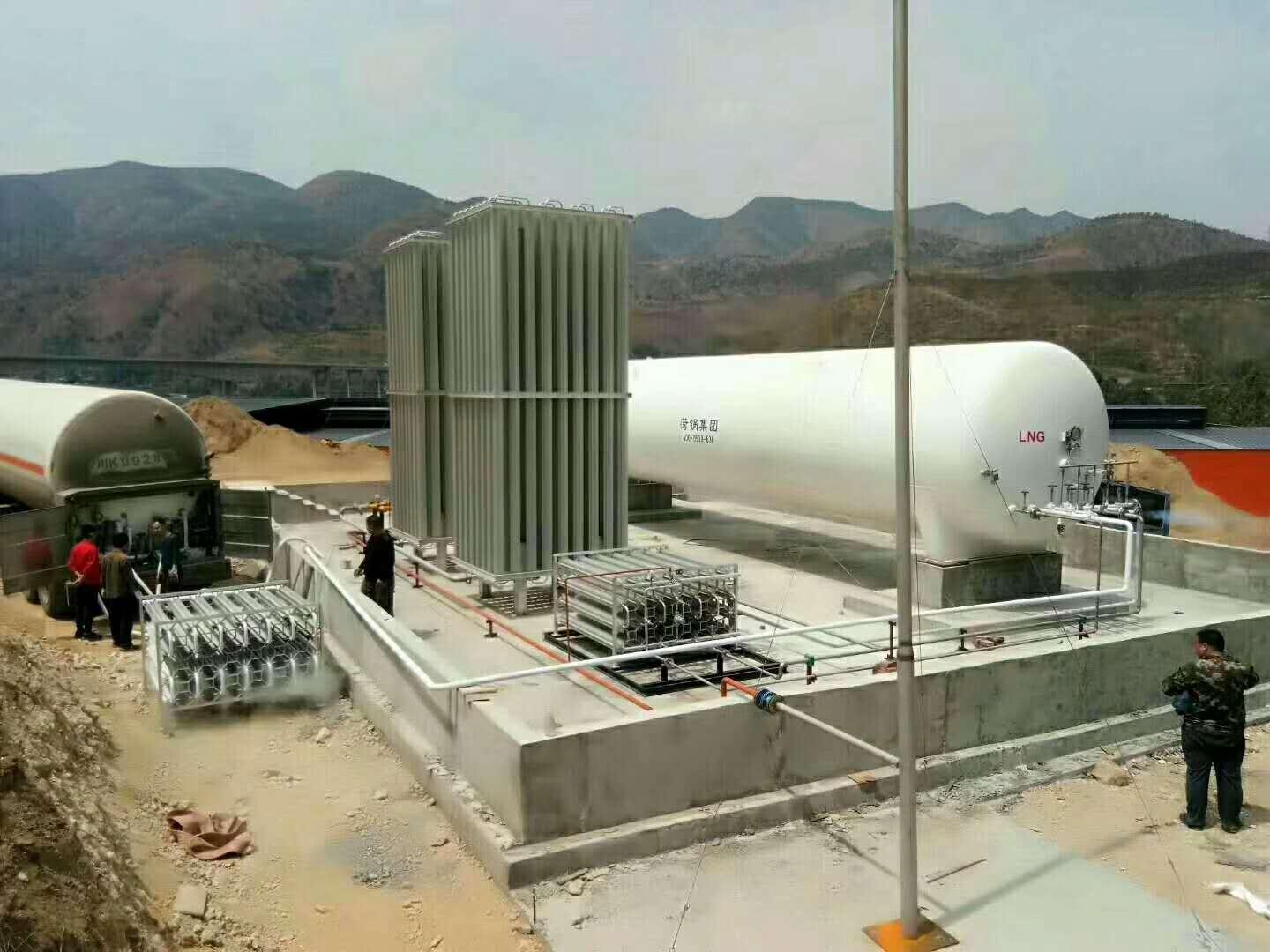
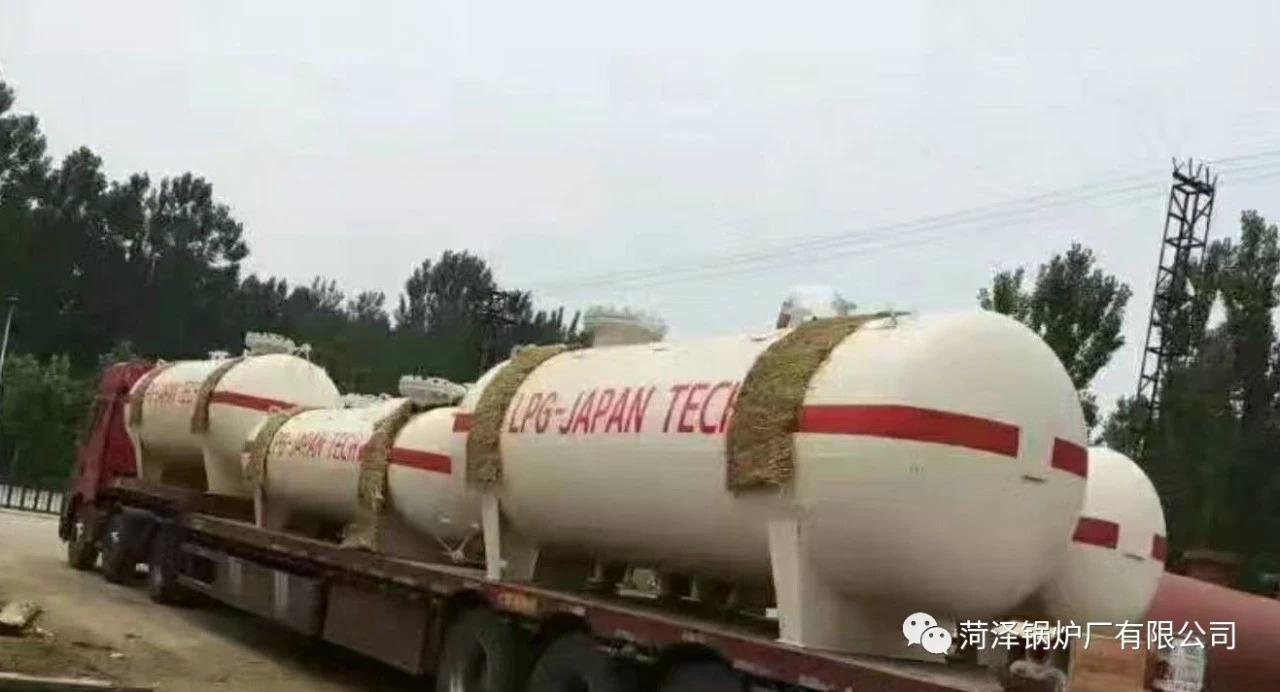
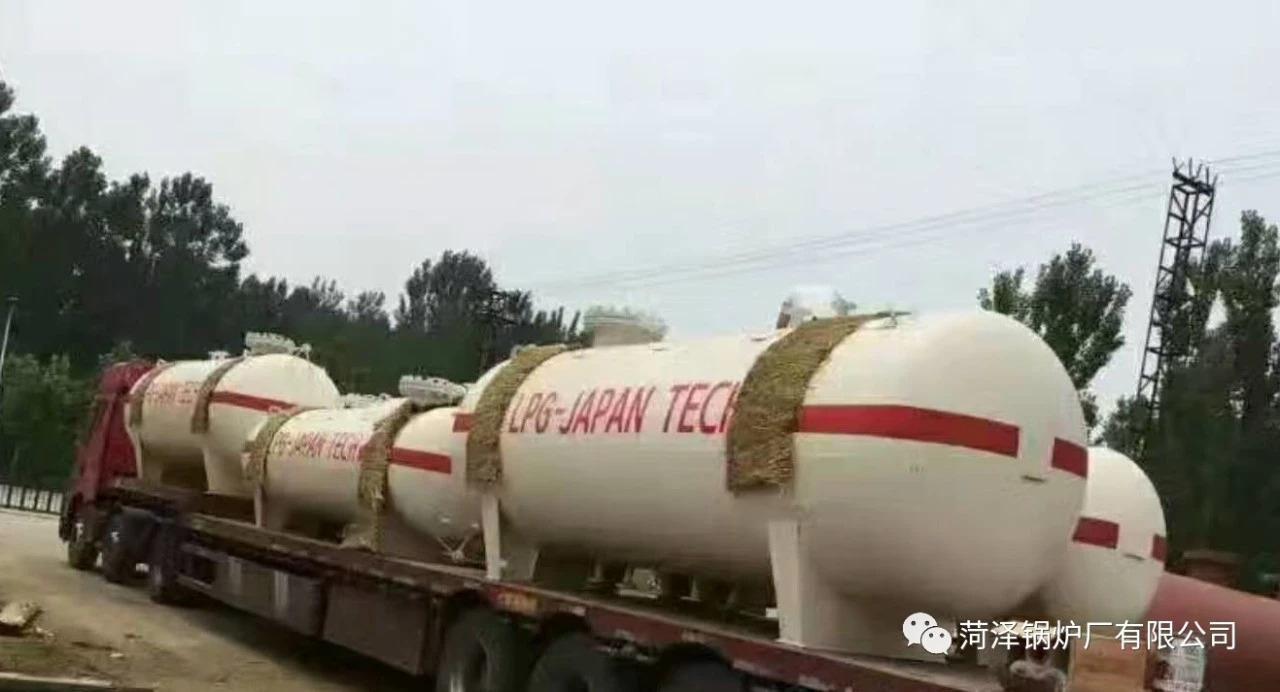
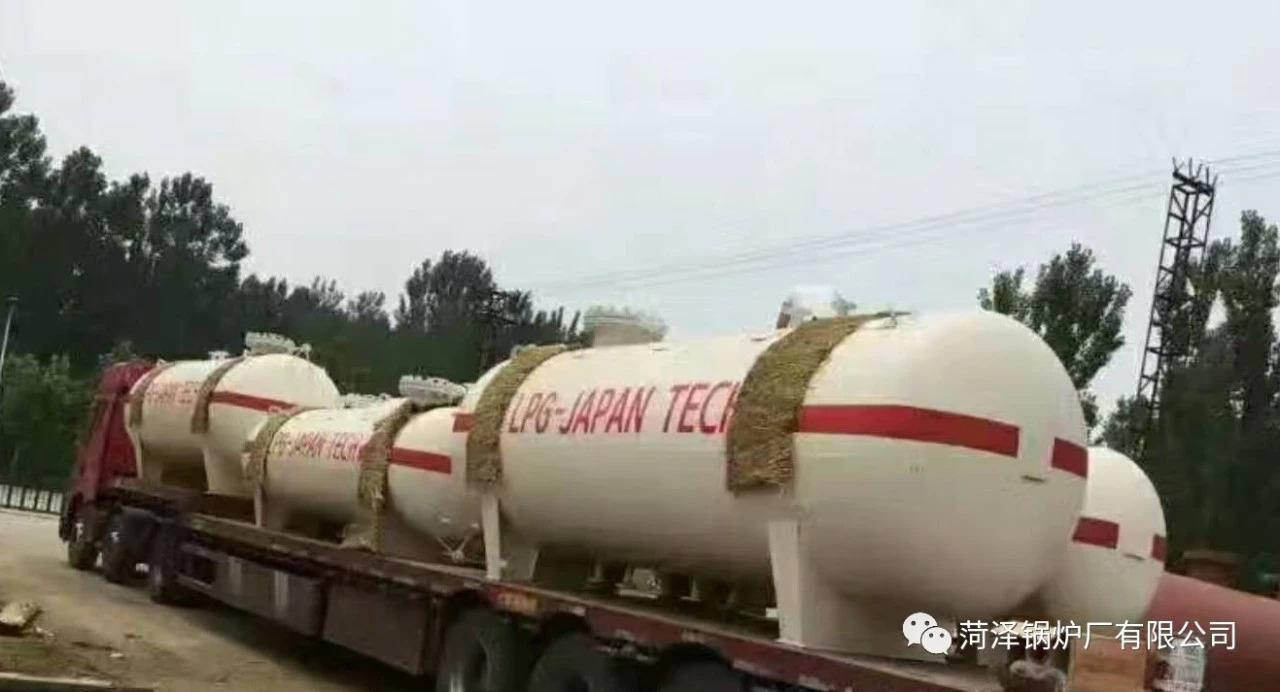
Where can I find LNG tank suppliers near Babjehec?
The utilization and development of natural gas are crucial for optimizing our country's energy structure and ecological civilization construction. Representatives from the National Development and Reform Commission, the Ministry of Environmental Protection, the Ministry of Finance, State Grid Corporation, the five major power groups, the three major oil companies, gas enterprises, the Development Research Center of the State Council, as well as numerous research institutions and professional trade associations, engaged in discussions to contribute wisdom to the promotion of China's natural gas utilization and development.

One of the advantages of natural gas - safety
The gas density of natural gas is half that of air. Compressed natural gas is lighter than air, highly volatile, and not easily explosive. Methane, ethane, and propane in natural gas are inherently non-toxic. In terms of safety, pipeline gas is superior to bottled gas. This is because pipeline gas utilizes a centralized storage and supply management approach at gasification stations, avoiding the safety risks associated with the scattered storage of bottled gas, liquefied natural gas tanks, and self-use in households. The indoor pressure of pipeline gas is only 1/130 of the water supply pressure and 1/170 of bottled gas pressure. The storage capacity of the gas pipeline itself is very small, approximately 1/3000 of bottled gas when calculated based on a 12-meter indoor pipeline per household. In case of leaks or fires due to other reasons, simply closing the main valve or the unit riser valve indoors can cut off the gas supply and mitigate the risk. In contrast, in similar situations, it is difficult to effectively close or remove the petroleum liquefied gas cylinder from bottled gas, which can easily lead to explosions.
Second advantage of natural gas - Economic
Economical and affordable is one of the advantages of natural gas, which is also a reason for the rapid nationwide adoption of pipeline natural gas. Compared to other fuel prices in the market, using pipeline natural gas can save at least 25% to 35% on monthly costs under the same usage volume (calorific value) compared to bottled LPG. This not only eliminates the expenses of purchasing and regularly inspecting steel cylinders but also the costs associated with transporting and replacing liquefied gas in daily life. The cost of using natural gas is more than 35% cheaper than electricity, and about 25% to 35% cheaper than diesel or heavy oil. The third advantage of natural gas – environmental friendliness Natural gas is composed of 98% methane, which is a simple molecule (CH4) consisting of one carbon atom and four hydrogen atoms.

LNG stands for Liquefied Natural Gas, a premium natural gas product primarily composed of methane. Known for its high calorific value, low pollution, and ease of storage and transportation, natural gas has become one of the preferred high-quality energy sources in modern society. LNG is produced by purifying and treating natural gas from gas fields, removing all impurities, and then cooling it to approximately -162°C under atmospheric pressure, condensing it into a safe, colorless, odorless, and non-toxic low-temperature liquid. It boasts high purity, safety, storage efficiency, and flexible transportation. Its volume is about 1/600th of the same amount of gaseous natural gas, and its weight is approximately 45% of the same volume of water.

Safety Advantages of LNG
Due to excellent physical and chemical properties, it is safe: with a higher ignition point, auto-ignition temperature at 590°C, narrow combustion range of 5-15%, lighter than air and easy to disperse. LNG will quickly heat up and vaporize upon leakage, and the gas density of the resulting natural gas is approximately half that of air, making it highly volatile but non-flammable. Methane has a relatively stable chemical nature and can burn quietly in air without supporting combustion.
Due to optimal storage conditions, safety is ensured: The tank material maintains its mechanical strength, such as tensile and compressive strength, low-temperature impact toughness, and thermal expansion coefficient, under low-temperature operating conditions. The foundation of the tank can withstand low temperatures from direct contact with LNG. The insulation material is non-combustible and has enough strength to withstand the impact of fire-fighting water, with a reliable safety protection system. Automotive LNG is stored in insulated containers at pressures ranging from 0.05 to 0.5 MPa, offering higher safety compared to the storage pressure of 20 MPa for CNG. The low-temperature vehicle bottles have undergone strict inspections, including high-temperature tests, impact tests, and vehicle simulation tests by the National Quality Supervision and Inspection总局. Even in the event of a traffic accident, LNG leakage is unlikely to occur.
Economic Advantages of LNG
High calorific value makes it economical. Compared to coal, natural gas, and liquefied petroleum gas, LNG boasts a higher calorific value and relatively stable prices, with less international impact. The calorific value of LNG is 12,000 kcal per kg, whereas good coal only has around 8,000 kcal per kg. An LNG vehicle of the same displacement can save approximately 20% in fuel costs compared to gasoline and diesel vehicles, and maintenance costs can be reduced by about 10%. Although there's a price difference of around 80,000 yuan between LNG heavy trucks and diesel trucks, the operating advantage over diesel vehicles is evident due to lower fuel expenses. The mileage equivalent of 1 cubic meter of LNG (after gasification) is equivalent to 0.95 liters of diesel (No. 0). According to calculations, a trailer can save approximately 80,000-140,000 yuan in fuel costs annually. A dump truck can save around 100,000 yuan in fuel costs annually.
Advantages of LNG Transportation
Low temperature, high gas-liquid expansion ratio, and high energy efficiency; easy to transport and store. Natural gas is piped and continuously supplied, with simple and easy-to-operate equipment. It is straightforward, convenient for long-distance transportation, and cost-effective. With the rapid development of the global natural gas industry, liquefied natural gas (LNG) has become an important part of international natural gas trade. Compared to ten years ago, the global LNG trade volume has doubled, showing a strong growth momentum.
Convenience advantages of LNG usage
Convenient due to the LNG refueling time. LNG refueling takes even less time than gasoline. Long-distance LNG buses equipped with two cylinders can safely travel over 1,000 kilometers, with each refueling taking only a few minutes.
Convenient due to LNG's power performance. LNG vehicles have no less power than diesel cars and offer longer driving ranges. A LNG truck equipped with two 450-liter gas cylinders can travel 800-1,000 kilometers.
Due to the well-developed LNG industry chain. China has established a complete technical and industrial chain for LNG vehicle development. Core technologies for natural gas engines and cryogenic vehicle cylinders are mature, with whole vehicle assembly, spare parts production, and maintenance technologies all meeting international standards.
The clean and environmental benefits of LNG
LNG is considered the cleanest fossil fuel on Earth, offering great environmental benefits.
Clean due to the chemical properties of the main component of natural gas. Compared to coal as a fuel, it can significantly reduce emissions of carbon dioxide, carbon monoxide, sulfur monoxide, sulfur dioxide, dust, and other hydrocarbon and nitrogen oxide compounds, as well as coal slag and other pollutants, which is conducive to a substantial improvement in environmental quality and brings about significant social benefits.
Cleaned due to the liquefied natural gas (LNG) production process. During the process of natural gas liquefaction, after being deeply cooled, it first passes through a gas-liquid separator to remove mechanical impurities and free liquid droplets from the gas; then, a raw gas heater utilizes MDEA to effectively absorb CO2 and H2S from the gas through full contact. Subsequently, processes such as decarbonization, dehydration, dehydrocarbonization, and de-mercury are carried out; a dust filter is also used to remove dust from the gas, along with other impurity removal processes. This results in -162°C LNG. Data shows that using engines that burn LNG reduces total emissions by about 85% compared to gasoline or diesel, with a reduction of 72% in hydroxides in car exhaust, 97% in CO, 39% in nitrogen oxides, 24% in CO2, 90% in sulfur dioxide, and 40% in noise. It is lead and benzene-free, and almost sulfur-free.