


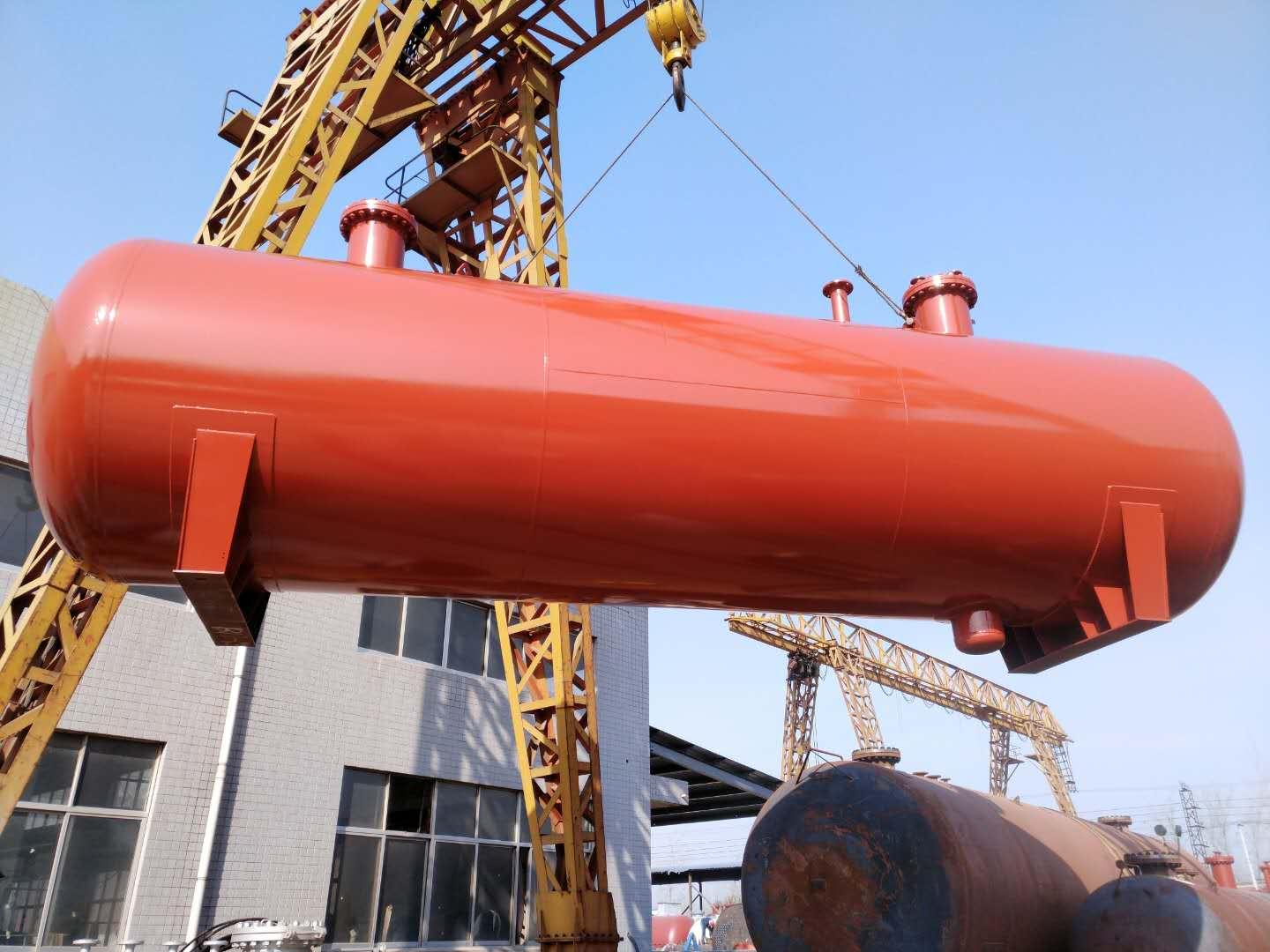
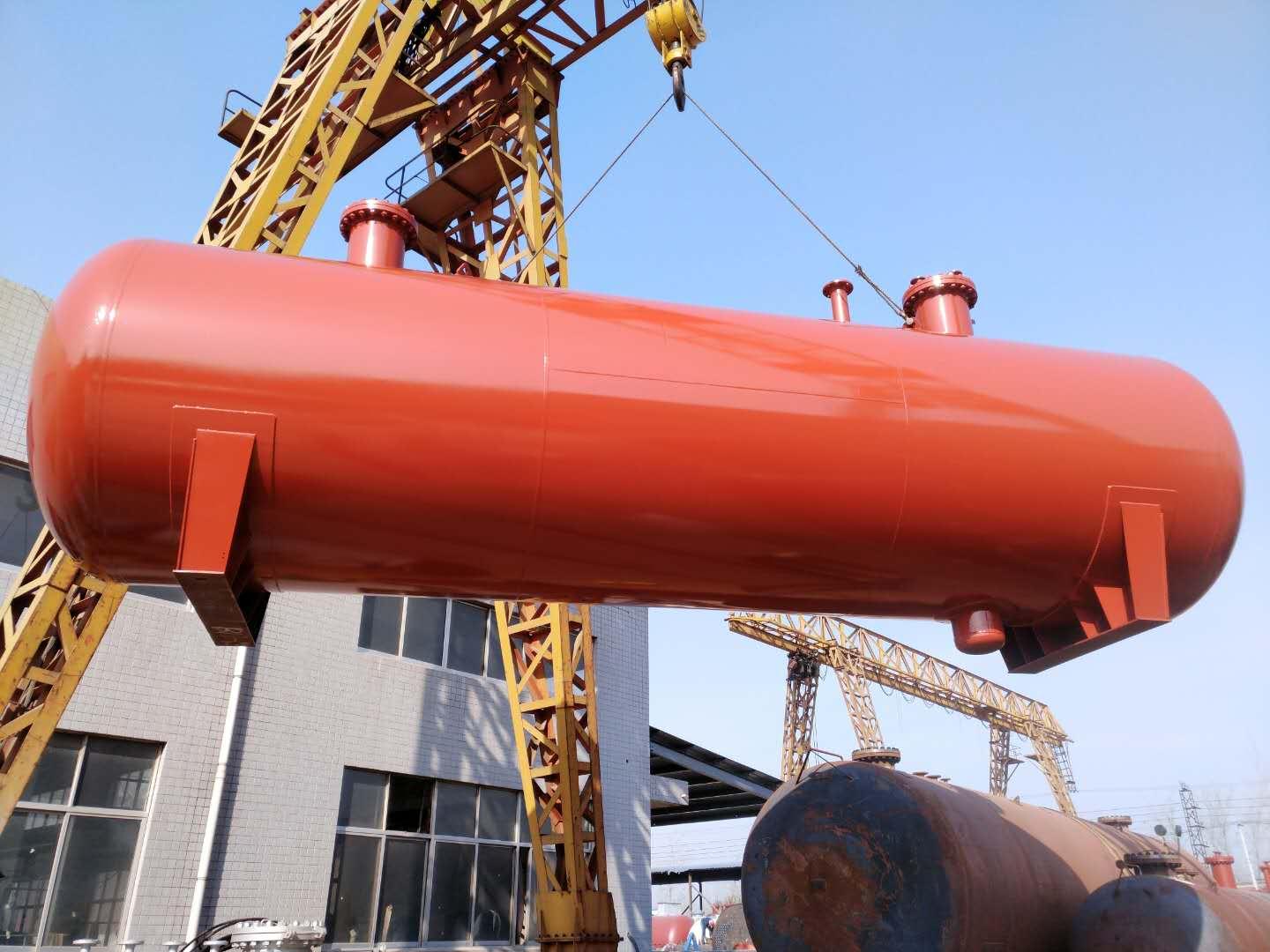
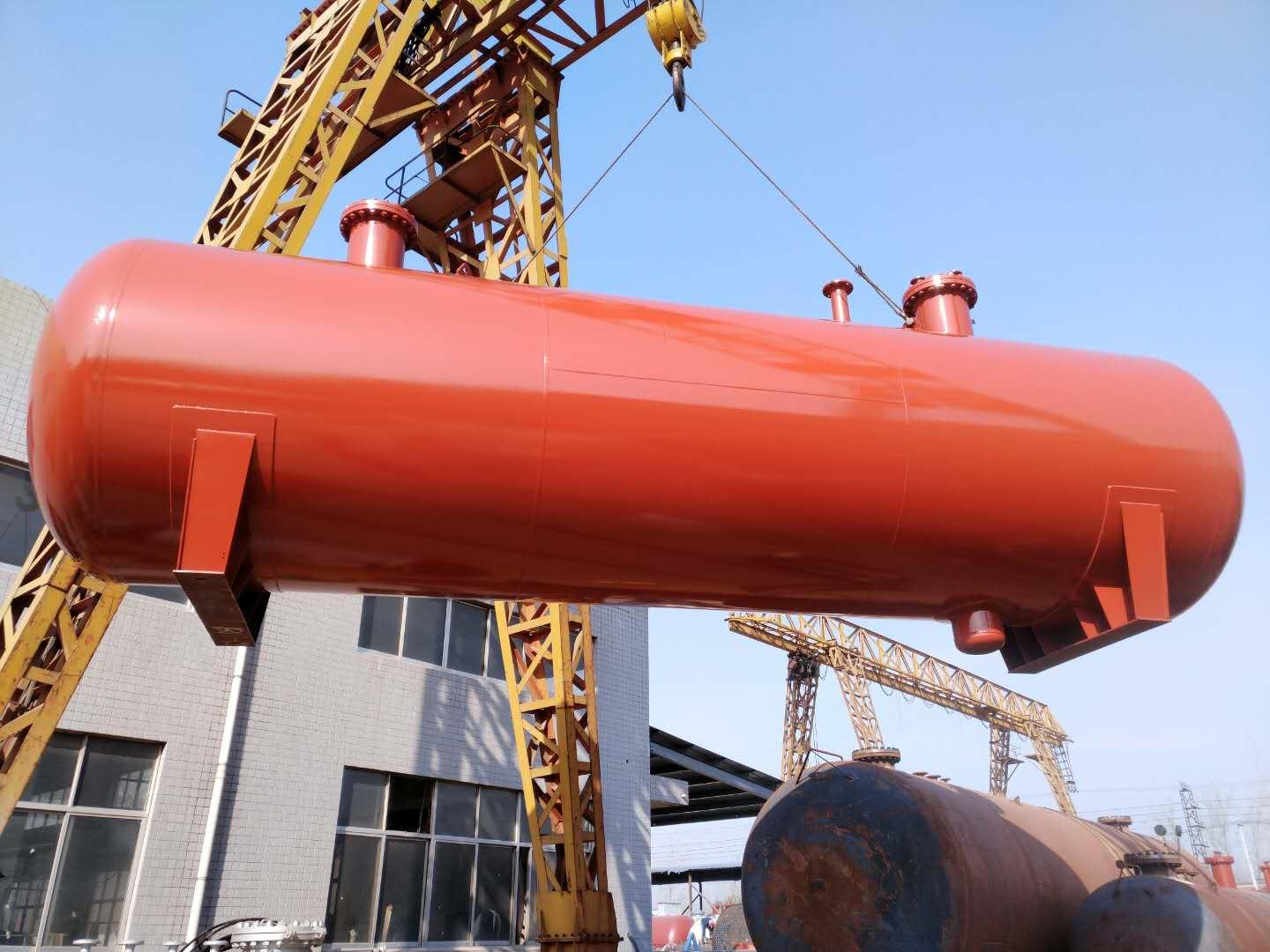
Babjehec specializes in manufacturing natural gas storage tank brands
Gas Storage Capacity and System Reform
"Alleviating the supply gap at its root and successfully achieving the natural gas supply targets as planned still requires accelerating the reform of the oil and gas sector, and improving the market mechanism design for aspects like gas storage." An industry expert frankly stated.
In August, the National Energy Administration's Petroleum and Natural Gas Department, among other departments, released the "China Natural Gas Development Report 2017," stating that compared to developed countries in Europe and America, China still lags significantly in the construction of natural gas pipelines and underground gas storage facilities. As of the end of last year, the pipeline mileage per 10,000 square kilometers of land area in China was approximately 70 kilometers, only 12% of the U.S., and the working gas volume of underground gas storage facilities was 6.4 billion cubic meters, accounting for only 3.1% of consumption, far below the global average of 10%. Han Xiaoping, the Chief Information Officer of China Energy Network, further explained that in Europe, the proportion of gas storage to consumption has reached 15%, while the United States and Russia, two major natural gas-producing countries, have reached 120 billion and over 70 billion cubic meters of storage respectively, accounting for 15.4% and 18.8% of consumption. The National Development and Reform Commission has also publicly stated that China's gas storage facilities have shown a slower construction pace and insufficient peak-shaving capacity, urgently requiring incentives for investment in gas storage facility construction to enhance the guarantee of natural gas supply.
Han Xiaoping stated that the production cost of natural gas is higher than coal, and the construction level of natural gas pipeline transportation still needs improvement, with a higher waste rate along the route than coal transportation. The profitability of natural gas enterprises is not ideal, and whether to continue subsidizing natural gas enterprises, and how to balance the earnings of natural gas enterprises with subsidies, are among the reform challenges faced by local governments.

Low-temperature storage tank structure:
A low-temperature storage tank is a compact storage device for low-temperature liquids, fully equipped with accessories (valves, safety systems, etc.). The tank consists of a carbon steel vacuum shell and a pressure vessel placed within it. It can operate under low to medium pressure as per actual design requirements. Explosion-proof discs and double-acting safety valves can protect the tank in case of overpressure. The safety relief device is designed to protect the internal pressure vessel and vacuum shell, with its usage and type determined by GB150 and the "Fixed Container Regulations." This includes a double-acting safety relief valve and explosion-proof disc assembly for protecting the internal pressure vessel, as well as an explosion-proof cover for protecting the vacuum shell (shell). The tank is designed and manufactured for safety, reliable operation, and durability (can operate without failure for many years). Strict adherence to proper safety and operational regulations is required when operating the tank.
High safety requirements. As the tank stores low-temperature liquids, in the event of an accident, the stored liquid would vaporize in large quantities, with the vaporization amount being approximately 300 times that of the refrigerated state, forming explosive gas clouds in the atmosphere. Therefore, specifications such as API and BS require tanks to be constructed with double-walled structures and utilize containment concepts. In the event of a leak in the first layer, the second layer can completely contain the leaked liquid and evaporated gas, ensuring storage safety.


