


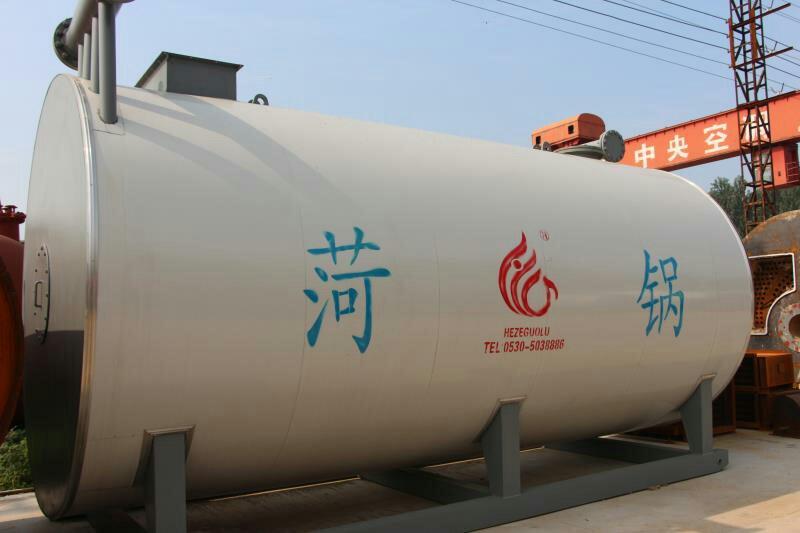
Who offers the best quality liquid gas storage tanks at Babjehec's special price?
Liquefied gas storage tanks have a wide range of applications. The placement of these tanks is a critical matter. When installing such tanks, many aspects must be taken into account. Failure to securely place these chemical storage tanks can be highly hazardous, leading to chemical spills and severe corrosion of the tanks, causing various issues. When storing chemical items, users must pay attention to the following:
1. Ensure safe placement without affecting nearby residents and businesses. The location for placing liquefied gas storage tanks must be carefully selected, undergoing risk and quantitative analysis. When placing containers for storing chemical items, it is crucial not to severely impact surrounding residents or businesses, nor disrupt their daily lives. The placement of the tanks must maintain a certain distance from residential areas to ensure they are out of the affected range before proceeding with the tank placement. 2. Comply with meteorological and geological conditions. When placing liquefied gas storage tanks, it is essential to meet local requirements for meteorological and geological conditions, pay attention to safety during thunderstorm seasons, and consider whether the area is prone to severe earthquake disasters. Safety must be a top priority when storing chemical items. With land resources dwindling, using ground space for chemical storage equipment is a significant land occupation. Therefore, choosing to store chemical items underground in tanks is an excellent option. Underground placement not only saves resource utilization but also avoids environmental pollution, offering numerous advantages.

Increasing numbers of companies require the use of liquefied gas storage tanks. Steel storage containers are specialized equipment for storing various liquids or gas raw materials. Many businesses cannot operate normally without storage tanks for energy, especially when stockpiling various supplies, which rely on storage containers of various types and capacities. Most oil storage facilities are above ground and are predominantly metallic structures. The uses of liquefied gas storage tanks are extensive, as these tanks are needed in various enterprises. Oil tanks, as storage equipment, are used for oil and gas pipeline transportation. The storage tanks used at the first station of the oil pipeline are for storing oil and ensuring a stable oil flow. The storage tanks at the terminal stations are mainly used for receiving and storing oil. Oil is supplied to consumers through these tanks. The majority of plastic storage tanks require molding and processing techniques. During the molding process, molds are under high pressure, utilizing widely applied compression molding, extrusion, and molding to become storage devices. Large components produced by molding processes must withstand significant pressure, necessitating robust design and manufacturing of molding equipment, which is challenging and costly. Corrosion-resistant liquefied gas storage tanks use rotational molding technology. These tanks demand high strength in the frame, which must support the material, the mold, and the frame's own weight to prevent leakage. Even for large or extra-large rotational molding storage tanks, the production of corrosion-resistant storage tanks does not require heavy equipment or molds. The processing and manufacturing of molds are particularly convenient, with lower production costs and shorter cycles.


