


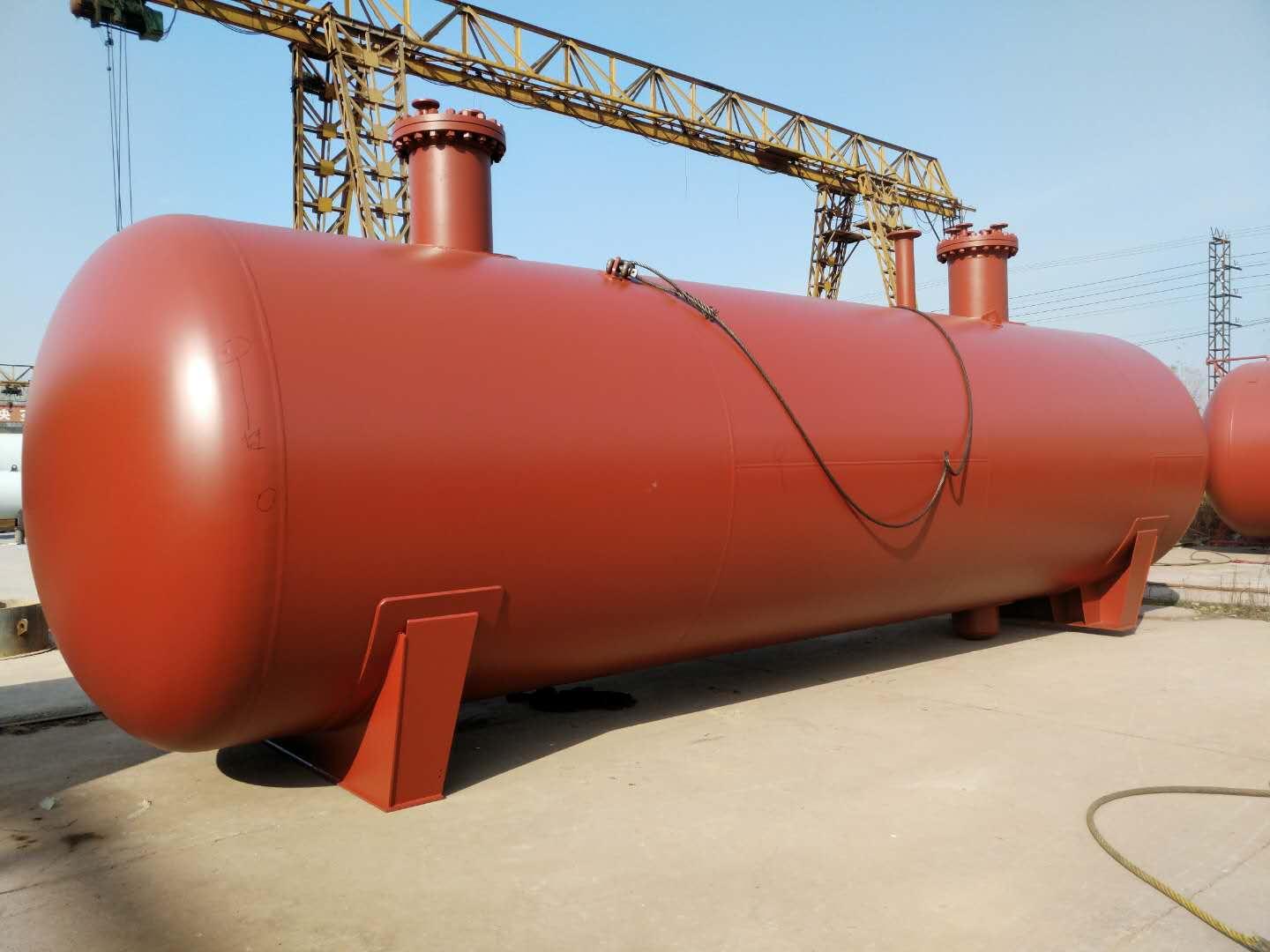
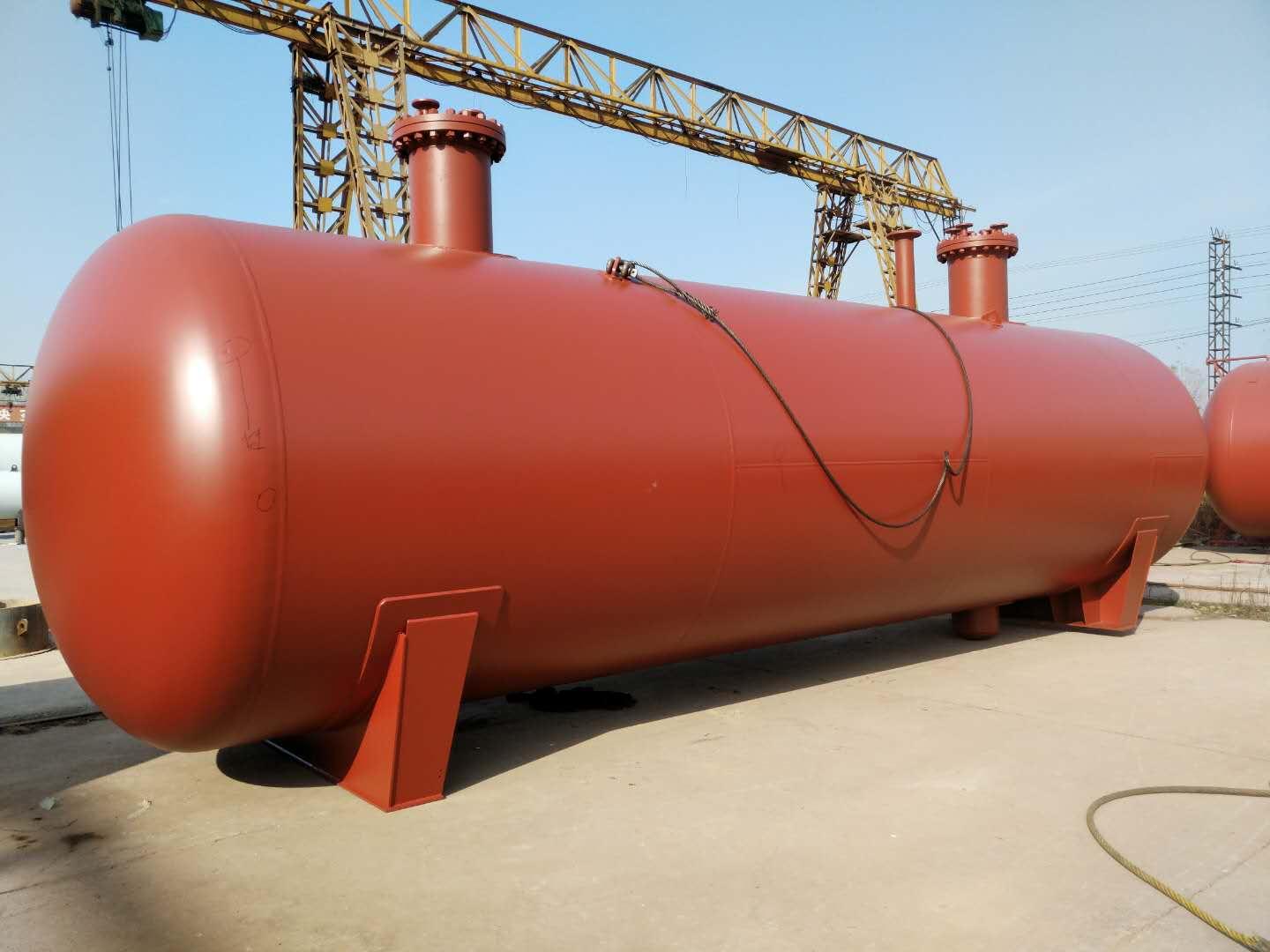
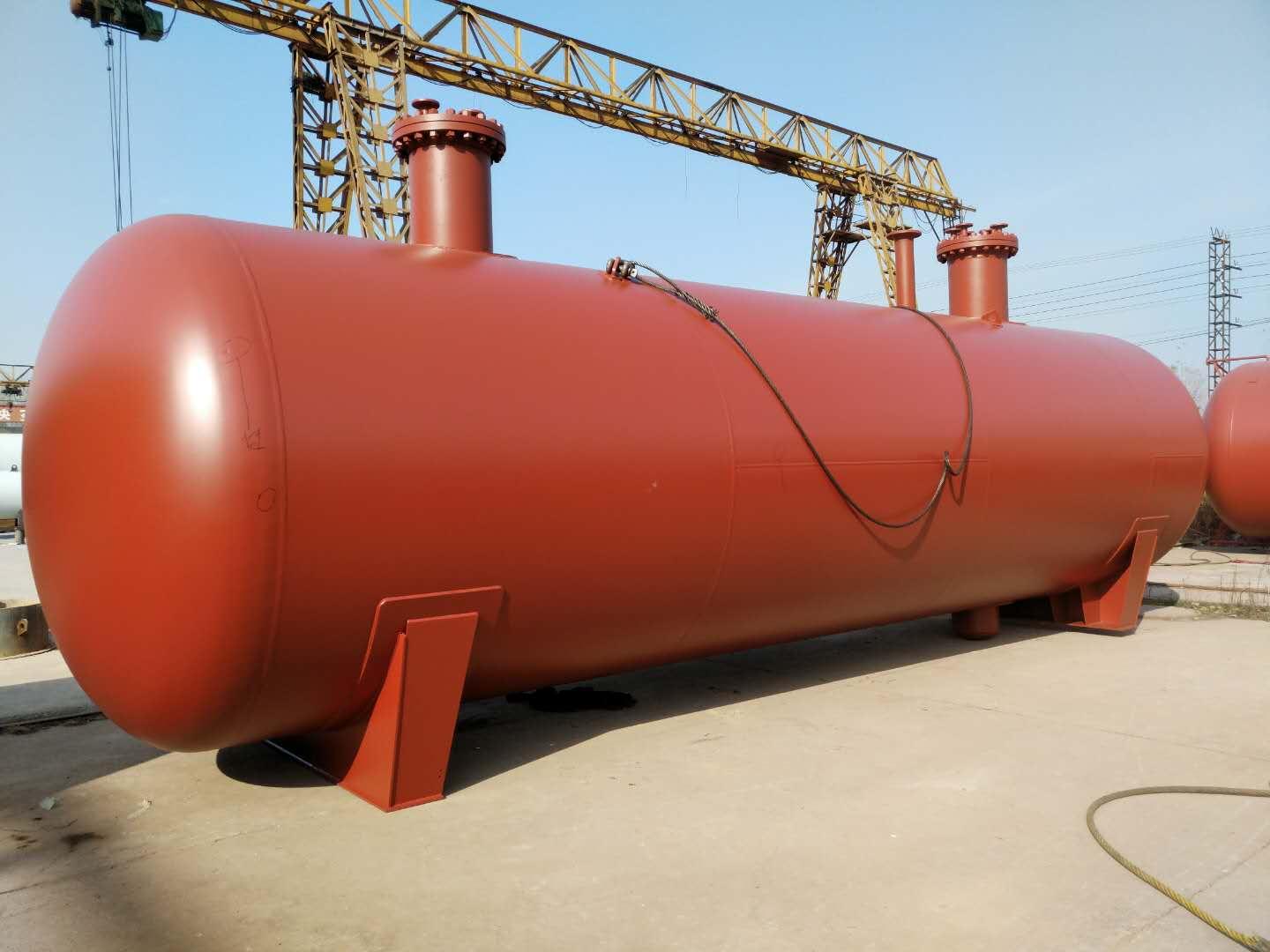
Babjehec Professional Natural Gas Storage Tank Company
Following the National Development and Reform Commission, the Ministry of Environmental Protection and the Ministry of Commerce have also successively expressed their views on addressing the natural gas supply gap from their respective perspectives. On December 7th, Beijing Business Journal reporters learned from the industry that the Ministry of Environmental Protection has issued an urgent document to the "2+26" cities in the Beijing-Tianjin-Hebei region and surrounding areas, titled "Letter on Preparing for Comprehensive Treatment of Small Coal to Ensure the Warm Winter for the Public." It clearly states that for coal-to-gas (electricity) projects not yet completed and local areas, the past coal-burning heating methods or other alternative methods should continue to be used. Meanwhile, at the Ministry of Commerce's regular press conference on the same day, spokesperson Feng Gang also made it clear that China actively supports enterprises in diversifying their imports of overseas natural gas resources. However, in the industry's view, the slow progress in the construction of gas storage facilities and the entire oil and gas system reform process are the core issues that China needs to face in the natural gas supply process.
Jointly ensure supply
As China continues to advance its energy structure adjustment, natural gas' role in energy consumption is increasingly reinforced, and its share in heating and power supply processes is continuously expanding.
However, the document issued by the Ministry of Ecology and Environment also points out that recently, during the verification process, the Ministry has found that some regions are facing issues of tight natural gas supply during the heating season. Therefore, the document states that in the promotion of coal-to-gas projects, completed projects and local authorities must ensure stable supply and pricing of natural gas and electricity.
On the same day, Fenggang also clarified his stance on ensuring natural gas supply from the import perspective, "Our country attaches great importance to the guarantee of natural gas supply and actively supports enterprises in increasing domestic natural gas production while diversifying imports of overseas natural gas resources." Fenggang stated that with the completion and operation of new cross-border natural gas pipelines and coastal liquefied natural gas receiving stations, our country's import capacity and level of natural gas is expected to further improve.
On the other hand, the National Development and Reform Commission (NDRC), the department in charge of pricing, has also begun to tighten its strict supervision over natural gas supply prices. Data shows that the price of liquefied natural gas at the factory level in our country has surged sharply in the short term, even reaching a historical peak of 9,400 yuan/ton on December 1st. According to the National Bureau of Statistics, the market price of this product was only 4,337 yuan/ton at the end of October. Beijing Business Journal reporters learned from the industry that the NDRC has issued a notice to local NDRCs (Price Bureaus) titled "Notice on Deploying a Liquefied Natural Gas Price Law and Policy Reminder and Warning Meeting," explicitly reminding and warning liquefied natural gas enterprises and relevant social organizations to: abide by price laws and regulations, maintain industry price order, refrain from fabricating and spreading price increase information, from malicious hoarding and price gouging, from abusing market dominance, and from entering into monopolistic agreements, etc.

1.2.3 LNG Storage Tank Gas Supply Process:
All valves on the tanks to be pressurized, except for the root valve and the emergency shutdown valve, are in the closed position.
2. Open the low-temperature tank bottom inlet valve and the liquid phase, vapor phase pressure boosting valves, and verify that both the inlet and outlet valves of the pressure boosting gasifier are open.
3. Open the low-temperature cutoff valve before the gasifier, the normal temperature flanged ball valve after the gasifier, and all valves required to be opened in the pressure regulating system.
4.A. When the gas supply rate is less than 1000-2000 Nm3/h, a single storage tank can meet the gas supply requirements.
5. Output Fluid
5.1 When the tank pressure exceeds the outlet pressure by more than 0.15 MPa, slowly open the liquid outlet valve to initiate the gas supply operation.
5.2 Record the liquid storage tank number and the start of gas supply time.
5.3 Pay close attention to the liquid level, pressure changes, and the flow and pressure variations at the outlet of the storage tank during gas supply.
1.2.4 LNG Storage Tank Self-pressurization Operation Procedure
1. When manually operating, open the valves: the boost liquid phase valve, the boost gas phase bypass valve, and the liquefied gas receiver inlet valve, allowing LNG to flow directly into the self-boosting gasifier. After vaporization, it enters the LNG storage tank. At this point, closely monitor the pressure; close the boost liquid phase valve when the pressure in the LNG storage tank reaches the desired level.
2. Important Notes:
(1) During the operation of an LNG low-temperature storage tank, the upper liquid level must be ≤90% and the lower liquid level must be ≥15%.
(2) When manually operating the self-pressurizing system, it is strictly prohibited to leave the scene unattended.
(3) When the self-pressurizing system is in operation, the pressure-reducing system should be in the off position.
3. Cautionary Notes:
(1) During operation, the LNG tank must maintain a liquid level of ≥15%.
(2) When operating manually, the site must be kept unattended.
1.2.5 Risk Analysis and Countermeasures
When loading and unloading LNG tankers, operators should wear face masks, static-resistant work clothes, and antifreeze gloves, etc.
2) During LNG tanker unloading, the vehicle must not move to prevent the disconnection of the loading and unloading hoses, which could lead to a large LNG leak.
3) When LNG is inside the pipeline, the valves at both ends cannot be closed simultaneously.
4) Absolutely no touching or stepping on low-temperature pipelines and equipment.
6) Under no circumstances shall moisture, oil, mechanical impurities, etc., enter the pipeline to prevent blockages.
7) No敲打、fire heating or water spraying on the frozen parts is permitted.
8) To ensure the safety of the working environment, operators must wear protective gear. Static electricity from the human body must be neutralized before entering the station. Open flames are strictly prohibited within the station's operational area, as well as the use of non-explosion-proof tools and electronic devices.
9) Strictly adhere to the operation ticket system, following the steps outlined in the ticket. On-site operators must have at least two people: one to perform the operation and another to supervise, ensuring operational safety.
10) Conduct safety education before operation, implement proper on-site safety precautions, and know how to evacuate and control emergencies in case of danger.


