Superior Babjehec LNG Storage Tank Supplier
Carbon Dioxide Storage Tank
1 Overview
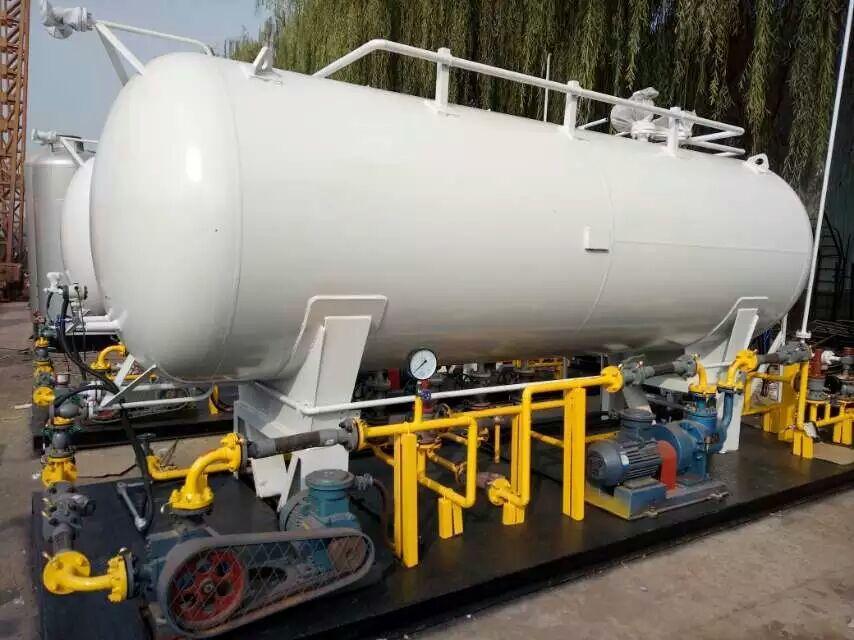
The low-temperature liquid carbon dioxide storage tank is a double-wall container consisting of an inner and outer vessel. It features vacuum powder insulation and is available in both vertical and horizontal configurations. The inner vessel is made of 16MnDR material, while the outer vessel can be selected as Q235-B or 16MnR depending on the user's location. The space between the inner and outer vessels is filled with insulation material, pearl sand, and vacuumed. (Available in vertical and horizontal types)
2 Uses
Storage: Liquid Carbon Dioxide (LCO2)
3 Thermal Insulation Performance
Insulation materials use pearl-like sand filling in the sandwich layer under heat conditions and vacuum extraction. After the sandwich layer is sealed, the standard vacuum degree is:
Effective Volume: ≤ 10m³ with vacuum ≤ 2Pa, > 10m³ and ≤ 50m³ with vacuum ≤ 3Pa, > 50m³ and ≤ 100m³ with vacuum ≤ 5Pa. Achieved through exquisite technology, unique filling process, and quality assurance commitment, for optimal insulation performance.
4 Security Technical Features
The low-temperature liquid carbon dioxide storage tank utilizes a "combined, safety system valve" that employs two safety valves operating simultaneously. During regular safety valve inspections, one side can be shut down while the other continues to operate, ensuring the safe operation of the tank.
5 Operating Systems
The tank container is equipped with a pressure gauge, differential pressure level gauge, and a level reference chart at the top, allowing for real-time monitoring of the stored volume and pressure changes, facilitating operations during filling and draining.
6 Detection System
The lower section of the tank is equipped with a dedicated vacuum detection system, vacuum gauges, and vacuum valves. The interlayer vacuum can be regularly or immediately checked with a vacuum gauge to ensure the safe operation of the tank.
7 Technical Specifications
Design Pressure: 2.3 MPa
Working Pressure: 2.16 MPa
Design Temperature: -40 °C
Operating Temperature: -20°C
Valid Containers: 5m3, 10m3, 15m3, 20m3, 30m3, 50m3
Liquid Oxygen Storage Tank
Overview
This series of low-temperature storage tanks are double-layer fixed vacuum powder insulation tanks (storage tanks). The inner shell is made of stainless steel (with 16MnDR for CO2 storage tanks), and the outer shell is made of Q235B or 16MnR. Surface anti-corrosion coating is applied through sandblasting, sweeping, and spraying processes, along with a two-component rapid curing liquid paint.
Application Scope and Features
Primarily used for low-temperature storage of liquefied oxygen, nitrogen, argon, carbon dioxide, and other gases. One cubic meter of liquid can replace 130 gas cylinders. It can eliminate the daily round-trip transportation of gas cylinders, saving substantial human and material resources. Widely used in industries with high gas consumption such as the gas industry, hospitals, and metal smelting, it is the best product for centralized gas supply. It features a long service life, compact structure, minimal land use, centralized control, and easy operation.
2 Product Model
5 cu ft, 10 cu ft, 15 cu ft, 20 cu ft, 30 cu ft, 50 cu ft, 100 cu ft
Technical Data
Maximum Working Pressure: 1.6 MPa
Maximum working pressure of CO2 storage tank:


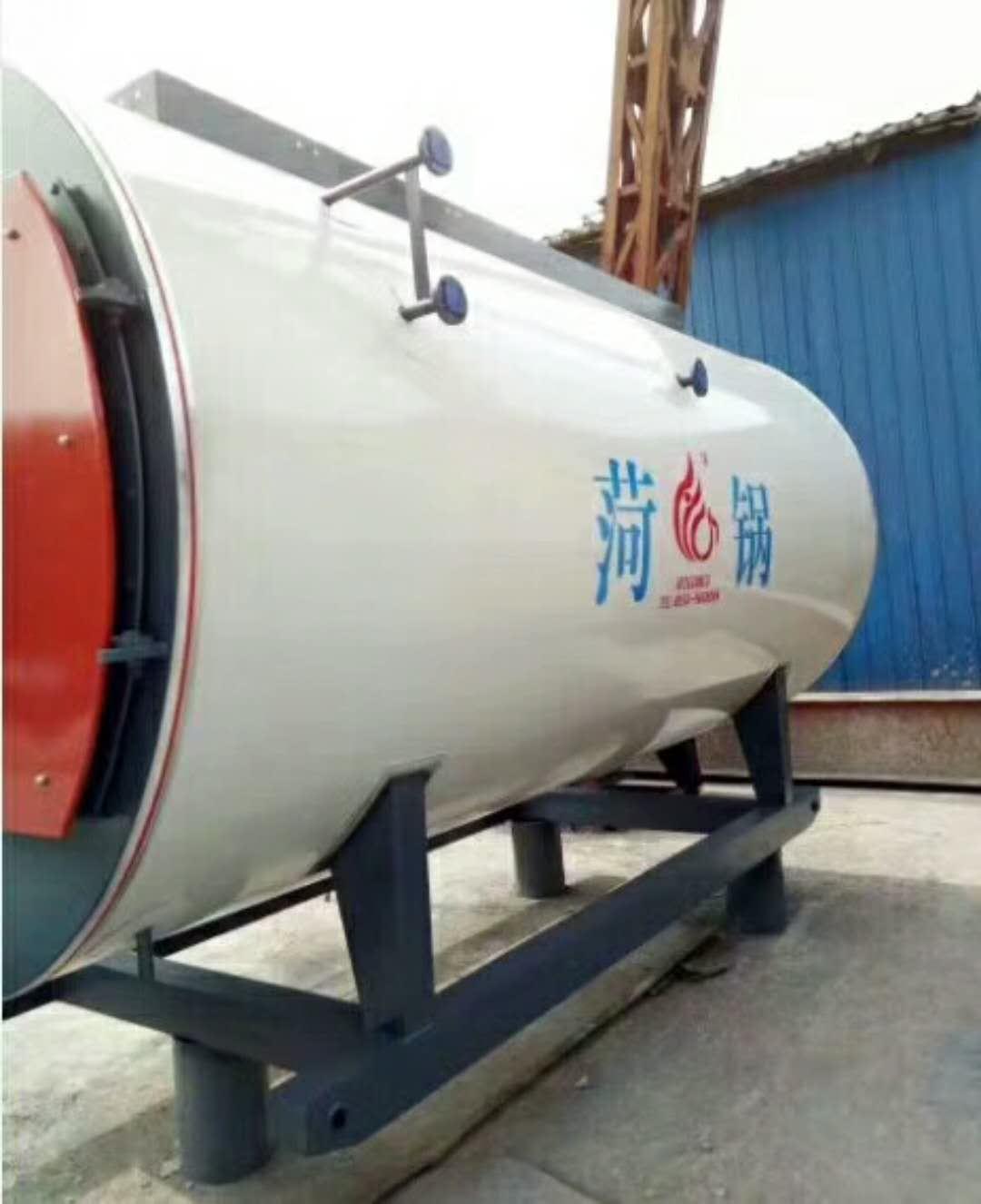
Heze Boiler FactoryLimited Company
Equipment Name: Natural Gas Storage Tank - Liquefied Natural Gas Storage Tank - Natural Gas Storage Tank (Function Description)
Contact Information: AtManager
Manufacturer:Heze Boiler FactoryLimited Company
This article analyzes the hazardous characteristics of low-temperature liquids and, in conjunction with various gas supply modes for low-temperature storage tanks, briefly outlines their basic requirements and key safety usage points.
An LNG storage tank is a jacketed vacuum powder-insulated pressure vessel specifically designed for storing and supplying low-temperature liquefied gases (such as liquid nitrogen, liquid oxygen, liquid argon, liquid carbon dioxide, etc.). It has been widely used in industrial production and daily life.
1. Analysis of Low-Temperature Liquid Hazards
Low-temperature liquids possess hazardous characteristics such as low boiling points, high expansiveness, strong asphyxiating properties, and strong oxidizing capabilities.
1.1 Boiling points of low-temperature liquids at a pressure of 101.3 KPa: Liquid nitrogen at -196°C, liquid oxygen at -183°C, and liquid argon at -186°C. Contact with the human body can cause severe frostbite to the skin and eyes. In cases of minor leakage of low-temperature liquids or internal leakage in valves and pipes, they absorb heat from the surrounding environment, causing rapid condensation and frost formation at the leakage point, which can freeze severely.
Low-temperature storage tank
1.2 Low-temperature liquids absorb surrounding energy due to high heat or large leaks, causing their volume to expand rapidly upon vaporization. Under 0℃ and 101.3 KPa pressure, the volume of gases resulting from the vaporization of 1L of low-temperature liquid are: nitrogen at 674L, oxygen at 800L, and argon at 780L. In sealed containers or pipelines, the increase in internal pressure due to the vaporization of low-temperature liquids can easily lead to overpressure explosions.
1.3 In the environment around low-temperature storage tanks, liquid leaks can easily vaporize and form rich gas areas. High concentrations of nitrogen, argon, or carbon dioxide can极易 lead to asphyxiation injuries. Additionally, high oxygen concentrations can also cause hyperoxic injuries.
1.4 Oxygen is a powerful oxidizer with extremely strong oxidizing properties. Liquid oxygen, when in close proximity to combustible materials, is highly flammable upon contact with an open flame; it can easily produce explosions due to vibrations or impacts when in contact with combustibles; and mixing with combustibles poses a potential explosive hazard. Liquid oxygen can adhere to clothing and fabrics, and upon contact with an ignition source, it can cause a flash fire, posing a risk to personal safety.
2. Low-temperature Storage Tank Gas Supply Mode and Basic Requirements
According to the application and user requirements, the gas supply mode of low-temperature storage tanks mainly varies.
We offer: high-pressure cylinder refilling, low-temperature insulated cylinder packaging, centralized gas supply through pipelines, and low-temperature liquid spray supply, etc.