


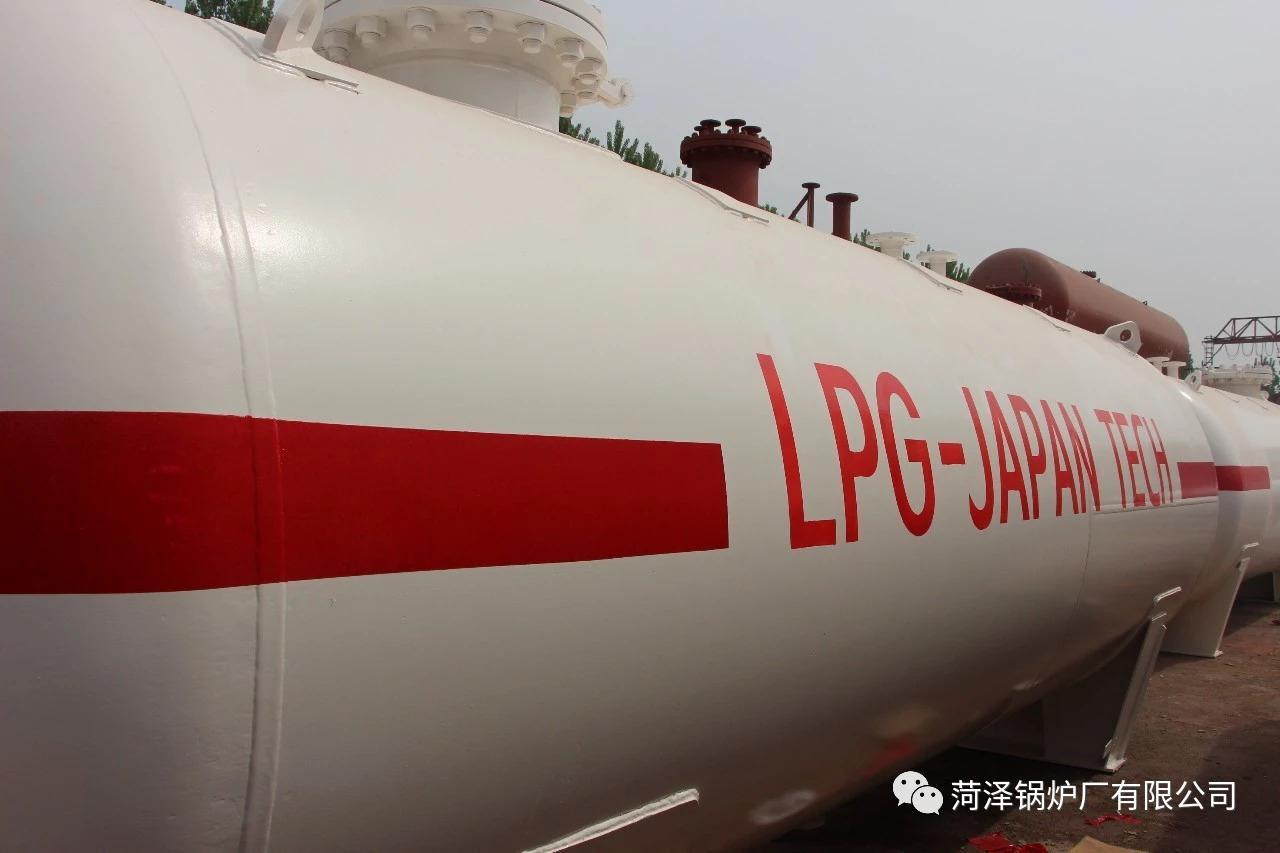
Cautionary Notes for Using Natural Gas Storage Tanks: They are jacketed vacuum powder-insulated pressure vessels used for storing and supplying low-temperature liquefied gases, widely applied in industrial production. Analysis of the hazardous characteristics of low-temperature liquids: They have low boiling points, high expansibility, strong asphyxiating properties, and strong oxidizing properties. Boiling points at 101.3 KPa: Liquid nitrogen at -196°C, liquid oxygen at -183°C, and liquid argon at -186°C. Contact with the human body can cause severe frostbite on the skin and eyes. In case of minor leaks or internal leaks in valves and pipes, low-temperature liquids absorb heat from the surrounding environment, causing rapid condensation and frost formation at the leak point, which can lead to freezing in severe cases. When exposed to high heat from the surrounding environment or large-scale leaks absorbing nearby energy, the volume of low-temperature liquids can expand rapidly due to quick vaporization. At 0°C and 101.3 KPa pressure, the volume of gases produced from 1L of low-temperature liquids upon vaporization: nitrogen at 674L, oxygen at 800L, and argon at 780L. Inside sealed containers or pipes, the increase in internal pressure due to the vaporization of low-temperature liquids can easily lead to overpressure explosions. In the surrounding environment of low-temperature liquid storage tanks, the vaporization of leaked low-temperature liquids can easily form rich gas areas. High concentrations of nitrogen, argon, or carbon dioxide can cause asphyxiation injuries. Additionally, high oxygen concentrations can lead to oxygen-rich injuries. Oxygen is a strong oxidizing agent with intense oxidizing properties. Liquid oxygen, when in contact with combustible materials, can easily ignite upon exposure to an open flame; contact can cause detonation due to shock or impact; mixing with combustible materials poses latent explosive dangers. Liquid oxygen can adhere to clothing fabrics and ignite upon contact with a点火 source, causing flash fires and personal injury.

The loading and unloading site for liquid ammonia tanks should be prohibited from being set near densely populated areas such as schools, hospitals, and residential areas. The quantity of liquid ammonia stored must meet the national standards or relevant national regulations regarding the distance from the following places and areas: 1. Densely populated areas such as residential areas, commercial centers, and parks; 2. Public facilities such as schools, hospitals, cinemas, and sports stadiums; 3. Water supply sources, waterworks, and protected water source areas; 4. Stations, docks (except those specially approved and engaged in the handling of hazardous chemicals as per national regulations), airports, highways, railways, waterways, subway ventilation shafts, and entrances and exits; 5. Basic farmland protection areas, pastoral areas, fishing waters, and production bases for seeds, breeding animals, and aquatic seedlings; 6. Rivers, lakes, scenic areas, and nature reserves; 7. Military prohibited areas and military management areas; 8. Other areas protected as stipulated by laws and administrative regulations.
Liquefied ammonia storage tanks, as a special type of pressure vessel, are widely used in the chemical industry for transporting strong acids and bases. Over the years, it has been found that strength failures in ammonia storage tanks are rare, with most incidents being due to corrosion cracks. The corrosion issue in ammonia storage tanks is increasingly being noticed, as many safety concerns arise from their insufficient corrosion resistance. Typically, cracks are more severe in the inner surface weld areas, especially in girth welds, with little plastic deformation at the crack mouths, showing typical brittle fracture characteristics. Most cracks are shallow and long with distinct branches, with the main cracks perpendicular to the weld direction, particularly at the starting and stopping points of manual arc welding, T-joints, and the intersection of the封头ring welds and the cylindrical longitudinal welds. Manufacturers of ammonia storage tanks should not only strengthen the inspection of welds but also enhance the inventory management of welding rods. It is crucial to avoid using the wrong rods when workers weld different equipment, as this could compromise product quality.


