


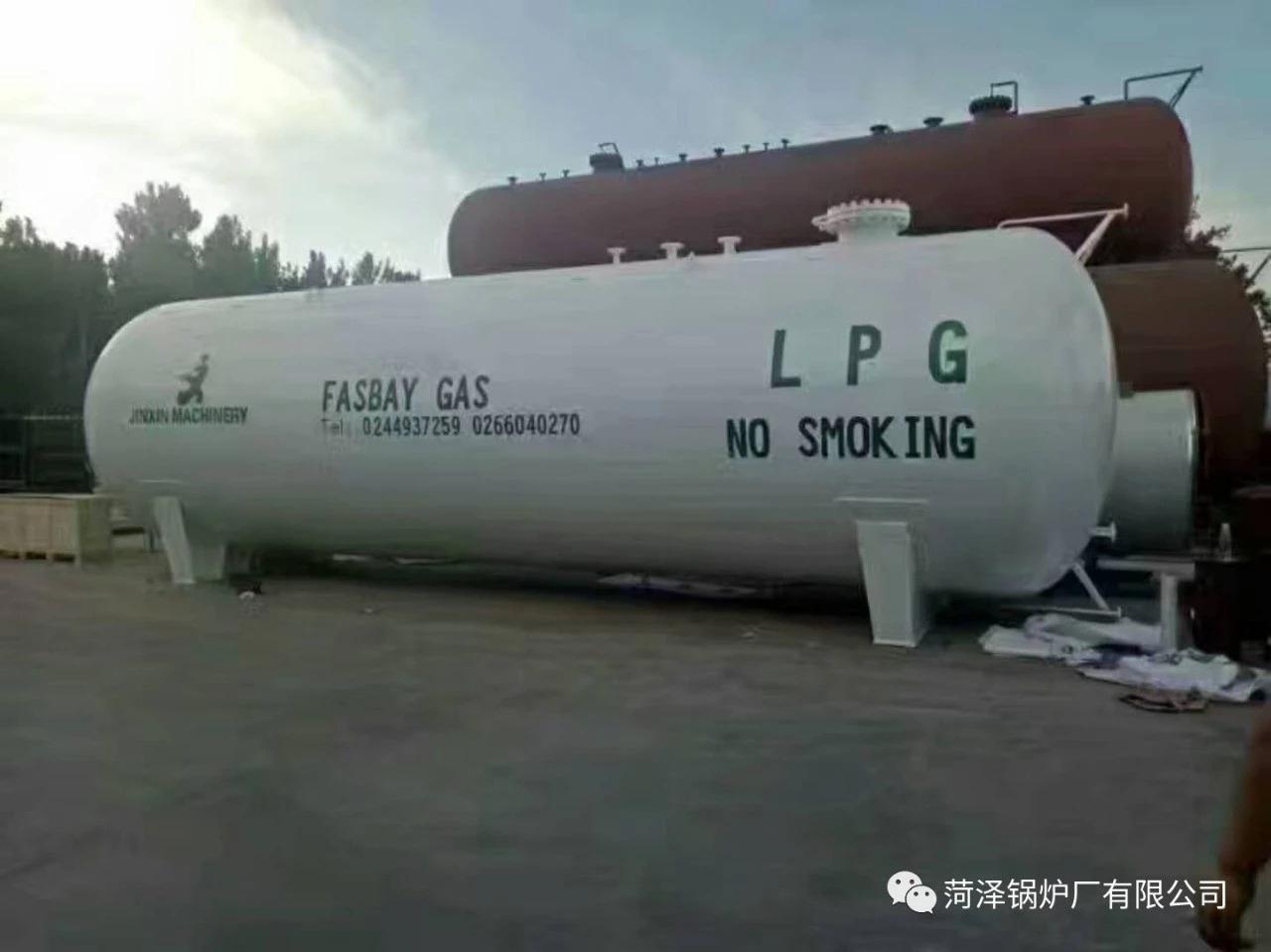
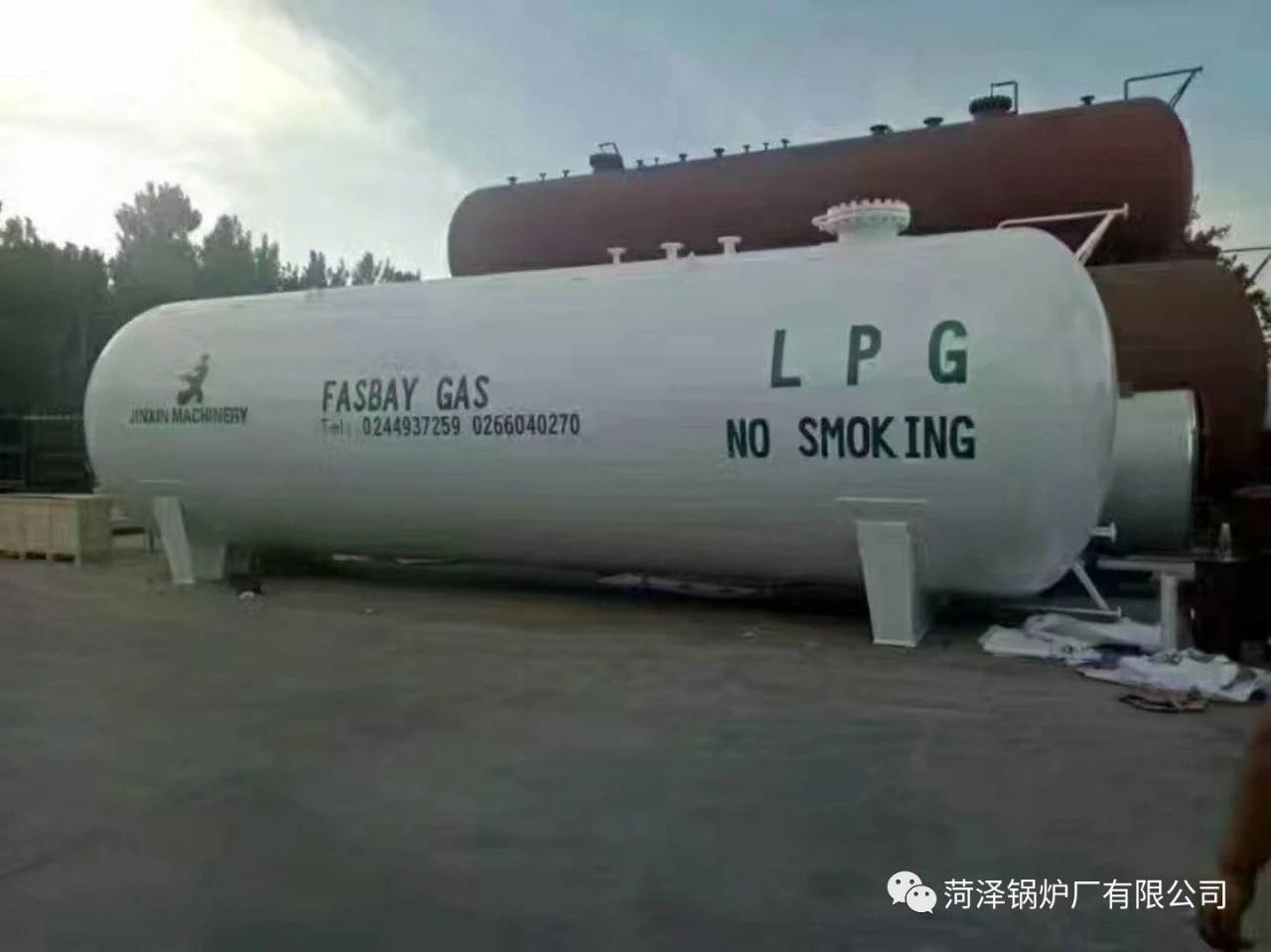
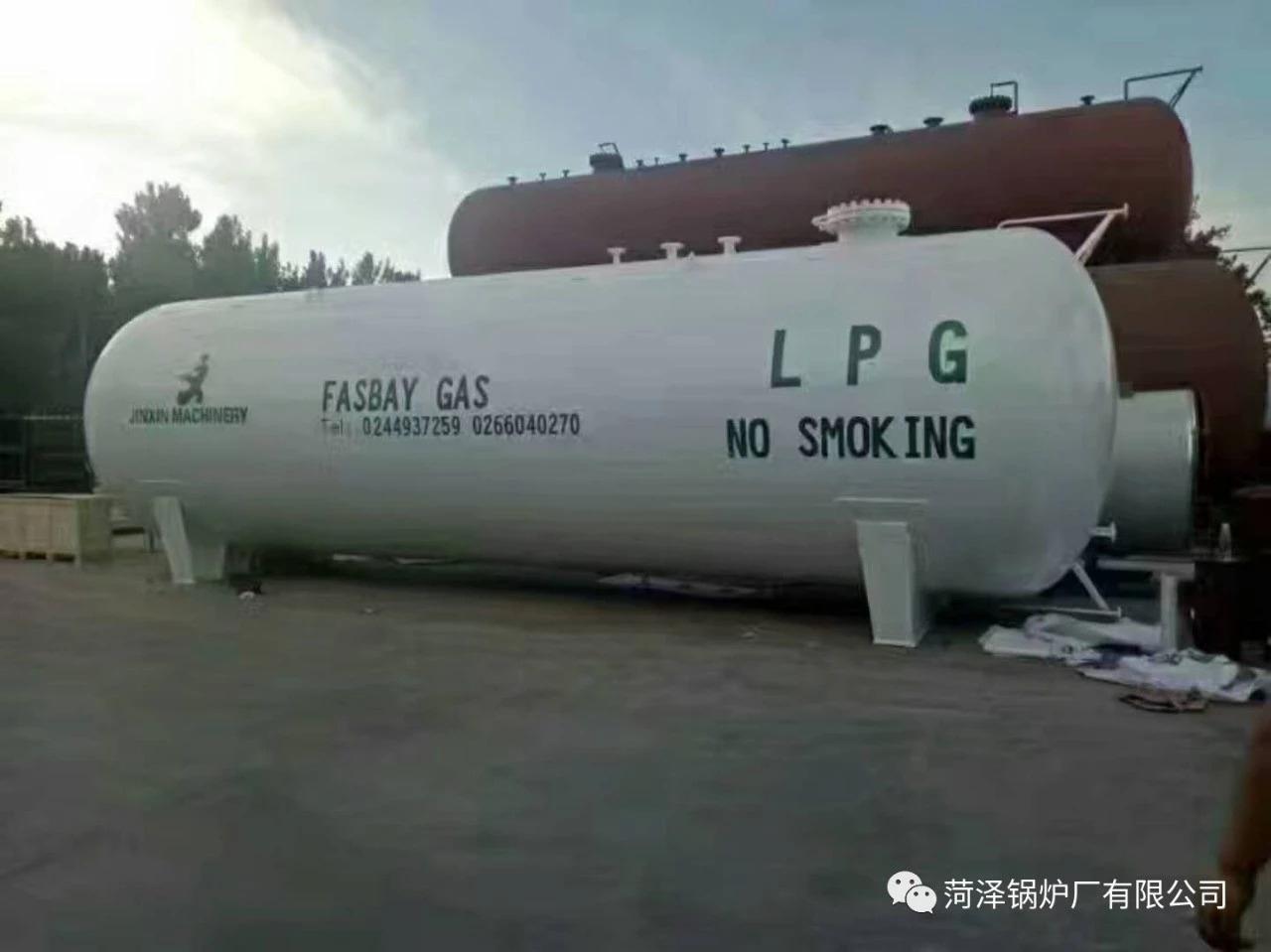
Cautionary Notes for Using Natural Gas Storage Tanks: These are jacketed vacuum powder-insulated pressure vessels used for storing and supplying low-temperature liquefied gases. They are widely used in industrial production. Analysis of the hazardous characteristics of low-temperature liquids: Low-temperature liquids have low boiling points, high expansibility, strong asphyxiating, and strong oxidizing properties. Boiling points at 101.3 KPa: Liquid nitrogen at -196°C, liquid oxygen at -183°C, and liquid argon at -186°C. Contact with the human body can cause severe frostbite to the skin and eyes. In case of minor leakage or internal leakage in valves and pipes, they absorb heat from the surrounding environment, causing rapid condensation and frost formation at the leakage point, which can lead to freezing in severe cases. When low-temperature liquids absorb high heat from the surrounding environment or a large amount of leakage, their volume expands rapidly due to quick vaporization. At 0°C and 101.3 KPa pressure, the volume of gases produced from 1L of low-temperature liquids upon vaporization: nitrogen at 674L, oxygen at 800L, and argon at 780L. Inside sealed containers or pipes, the pressure can increase due to the vaporization of low-temperature liquids, which can easily lead to overpressure explosions. In the environment near low-temperature liquid storage tanks, the vaporization of leaked low-temperature liquids can easily form rich gas areas. High concentrations of nitrogen, argon, or carbon dioxide can cause asphyxiation injuries. Additionally, high oxygen concentrations can lead to oxygen-rich injuries. Oxygen is a strong oxidizing agent with high oxidizing properties. Liquid oxygen can adhere to clothing and fabrics, and is highly flammable upon ignition, posing a risk of flash fires and personal injury.

Liquefied Gas Storage TankThe applications are very extensive, and the placement of these containers is crucial. When placing these containers, many aspects need to be considered. Failure to securely place these chemical storage containers can be highly hazardous, leading to chemical spills and severe corrosion of the containers, causing various issues. When storing chemical items, the following must be noted by users:
Ensure safe placement; do not affect surrounding residents and businesses.Liquefied Gas Storage TankThe location of the storage must be carefully selected, undergoing risk and quantitative analysis. When placing containers for storing chemical goods, it is crucial to ensure that they do not severely impact nearby residents or businesses, nor disrupt the daily lives of the residents. The placement of the containers must maintain a certain distance from residential areas to ensure they are not within the affected range. 2. Ensure compliance with meteorological and geological conditions before placing the containers.Liquefied Gas Storage TankIt is essential to meet local meteorological requirements, geological conditions, and be mindful of safety issues during thunderstorm seasons. Consider whether the area is prone to severe seismic disasters. When placingLiquefied Gas Storage TankAt that time, safety must be the top consideration when storing chemical products. With increasingly limited land resources, ground storage of chemical storage equipment occupies a significant amount of space. Therefore, users opting to store chemical products in underground tanks is an excellent choice. Placing tanks underground not only saves on resource utilization but also avoids environmental pollution issues, offering numerous advantages.


