



Usage Instructions
1. Cylinders must be stored in well-ventilated areas, with a minimum distance of 1.5 meters from any fire or heat source. Cylinders should never be heated with fire, boiled, or left in direct sunlight. Regularly inspect the gas cylinder valves and pipeline joints for leaks, ensuring they remain airtight. Typically, soap water is used to check for leaks, and it is strictly prohibited to test for leaks with an open flame.
2. When igniting, always light the igniter first, followed by opening the gas; do not reverse the sequence. There should be a person on guard during use; do not leave it unattended to prevent boiling water from overflowing and extinguishing the flame, which could cause the liquefied gas to escape and lead to an explosion. After using the gas cylinder, the valve must be tightly closed to prevent gas leakage.
3. Do not deplete the liquefied gas in the cylinder completely; a certain residual pressure should be maintained. The residual pressure should generally be greater than 49.03 kPa (i.e., 0.5 kg/cm², gauge pressure) to prevent air from entering the cylinder. After the liquefied petroleum gas is used up, the remaining residue in the cylinder is also a flammable substance and should not be poured out. This is to prevent fires from occurring due to the flow and evaporation of the residue.
4、Liquefied Petroleum GasGas cylinders are pressurized containers that require proper maintenance and regular inspections. They must be handled to prevent dropping or impact, and it is forbidden to use metal tools to敲击 open the valve. They should be protected from direct sunlight and prolonged exposure to rain. Gas cylinders are typically inspected every 2 years.
5、PetroleumThe explosion range of liquefied gas is not very wide, but due to its low limit, it is easily ignited and explodes upon leakage. Moreover, as LPG is heavier than air, it tends to flow downwards upon leakage in the air, accumulating in low-lying areas and posing a hidden danger of gas explosion. Therefore, in areas where gas is prone to leakage, relying solely on window ventilation is insufficient; attention must also be given to lower-level ventilation.
6. When liquid gas leakage is detected indoors, immediately open windows and doors for ventilation, allowing it to disperse in the direction away from any open flame. No fire is permitted in the vicinity. The area can only be used after the fault is resolved and the distinctive odor has dissipated. Waste liquid on the ground should be covered with sand and soil before being cleared to a safe location. In case of a gas cylinder fire, immediately close the valve, move it to an open area outdoors, and extinguish the fire using dry powder extinguishers, carbon dioxide extinguishers, or by covering with a wet sack.
7. Educate children not to tamper with gas cylinders carelessly, and users must be aware of the safety knowledge for using gas cylinders.


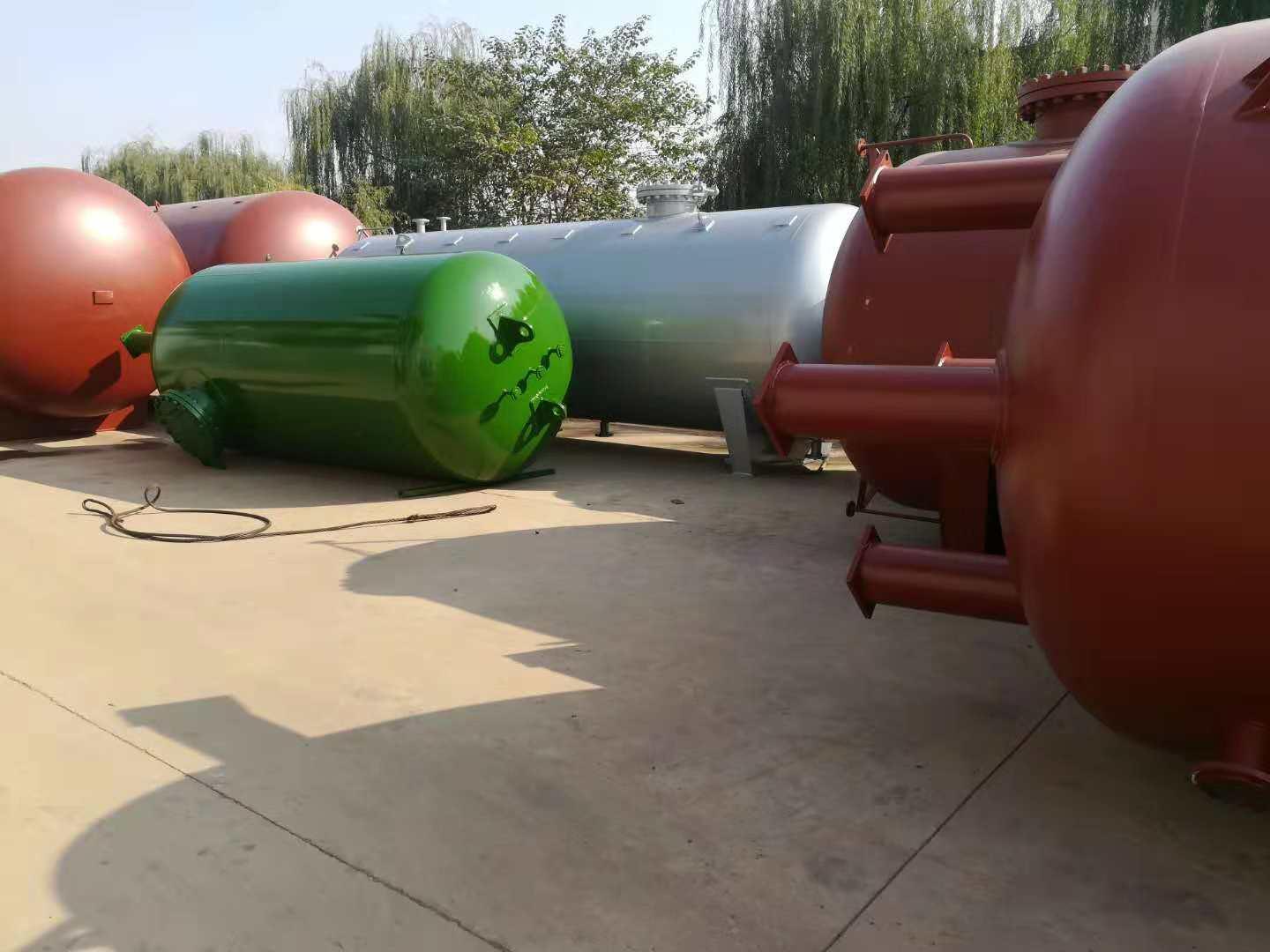
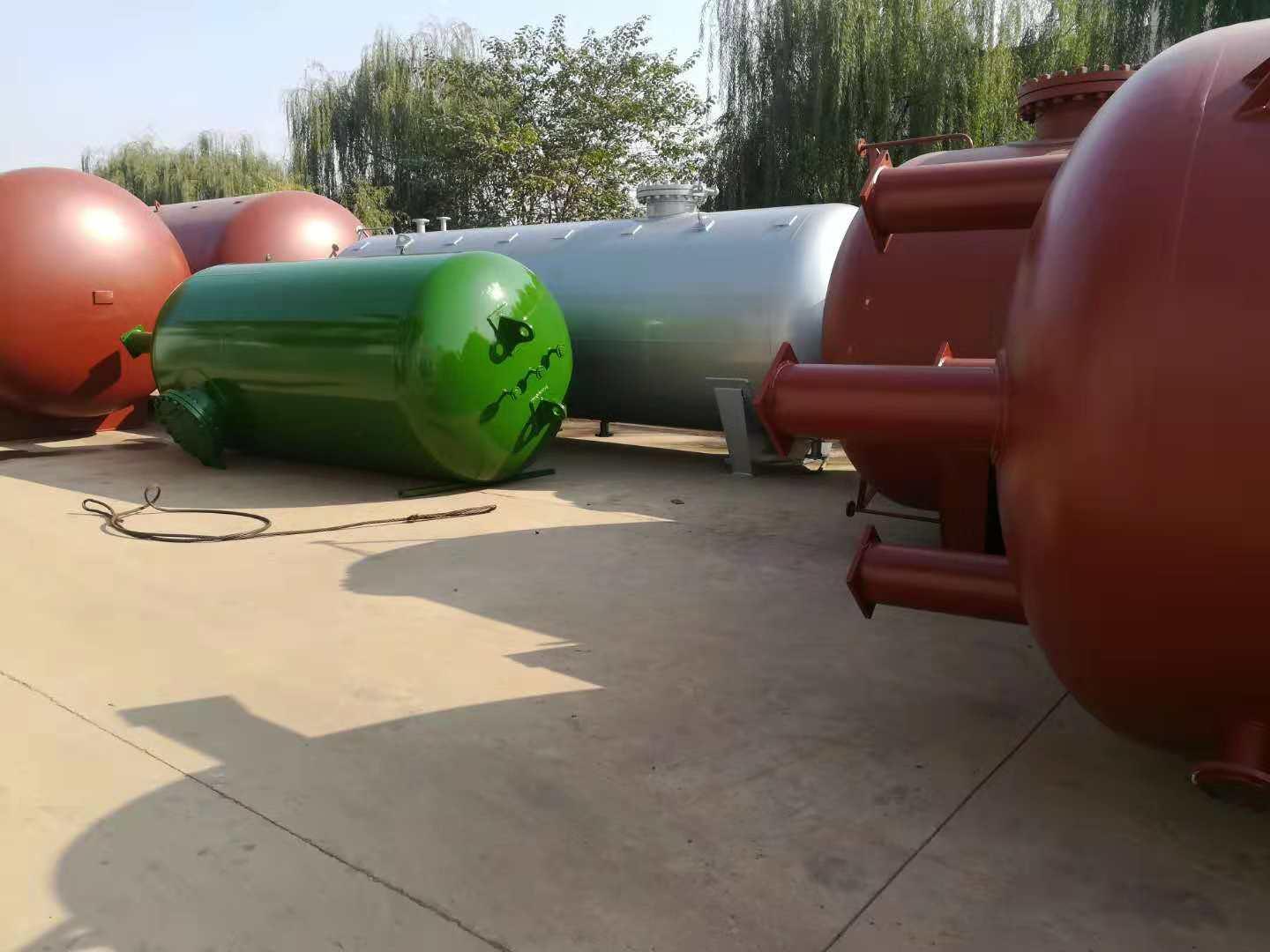
10 cubic liquid gas tanks, 20 cubic liquid gas tanks, 30 cubic liquid gas tanks, 50 cubic liquid gas tanks, 60 cubic liquid gas tanks, 80 cubic liquid gas tanks, 100 cubic liquid gas tanks, 150 cubic liquid gas tanks, 200 cubic liquid gas tanks, 10 cubic liquid ammonia tanks, 20 cubic liquid ammonia tanks, 40 cubic liquid ammonia tanks, 50 cubic liquid ammonia tanks, 80 cubic liquid ammonia tanks, 100 cubic liquid ammonia tanks, 150 cubic liquid ammonia tanks, 200 cubic liquid ammonia tanks
Huzhou Boiler Factory Co., Ltd. is a producer of liquefied gas storage tanks in China. We offer 5-200 cubic storage tanks with whole annealing furnaces, steel column sandblasting for rust removal, advanced manufacturing management, procurement of high-quality raw materials, and skilled welding techniques by senior welders.
Liquefied Petroleum Gas (LPG) Storage Tanks are pressure vessels used for storing LPG. They are special equipment that can only be produced by enterprises approved by the National Quality Supervision and Inspection总局. These tanks require a national certification for Class 3 pressure vessel design and manufacturing. Shandong Heze Boiler Factory Co., Ltd. is a certified manufacturer for Class 1, 2, and 3 pressure vessels, capable of producing pressure vessels such as LPG storage tanks under 200 cubic meters. It is one of the few companies in the country that can produce 200 cubic meter tanks.
Liquefied Petroleum Gas tanks are selected according to national standards.Q345RSteel plates, typically sourced from Jinan Iron and Steel Plant or Anyang Iron and Steel Plant, both of which are major state-owned steel enterprises in China. The quality of the steel plates is guaranteed, and our technical team will re-inspect them upon arrival. Qualified steel plates undergo a series of processes including rolling, splicing, welding, ultrasonic testing, annealing, hydrostatic and pneumatic testing, sandblasting, and painting, all performed using state-of-the-art production techniques to ensure the quality of the storage tanks. Liquefied gas storage tanks are primarily used in liquefied gas stations. The production process involves several steps, with the key ones being: selecting high-quality raw materials from reputable large-scale steel mills, with our company opting for materials from state-owned steel enterprises in Jinan and Anyang; next, the tanks must undergo full annealing after welding to relieve the stress in the steel plates, ensuring the tank is a single unit and preventing cracks in the welds; further, we employ sandblasting to remove rust, using steel grit of one to two millimeters to sandblast the tank surface, which effectively removes rust and allows for a longer-lasting paint job.***Our company selects products from large paint manufacturers, applying two coats of anti-rust primer followed by two coats of topcoat. Four layers of paint ensure the storage tank will not peel off for five to ten years, and with good maintenance, it can last up to twenty years without the need for repainting.


