


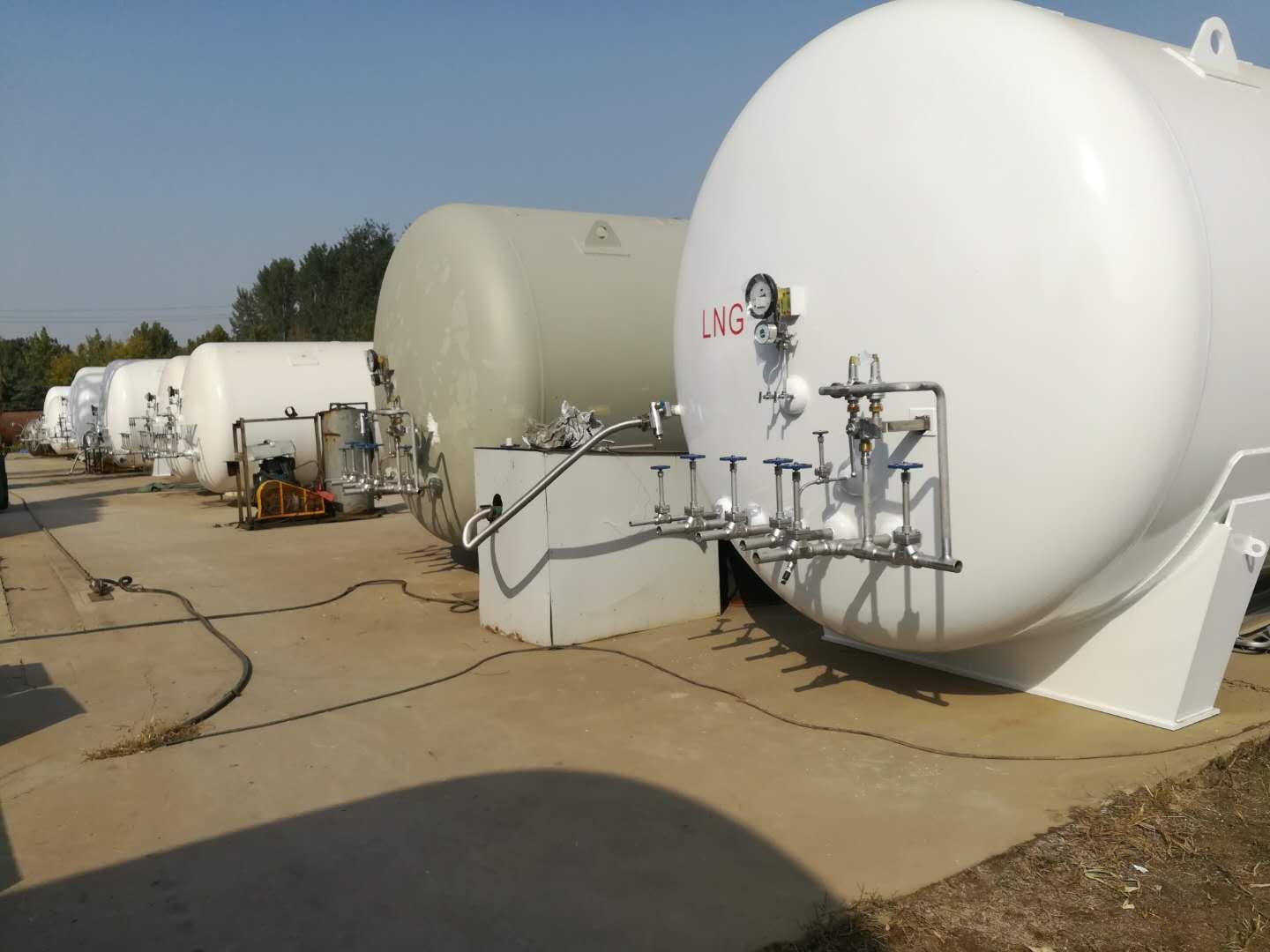
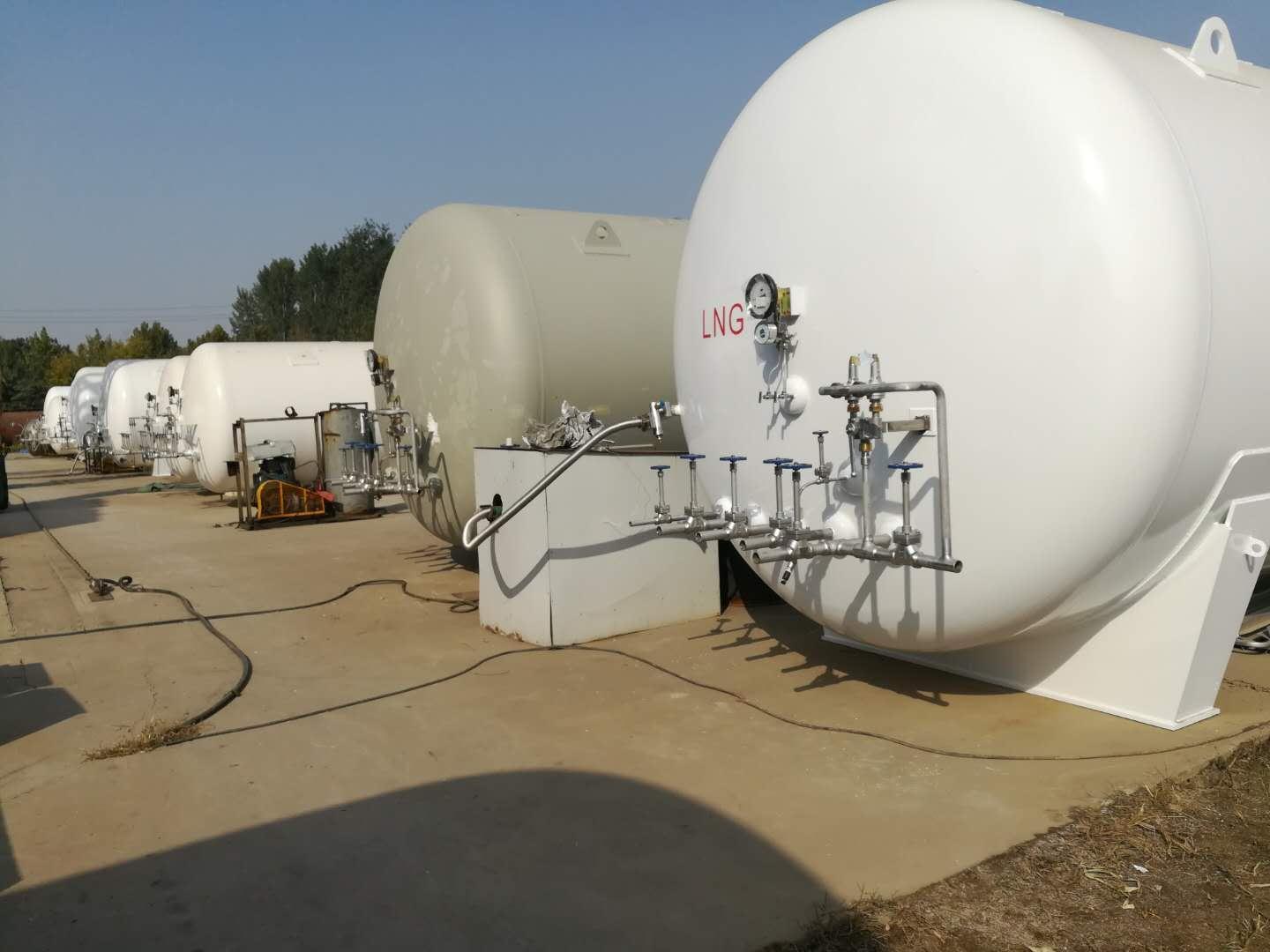
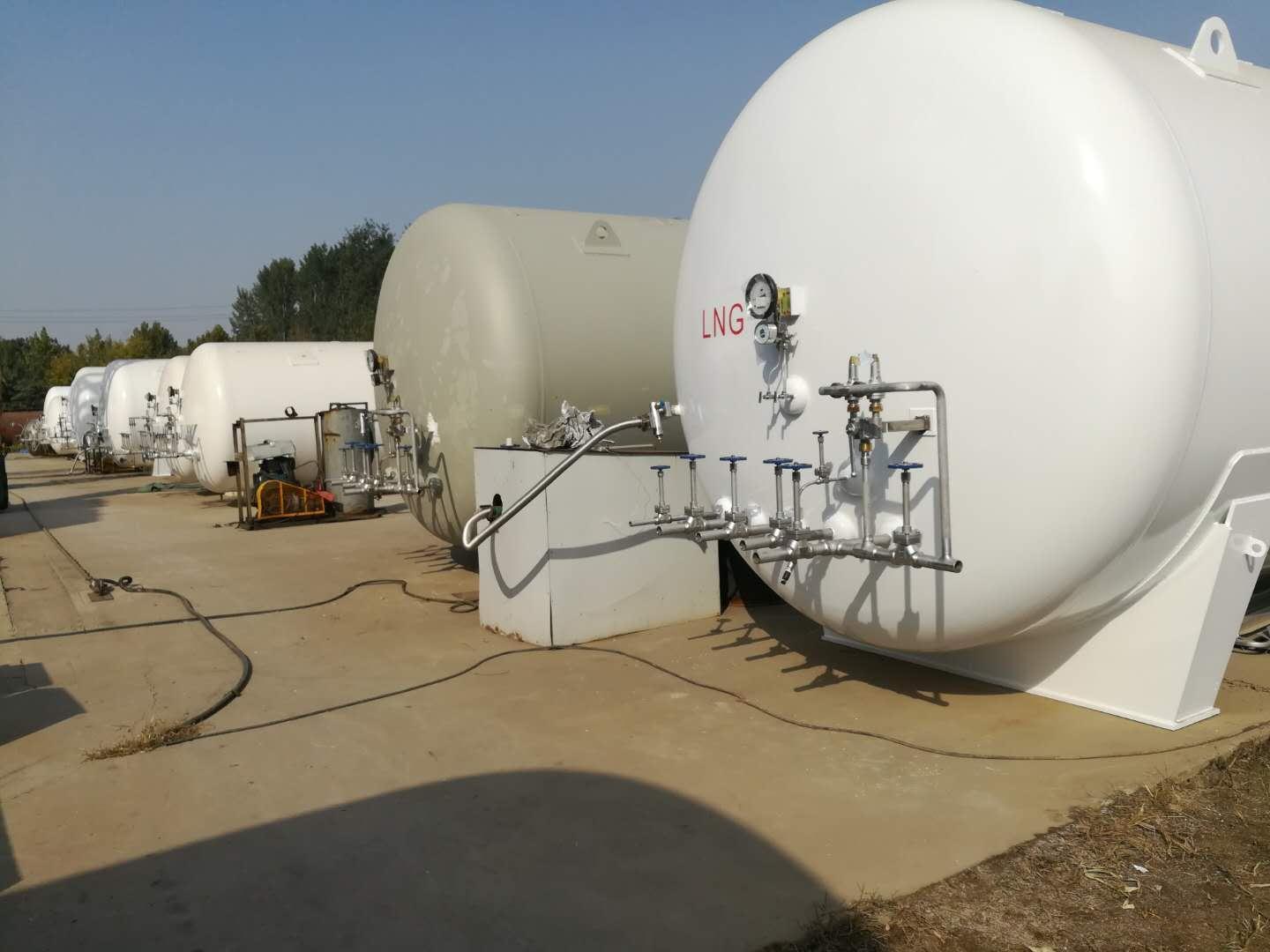
Energy-saving effects of gas boilers are significantly better compared to other types of boilers. In developed countries like Europe and the United States, the proportion of gas boilers is quite high. In our country, due to historical reasons, coal-fired boilers account for an absolute majority. With the severe air pollution in recent years, especially in the Beijing-Tianjin-Hebei region, as well as in Shandong, Shanxi, and Henan, smog during winter is extremely severe. This has seriously affected people's health. With widespread attention from all sectors of society, people's understanding of smog has deepened, and the Blue Sky Protection Project has been vigorously carried out. The "coal-to-gas" project is a sharp sword in this effort.Shandong Hezhou PotBoilerAs early as 2003Actively produce high-quality, energy-saving, and environmentally friendly gas boilers.
Shandong He Guo Boiler features include:
Well-designed:
Horizontal internal combustion three-return full wet-back design100%Wave-shaped furnace tube,Excellent thermal expansion properties. The water-in-fire overall design, with ample heating surface area and reasonable structural arrangement, ensures the high-efficiency operation of the boiler.
High-efficiency energy-saving:
Steam and hot water boiler series all have high thermal efficiency.97%-99%The spacious combustion chamber, combined with reasonable structural arrangement, allows for more heat to be transferred into the water, significantly enhancing the heat-exchange efficiency between fuel and steam, as well as fuel and hot water.
Meets environmental protection standards:
The combustion chamber is spacious, maximizing radiant heat exchange, and paired with a high-quality and reliable imported burner, ensuring complete combustion of the fuel, significantly reducing harmful emissions in the flue gas. After being tested by a government authority, our fuel (gas) steam and hot water boilers meet national environmental protection standards and are ideal eco-friendly products.
Superior configuration:
World-renowned burner compatibility, with an advanced control system (key components imported), valves, and pumps all utilizing top-quality national products. An excellent boiler accessory configuration ensures the safe and stable operation of the boiler.
Fully Automatic Operation:
Users simply need to press the start button, and the boiler will operate according to the set program. Load regulation, water supply, and other functions are all fully automated, requiring no constant supervision.
Easy maintenance and repair:
Boilers are equipped with movable smoke box doors at both the front and rear, featuring fire observation ports and inspection ports at the rear, allowing for easy access into the furnace for inspection and cleaning. Manholes are also incorporated into the boiler body, with the structural design carefully considering future maintenance and repair convenience.

Recently, a customer approached us to inquire about the operation process of a gas boiler. In response to this question, our technical staff provided an answer.
1. Heating and Drying Stage
After coal enters the furnace and is heated, the moisture in the coal begins to vaporize and evaporate. Once the natural gas boiler temperature reaches 100-105℃, the moisture is completely evaporated, and the coal is fully dried. The duration of the heating stage varies depending on the amount of moisture in the coal; the more moisture, the longer the drying stage.
2. Stage of volatiles逸出 forming coke
As temperatures rise, dry coal begins to decompose, releasing combustible gases known as volatiles. After the volatiles are released from a natural gas boiler, the remaining solid material is called coke, which, aside from ash, is almost entirely carbon and sometimes contains a small amount of sulfur. This portion of carbon and sulfur is also referred to as fixed carbon.
3. Volatile matter ignition stage
When the volatile components of the gas boiler mix with the air to reach a certain concentration on the same day, the volatiles begin to ignite and burn, releasing a large amount of heat and heating the coke, creating conditions for the combustion of the coke.
4. The stage of coke combustion forming ash and slag
As the volatile matter approaches complete combustion, coke begins to burn, which is a chemical reaction between solid fuel and oxygen in the air. The combustion of coke is slow and takes a long time to burn out, accounting for about 90% of the total combustion time. When the outer layer of the coke burns off and forms ash that hinders oxygen from diffusing into the core of the coke, combustion will cease, resulting in slag formation.


