

Heze Boiler FactoryLimited Company
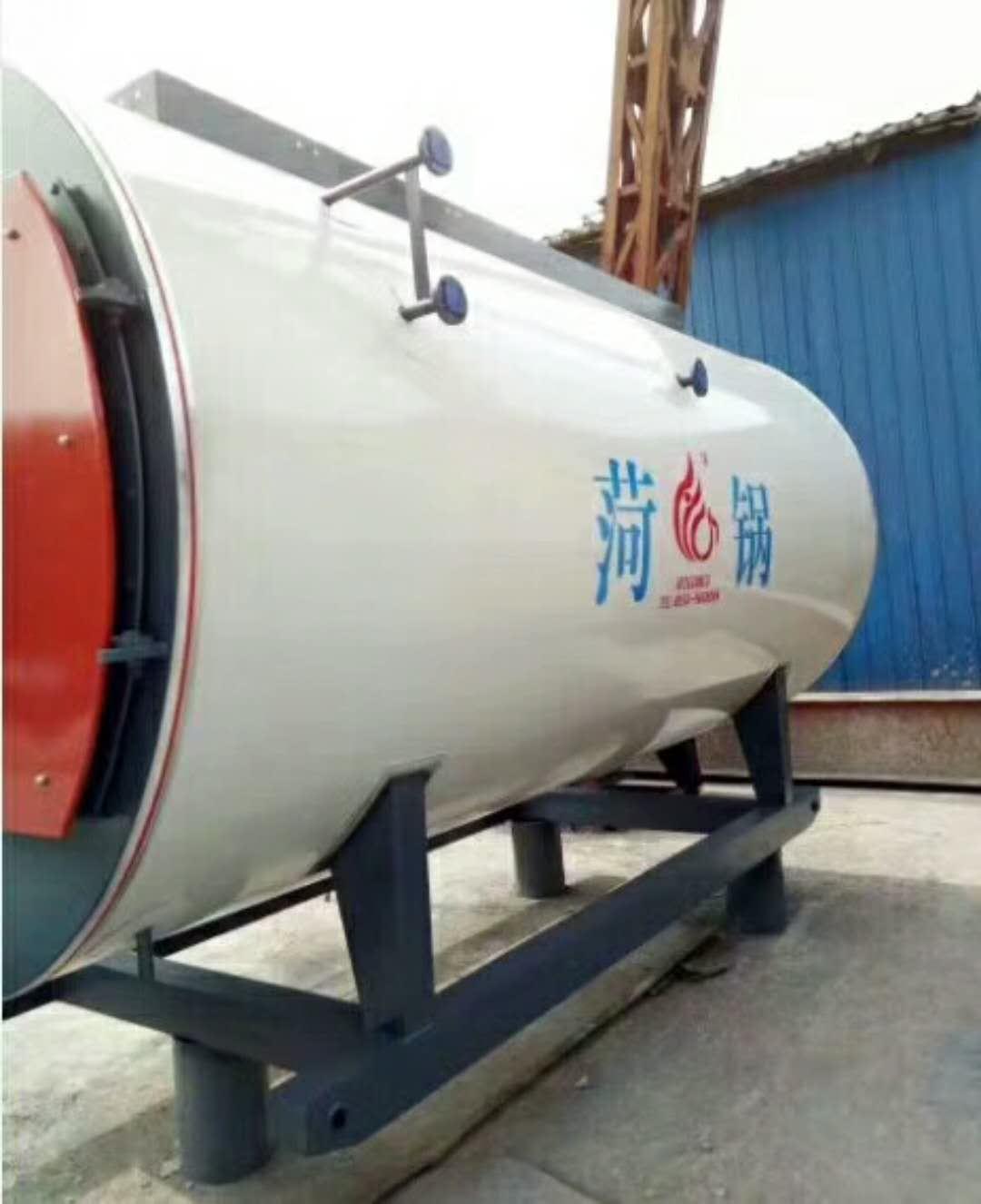
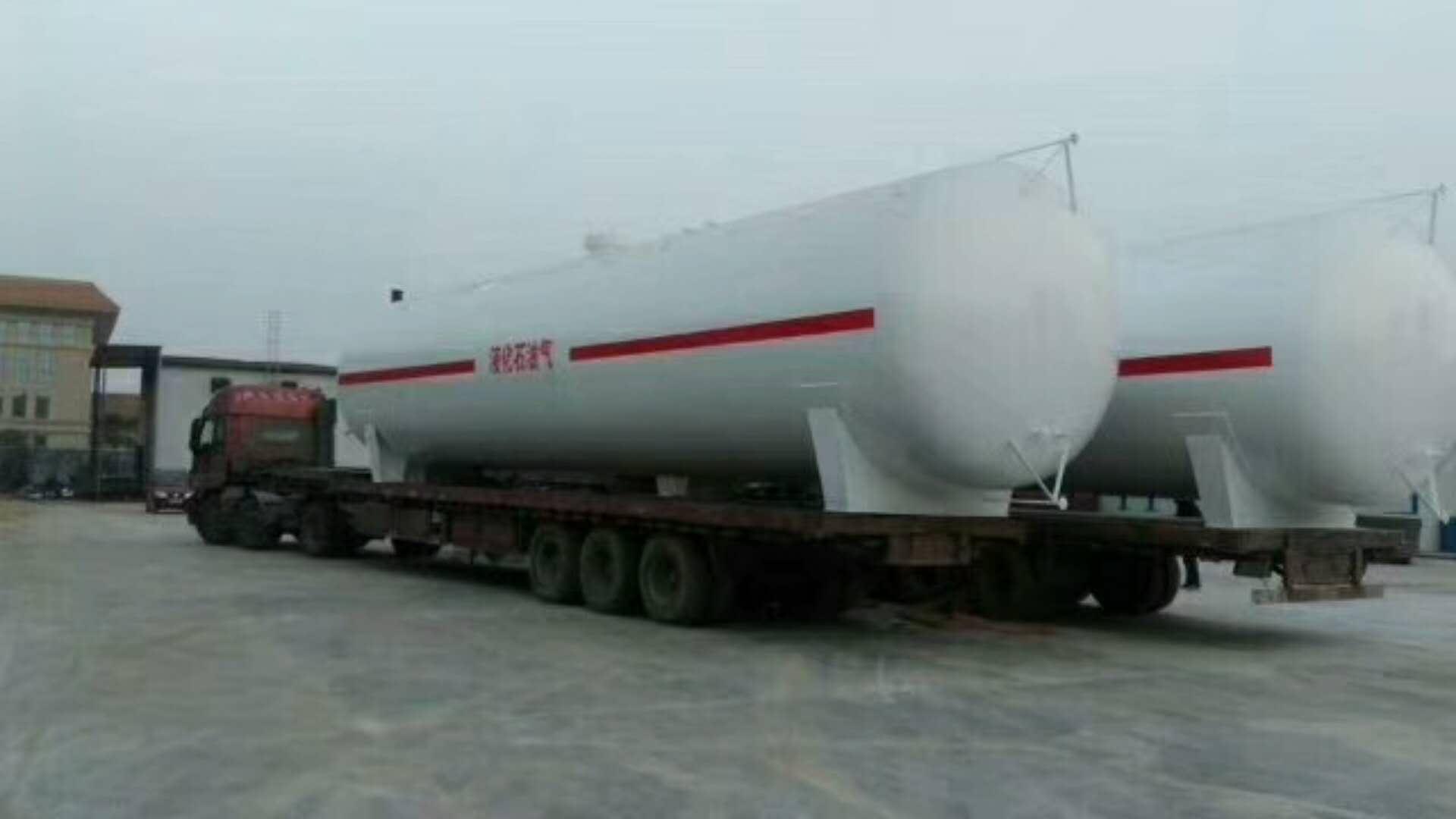
Equipment Name: Natural Gas Storage Tank --- Liquefied Natural Gas Storage Tank --- Natural Gas Storage Tank (Functional Description)
Contact Information: Please provide the Chinese content that needs to be translated into American English.Manager
Manufacturer:Heze Boiler FactoryLimited Company
This article analyzes the hazardous characteristics of low-temperature liquids and, in conjunction with various gas supply modes for low-temperature storage tanks, briefly outlines their basic requirements and key points for safe operation.
An LNG storage tank is a jacketed vacuum powder-insulated pressure vessel specifically designed for storing and supplying low-temperature liquefied gases (such as liquid nitrogen, liquid oxygen, liquid argon, liquid carbon dioxide, etc.). It has been widely used in industrial production and daily life.
1. Analysis of Low-Temperature Liquid Hazardous Characteristics
Low-temperature liquids possess hazardous characteristics such as low boiling points, high expansiveness, strong asphyxiating properties, and strong oxidizing properties.
1.1 Boiling points of low-temperature liquids at 101.3 KPa pressure: Liquid nitrogen at -196°C, liquid oxygen at -183°C, and liquid argon at -186°C. Contact with the human body can cause severe frostbite to the skin and eyes. In cases of minor leakage or internal leakage in valves, they absorb heat from the surrounding environment, causing rapid condensation and frost formation at the leak point, which can lead to freezing in severe cases.
Low-temperature Storage Tank
1.2 Low-temperature liquids absorb energy from the surrounding environment due to high heat or large leaks, causing their volume to expand rapidly as they vaporize. At 0°C and 101.3 KPa pressure, the volume of gas resulting from the vaporization of 1L of low-temperature liquid is: nitrogen at 674L, oxygen at 800L, and argon at 780L. Inside sealed containers or pipelines, the increase in internal pressure due to the vaporization of low-temperature liquids can easily lead to overpressure explosions.
1.3 In the surrounding environment of low-temperature storage tanks, after the low-temperature liquid leaks and vaporizes, it is prone to form a rich gas area. If the concentrations of nitrogen, argon, or carbon dioxide are high, asphyxiation injuries can easily occur. Additionally, high oxygen concentrations can also lead to oxygen enrichment injuries.
1.4 Oxygen is a powerful oxidizer with extremely strong oxidizing properties. Liquid oxygen, when in close proximity to combustible materials, is highly flammable upon contact with an open flame; contact with combustible materials can easily lead to explosions due to vibrations or impacts; mixing with combustible materials poses a potential explosive hazard. Liquid oxygen can adhere to clothing and fabrics, and upon contact with an ignition source, it can cause a flash fire, posing a risk to personal safety.
2. Low-Temperature Storage Tank Gas Supply Mode and Basic Requirements
According to the different application scenarios and user requirements, the gas supply mode of low-temperature storage tanks mainly varies.
Available services: high-pressure cylinder refilling, low-temperature insulated cylinder packaging, centralized gas supply through pipelines, and low-temperature liquid spray feeding.

Advantages of LNG
Compared to LPG and CNG, the advantages of LNG as a substitute automotive fuel are as follows:
(1) Clean and environmentally friendly. As an automotive fuel, LNG must first be vaporized by a vaporizer and then enter the engine in a gaseous state for complete combustion, resulting in extremely low levels of harmful substances in the exhaust, making it highly clean and environmentally friendly.
(2) High unit price calorific value. Compared to other fuels, LNG is priced lower and has a higher unit price calorific value. The low-temperature characteristics of LNG can lower the temperature of the mixed gas and combustion temperature, thereby enhancing the engine's thermal efficiency. Consequently, LNG boasts strong economic value and applicability.
(3) High safety. LNG fuel tanks typically operate at a pressure of 1.586 Mpa. Automotive LNG storage tanks usually employ double-layer metal vacuum powder insulation or double-layer metal vacuum spiral insulation structures, offering high thermal insulation efficiency and enabling extended periods without venting.
(4) Convenient Refueling. Compared to CNG refueling stations, LNG refueling stations occupy less land, produce no noise, and have lower operation costs. The initial investment for setting up an LNG station is more than 30% less than that of a CNG station, and it can reduce daily operation and maintenance costs by over 50%. Due to the unrestricted nature of LNG refueling stations from natural gas sources and pipelines, they can be designed as fixed stations for natural gas or as skid-mounted units, offering high mobility.
(5) High efficiency in cold energy recovery. LNG is stored and transported at atmospheric pressure and low temperatures, releasing a large amount of cold energy during gasification to normal conditions. Currently, the recovery rate of LNG cold energy can reach 50%, with 1 cubic meter of LNG capable of recovering and utilizing 960 to 1095 MJ of cold energy. For instance, a refrigerated truck absorbs an average of 56.16 MJ of heat per day during operation. To absorb this heat, a standard diesel refrigeration system would require about 15 liters of diesel. However, in LNG vehicles, the cold energy released from the gasification of 143 liters of liquefied natural gas can completely absorb 56.16 MJ of heat, offering significant economic benefits. Utilizing LNG cold energy for vehicle air conditioning or refrigerated trucks eliminates the need for a dedicated refrigeration system, saving energy and reducing noise pollution caused by mechanical refrigeration.
(6) Wide Application Range. By adding high-pressure pumps and high-pressure gasifiers to the LNG refueling system, an LNG-to-CNG refueling station can be established, allowing direct conversion of LNG to CNG. The refueling station can serve both LNG and CNG vehicles, thus avoiding the need for fuel system modifications in CNG vehicles and eliminating the limitations of CNG refueling stations due to natural gas sources and pipelines. The scalability of the LNG refueling system further expands the applicability of LNG.