


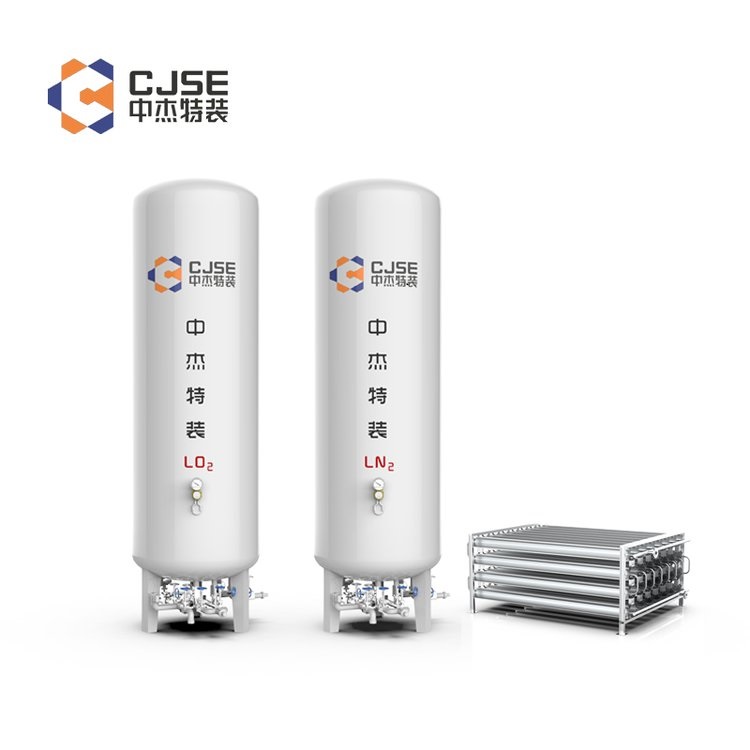
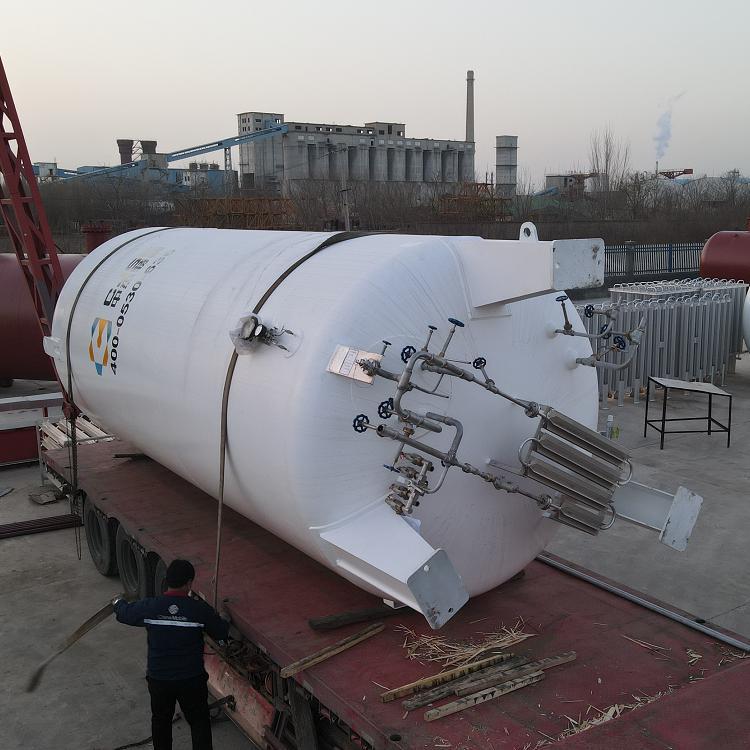

Shandong Zhongjie Special Equipment (formerly Heze Boiler Factory Co., Ltd.) was established in 2001, located at No. 2218 Jinnan Road, Economic and Technological Development Zone, Heze City. With a registered capital of 50 million yuan and total assets of 500 million yuan, the company has 7 business centers: boilers, deep-freezing vessels, pressure vessels, central air conditioning, engineering installation, international trade, and the Internet of Things. It has three factory sites on Jinnan Road, East Changjiang Road, and Bohai Road, covering a total of 200,000 square meters, with the main workshop spanning 83,000 square meters. It currently employs 710 people, including 247 engineers and technicians and 82 intermediate-level technicians. In December 2016, it was recognized as a "High-tech Enterprise" by the Science and Technology Department. In June 2021, it was identified as a "Specialized and New Enterprise in Shandong Province" by the Ministry of Industry and Information Technology. In June 2022, it was recognized as a "Gazelle Enterprise in Shandong Province" and in August 2022, it was identified as a "Specialized and New Small Giant Enterprise" by the Ministry of Industry and Information Technology.
The filling of low-temperature liquid nitrogen tanks refers to the process of transferring liquid nitrogen from an external supply source into the tank. Below is an explanation of the filling process for low-temperature liquid nitrogen tanks:
Preparation: Before filling the liquid nitrogen tank, proper preparation is required. This includes inspecting the tank's condition and safety to ensure the interior is clean, free of impurities and contaminants. Additionally, check the quality of the liquid nitrogen supply source and the safety of the supply pipeline.
Connect supply source: Link the liquid nitrogen supply source to the liquid inlet of the storage tank. Ensure the connection is secure and reliable to prevent leaks.
Control Liquid Level: During the bottling process, it is necessary to control the liquid nitrogen level to prevent overfilling or spilling. A liquid level gauge or level control system can be used to monitor and control the level.
Slow Injection: The injection of liquid nitrogen should be gradual to prevent rapid vaporization and increased pressure. Appropriate valves and flow control devices can be used to regulate the injection speed.
Monitor Pressure: During the canning process, it is necessary to monitor the pressure of the storage tank to ensure it remains within a safe range. Pressure gauges or pressure sensors can be used for monitoring.
Canning completed: Stop injecting liquid nitrogen when the liquid level reaches the predetermined filling quantity or the tank's capacity limit. Disconnect from the supply source and ensure the canning port is sealed.
Safe Operation: Throughout the canning process, it is essential to adhere to relevant safety regulations and operating guidelines. Liquid nitrogen is highly flammable at low temperatures; operators must wear appropriate personal protective equipment and ensure the operating environment is free of ignition sources.
When bottling liquid nitrogen, be mindful of its low-temperature properties and safety. Ensure safe operation and control throughout the bottling process to guarantee the safe operation of the storage tank and effective storage of the liquid nitrogen.
Maintaining and caring for liquid nitrogen tanks is crucial for ensuring their safe operation and extending their lifespan. Here are the maintenance and care methods for liquid nitrogen tanks:
Regular Inspections: Conduct regular inspections of the liquid nitrogen tank's exterior and interior, checking for leaks, corrosion, wear, or other damage. Pay special attention to the tank's interfaces, valves, and pipelines, ensuring they operate normally.
Cleaning and Defrosting: Regularly clean the exterior surface of the liquid nitrogen tank to remove dust and dirt. If there is ice or frost buildup inside the tank, defrosting is required to maintain the normal operation of the tank.
Level Monitoring: Regularly monitor the liquid nitrogen tank's level to ensure the stored quantity is within a safe range. In case of an abnormal level, adjust or replenish the liquid nitrogen promptly.
Regular inspection and replacement of components: Regularly inspect and replace critical parts of liquid nitrogen storage tanks, such as safety valves, pressure sensors, and temperature sensors, to ensure their proper operation and accuracy.
Inspect the Insulation Layer: Regularly check the liquid nitrogen tank's insulation layer to ensure its integrity and insulating performance. If any damage or aging is found in the insulation layer, it should be repaired or replaced promptly.
Regular Calibration: Regularly calibrate the gauges and sensors of liquid nitrogen tanks to ensure accuracy and reliability. Calibration should be conducted in accordance with relevant standards and specifications.
Safety Training and Operating Procedures: Conduct regular safety training for liquid nitrogen tanks to ensure operators are familiar with the safe operation procedures and emergency response measures.
Note that maintenance of liquid nitrogen tanks should be performed by trained and authorized personnel. Adhere to relevant safety regulations and operational guidelines to ensure the safety and effectiveness of maintenance work.
Liquid oxygen low-temperature storage tanks are primarily used for storing and supplying liquid oxygen, with their application methods varying based on specific needs and scenarios. Here are some common applications of liquid oxygen low-temperature storage tanks:
Applications: Liquid oxygen low-temperature storage tanks are widely used in the field for cryogenic preservation of biological samples, cells, tissues, and vaccines. Institutions such as biopharmaceutical research organizations and biobanks utilize liquid oxygen low-temperature storage tanks to store and protect these biological materials.
Experimental Research: Liquid Oxygen Low-Temperature Storage Tanks are used to provide low-temperature environments in scientific research and laboratories, for cryogenic preservation and experiments. These tanks play a crucial role in experimental research across various fields such as physics, chemistry, biology, and materials science.
Industrial Applications: Liquid Oxygen Low-Temperature Storage Tanks are used in industrial sectors for providing low-temperature cooling, applicable in processes such as metalworking, welding, and heat treatment. These tanks can achieve low temperatures, enabling metals to reach the required hardness and toughness during processing.
Food Industry: Liquid oxygen low-temperature storage tanks are used in the food industry for freezing and refrigerating food products such as frozen meats, frozen fruits, and frozen seafood. The low temperature of liquid oxygen can quickly freeze food, preserving its freshness and quality.
Liquid oxygen low-temperature storage tanks are used in the field for storing and supplying liquid oxygen as fuel. Liquid oxygen, as a high-energy fuel, is widely used in the propulsion systems of engines and vessels.
During the operation of liquid oxygen low-temperature storage tanks, it is crucial to strictly adhere to relevant safety regulations and operating guidelines to ensure the safe operation and use of the tanks. Liquid oxygen is highly flammable, so fire prevention measures must be taken when using liquid oxygen low-temperature storage tanks, and it must be ensured that there are no sources of fire around the tanks.
When using a 50-cubic-liter liquid oxygen storage tank, the following safety issues should be noted:
Tank Pressure Control: Ensure that the liquid oxygen pressure within the tank remains within a safe range. Monitor and control the tank's pressure to avoid risks posed by excessive or low pressure.
Leakage and Fire Prevention: Regularly inspect the seals of storage tanks and related pipelines to prevent oxygen liquid leakage. Oxygen liquid is highly flammable, and fire prevention measures must be implemented to ensure there are no ignition sources around the storage tanks.
Explosion-proof measures: Oxygen inside the liquid oxygen storage tank may cause an explosion upon contact with flammable materials. Ensure there are no flammable items around the tank and implement explosion-proof measures, such as explosion-proof electrical equipment and static grounding.
Safety valves and exhaust systems: Tanks should be equipped with safety valves and exhaust systems to prevent overpressure conditions. Ensure the proper operation of the safety valves and the unobstructed flow of the exhaust system.
Routine Maintenance and Inspection: Regularly maintain and inspect the storage tanks, including cleaning, coating protection, and corrosion prevention. Ensure the structural integrity and safety of the tanks.
Safety Operation and Training: Operators must undergo relevant safety training, familiarize themselves with the safe operation procedures and emergency response measures for liquid oxygen storage tanks. Adhere to the correct operational steps to ensure safe operation.
Environmental Monitoring: Regularly monitor environmental parameters such as oxygen concentration and temperature around the storage tanks to ensure safety.
Emergency Preparedness: Develop an emergency response plan including measures for leaks, fires, and explosions. Equip with appropriate emergency and firefighting equipment to handle unexpected incidents.
Above are some safety issues to be aware of when using a 50-cubic-liter liquid oxygen tank. To ensure safety, it is recommended to follow relevant safety regulations and operation guidelines, and seek assistance and guidance from professionals when needed.
Zhongjie Special Equipment adheres to the grand vision of "realizing employees' dreams, creating customer value, and striving for the prosperity and strength of our motherland," focusing on the development of the green energy equipment industry, and devoting high-value products and services to society!
Laiwu Low Temperature Liquid Nitrogen Storage Tank, High Cost-Performance
