


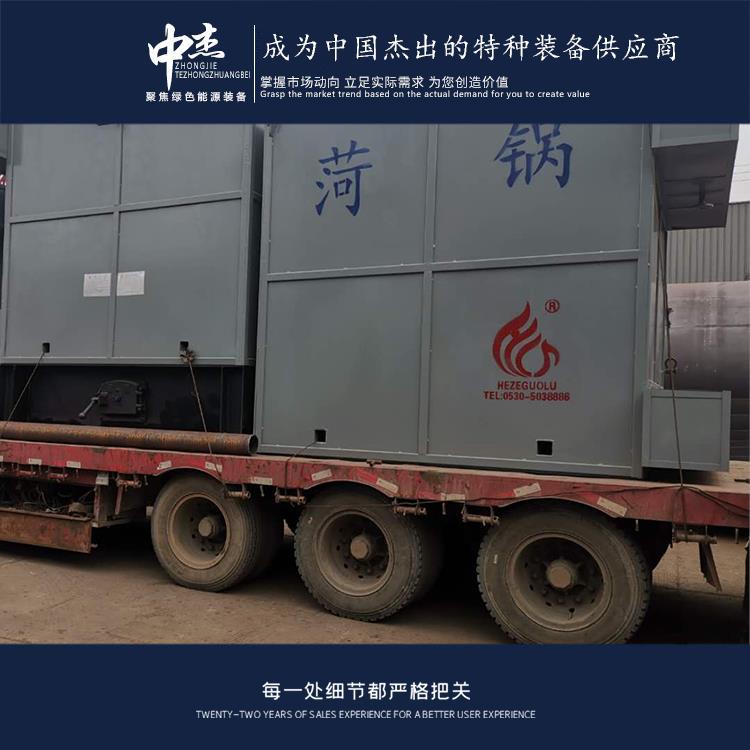
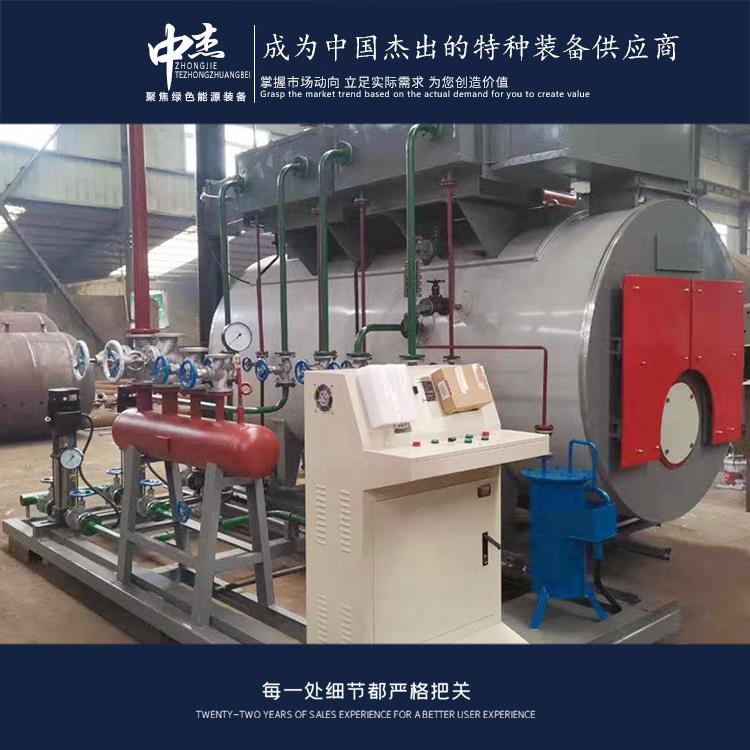
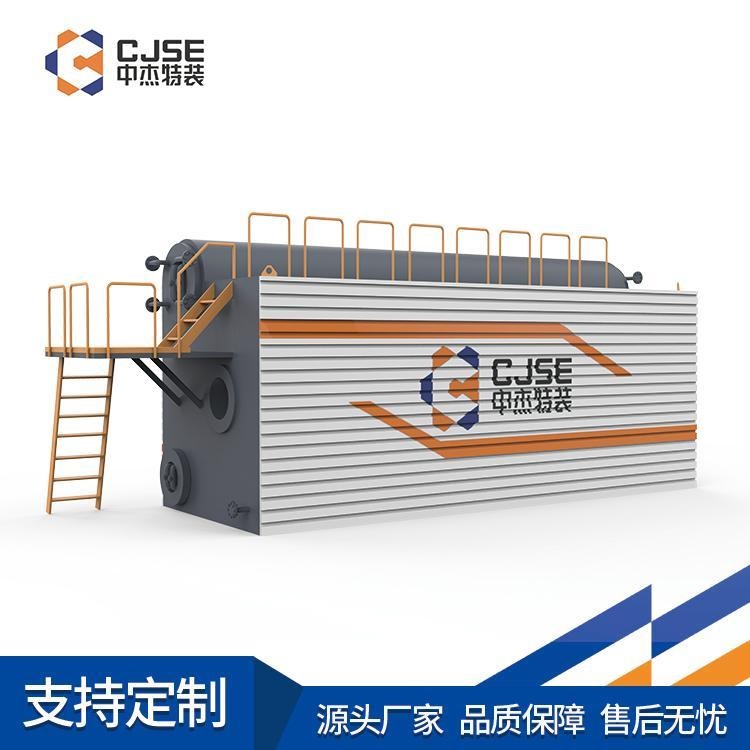
Shandong Zhongjie Special Equipment specializes in: fuel (gas) boilers, organic heat carrier boilers, biomass boilers, waste heat recovery boilers, and other boiler products; vacuum insulated deep cooling pressure vessels such as LNG tanks, oxygen/nitrogen/argon tanks, CO2 tanks; pressure vessel products including denitrification engineering equipment, heat storage and energy storage equipment, complete chemical equipment; central air conditioning and ventilation equipment such as ground (water) source heat pumps, air source units, water-cooled screw units, and air-cooled modular units. Planned products include large-scale energy centers, LNG transport vehicles, LNG tank containers, and other green energy equipment.
Switching from a conventional boiler to a gas boiler can significantly enhance energy efficiency and conservation. Here are some insights into the energy-saving efficiency of gas boilers:
- High combustion efficiency: Gas boilers use gas as fuel and typically have higher combustion efficiency. Compared to traditional coal or oil-fired boilers, gas boilers can achieve a higher level of combustion efficiency, reducing energy waste.
- Low emissions: Gas boilers produce less exhaust emissions during combustion, causing less environmental pollution. The combustion technology and emission control devices used in gas boilers can effectively reduce the emissions of harmful substances like nitrogen oxides.
- Fast start and stop: Gas boilers can start and stop quickly, allowing for flexible adjustments based on actual needs. Compared to coal-fired boilers, gas boilers have shorter start and stop times, avoiding prolonged preheating and cooling processes, and reducing energy waste.
- High thermal efficiency: Gas boilers generally have higher thermal efficiency, achieving a higher level of heat energy conversion. The heat exchange technology and energy-saving design of gas boilers maximize the use of the heat energy from gas, improving heating performance.
- Smart control and management: Gas boilers are often equipped with smart control systems that can automatically adjust operating conditions based on actual needs. Through precise control and regulation, gas boilers can achieve stable heating and avoid unnecessary energy waste.
- It is important to note that switching to a gas boiler requires considering the reliability and safety of the gas supply, as well as the suitability and installation requirements of the boiler. It is recommended to consult with engineers or relevant agencies before making the conversion to ensure
Possible reasons for uneven heat distribution in steam boilers may include the following aspects:
- Uneven combustion: During the combustion process, uneven mixing of fuel and air, or an improperly designed and adjusted burner, can lead to uneven combustion. This results in some areas producing more heat while others produce less.
- Pipe blockage: The presence of blockages or scale in the steam boiler's transmission pipes can cause uneven heat transfer. Blockages or scale impede steam flow, limiting heat transfer in certain areas while allowing better heat transfer in others.
- Heat exchanger issues: If the heat exchanger in the steam boiler has scaling, corrosion, or blockages, it can lead to uneven heat transfer. These issues can affect the heat conduction efficiency of the heat exchanger, impacting heat transfer in some areas.
- Water level problems: Inaccurate or unstable water level control in the steam boiler can lead to uneven steam generation. Both high and low water levels can affect steam production and distribution, resulting in uneven heat.
- Boiler load changes: Changes in the boiler load can also cause uneven heat distribution. Sudden increases or decreases in load may prevent the boiler from adjusting heat production and distribution in time, leading to uneven heat.
To address the issue of uneven heat distribution in steam boilers, regular inspection and maintenance of the boiler equipment are necessary to ensure the normal operation of combustion and heat exchange processes. Additionally, adjusting burners and control systems, maintaining stable water levels, cleaning pipes and heat exchangers, and improving...
When a gas steam boiler experiences overpressure, the following immediate measures must be taken:
1. Shut off gas supply: First, immediately close the gas supply to cut off the fuel source and stop the combustion process to prevent further increase in steam pressure.
2. Release pressure: Open the boiler's pressure relief device, typically a safety valve. The safety valve is a critical safety feature of the boiler that automatically opens when the internal pressure exceeds the set value, releasing overpressure steam to lower the boiler pressure.
3. Reduce burner load: If the overpressure is due to excessive burner load, reduce the burner load to decrease steam production and thereby lower the boiler pressure. Adjust the gas supply to the burner or the burner's control method to match the current load requirements.
4. Inspection and maintenance: After an overpressure event, the boiler should be inspected and maintained to identify the cause of the overpressure and make repairs. Possible causes include burner failure, control system failure, valve malfunction, etc. If necessary, call in a boiler maintenance technician for inspection and maintenance.
It is important to note that overpressure is a dangerous condition in boiler operation and must be addressed promptly. When dealing with overpressure, operators should remain calm, follow safety operating procedures, and ensure their own safety. If unsure how to handle an overpressure situation, immediately contact a boiler maintenance technician or relevant technical support personnel for assistance.
The management system for gas heat transfer oil furnace equipment incidents primarily includes the following aspects:
1. Equipment Safety Management System: Establish and improve the safety management system for gas heat transfer oil furnace equipment, clarify responsibilities and authorities, and ensure safe operation of the equipment. This includes safety operation procedures, emergency response plans for accidents, equipment inspection and maintenance schedules, etc.
2. Equipment Maintenance Management System: Establish an equipment maintenance management system, clarifying maintenance responsibilities and plans. This includes regular equipment inspections, maintenance, and repairs to ensure normal and safe operation of the equipment.
3. Equipment Operation Management System: Establish an equipment operation management system, clarifying operation procedures and requirements. This includes startup, shutdown, adjustment, and monitoring procedures to ensure equipment safety and operation.
4. Equipment Accident Management System: Establish an equipment accident management system, clarifying reporting, investigation, and handling procedures for accidents. This includes reporting requirements for equipment accidents, responsibility追究, cause analysis, and improvement measures to reduce accidents and minimize losses.
5. Equipment Training and Assessment System: Establish a training and assessment system for equipment operators to ensure they possess the necessary skills and knowledge. This includes equipment operation training, safety training, and technical training, with regular assessments and evaluations of operators.
6. Equipment Record and Management System: Establish a record and management system for equipment, recording equipment operation status, maintenance records, accident records, etc. This includes equipment record management, completion and preservation of maintenance records, and compilation and analysis of accident records for equipment management and issue tracing.
The above are some basic contents of the management system for gas heat transfer oil furnace equipment incidents. Specific management systems should be formulated and improved according to actual conditions. At the same time, relevant laws, regulations, and standards must be adhered to to ensure equipment safety and environmental performance.
Shandong Zhongjie Special Equipment, welcome customers to visit our factory for business talks.
Guangxi 2-ton gas boiler, customizable as required.
