


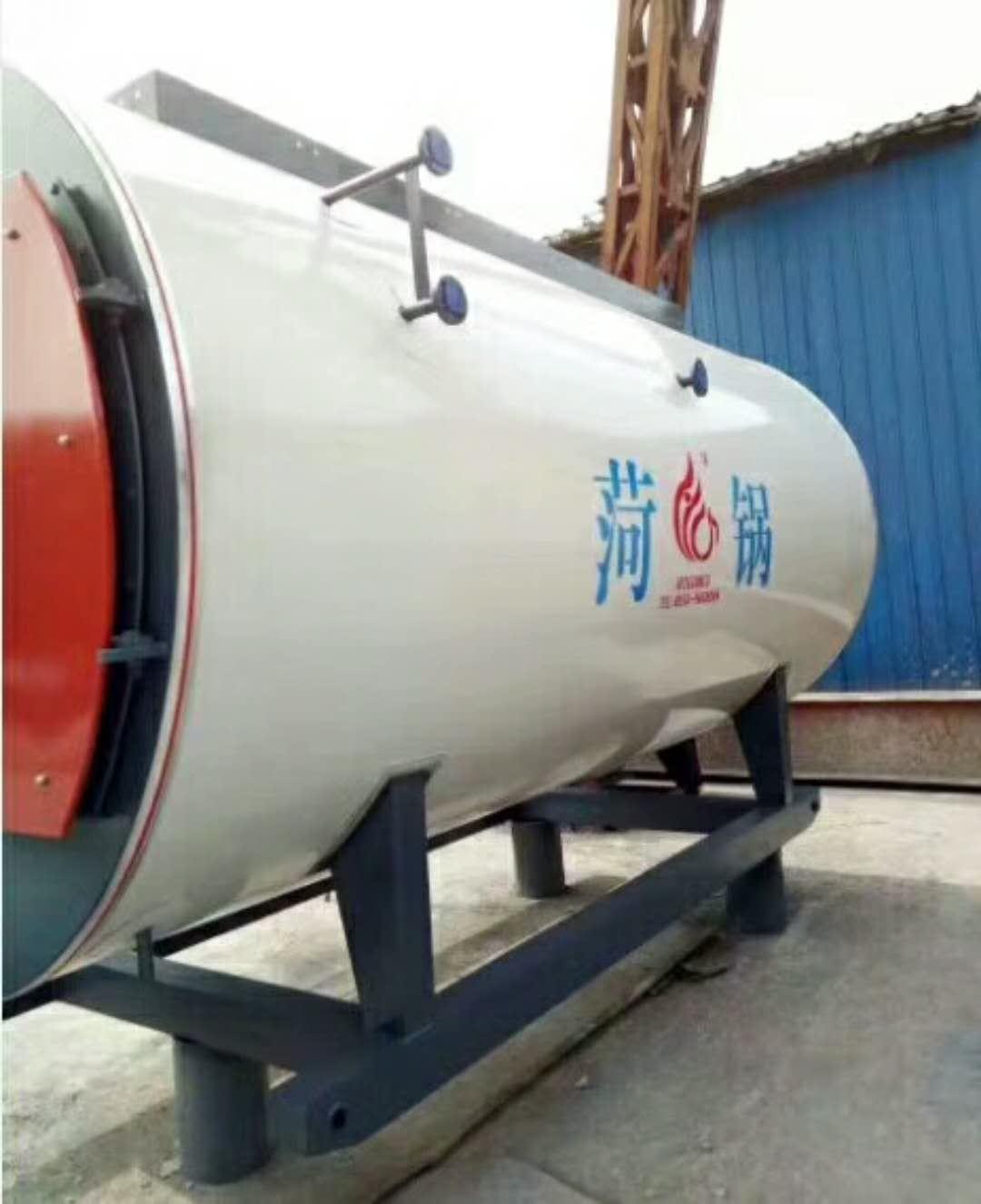
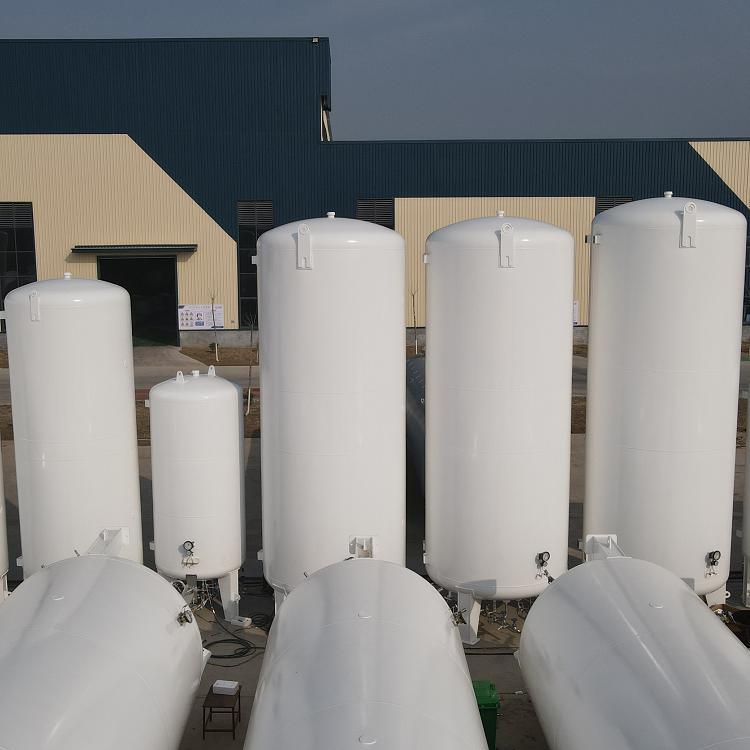

Shandong Zhongjie Special Equipment (formerly Heze Boiler Factory Co., Ltd.) holds an A-grade boiler manufacturing license, an A2-grade pressure vessel manufacturing license, an A2-grade pressure vessel design license, a B-grade boiler installation license, and GB2/Class GC2 pressure pipeline installation licenses, as well as an electromechanical equipment installation contracting qualification. It is a member of the China Boiler and Water Treatment Association, the China Chemical Equipment Association, and the council unit of the Shandong Equipment Manufacturing Association, and has passed certifications for the ISO9001 Quality Management System, ISO14001 Environmental Management System, OHSAS18001 Occupational Health and Safety Management System, and the American ASME/U2 certification.
Consider the following aspects to differentiate the quality of liquid nitrogen tanks:
Material: Liquid nitrogen tanks are commonly made of high-strength, corrosion-resistant materials such as stainless steel or aluminum alloy. These materials offer excellent corrosion resistance and mechanical strength, ensuring the long-term stable operation of the tank.
Sealability: The liquid nitrogen storage tank should have excellent sealing performance to effectively prevent any leakage of liquid nitrogen. The valves, pipe connections, and other parts of the tank should be designed reasonably to ensure reliable sealing.
Insulation: Liquid nitrogen tanks should have excellent insulation properties to minimize evaporation loss. The insulation layer of the tank should use materials like polyethylene foam to reduce heat conduction and evaporation loss.
Safety: Liquid nitrogen tanks should possess excellent safety performance, including the installation of safety valves, pressure gauges, and other safety equipment, as well as fire-resistant and explosion-proof features. The design and manufacturing of the tank should comply with relevant safety standards and regulations.
Service Life: Liquid nitrogen tanks typically have a long service life, capable of withstanding prolonged use and transportation. The manufacturer and reputation are also significant factors in assessing the service life.
Price and After-Sales Service: The price of liquid nitrogen tanks should be reasonable, and good after-sales service should be provided. Choosing manufacturers or suppliers with a good reputation and excellent after-sales service ensures the quality of the product and technical support.
Considering these factors, one can differentiate between the strengths and weaknesses of liquid nitrogen tanks. When selecting a liquid nitrogen tank, it is recommended to choose one that meets the actual requirements and usage environment to ensure safe and reliable storage of liquid nitrogen.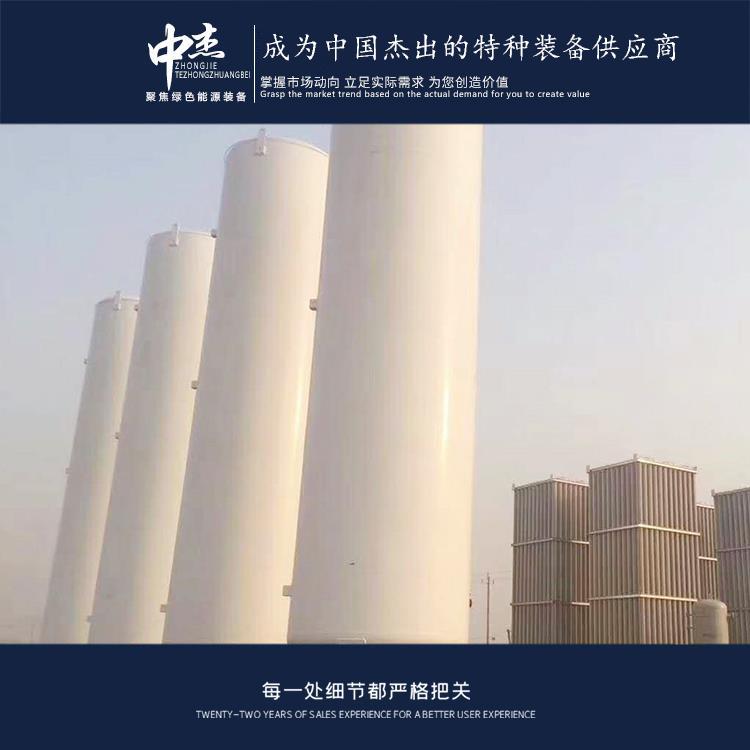
The use of low-temperature liquid storage tanks requires attention to the following matters:
Safe Operation: Operators must undergo training to understand the tank's operational procedures and safety precautions. Adhere to the correct operational steps to ensure safe operation.
Protective Gear: Operators must wear appropriate protective gear, such as thermal suits, gloves, etc., to safeguard against harm from low-temperature liquids.
Leak Protection: Regularly inspect the tanks and associated pipelines for sealing integrity to prevent leakage of low-temperature liquids. Keep the area around the tank clean to avoid debris obstructing leak detection and handling.
Fire Protection: Low-temperature liquids are highly flammable and fire prevention measures must be taken. Keep the area around storage tanks free of ignition sources, prohibit smoking and open flames. Equip with appropriate fire extinguishing equipment to mitigate fire risks.
Pressure Control: Regularly inspect and maintain the pressure control system of the storage tank to ensure the pressure inside is within a safe range. Safety valves and pressure sensors, among other equipment, should operate normally, and abnormal pressure situations should be detected and addressed promptly.
Insulation Protection: Low-temperature liquid storage tanks should be equipped with an effective insulation layer to reduce heat transfer and evaporation of the liquid. The selection and installation of the insulation layer should comply with relevant standards and requirements.
Regular inspections and maintenance: Conduct regular checks of the tank's exterior and interior conditions, including inspecting for leaks, corrosion, wear, or other damage. Pay special attention to the tank's interfaces, valves, and pipelines, ensuring they are functioning properly.
Emergency Preparedness: Develop an emergency response plan, including measures for leaks, fires, and other unforeseen incidents. Operators should be familiar with the emergency response plan and be equipped with appropriate emergency equipment and firefighting supplies.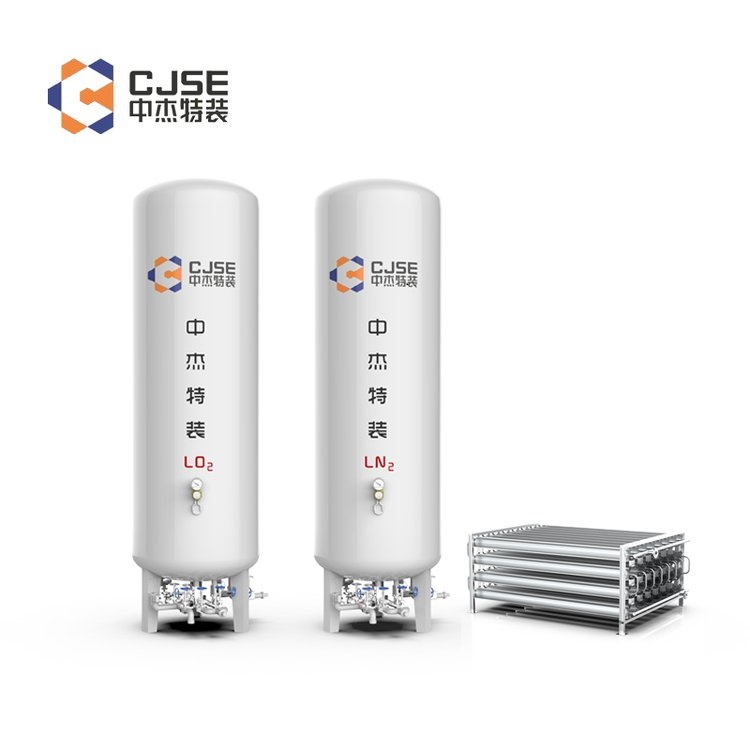
The oxygen filling process for liquid oxygen tanks must adhere to specific operational procedures and safety measures. Below are the steps for filling a liquid oxygen tank:
Preparation: Ensure the tank and oxygen-filling equipment are in good working condition, check the tank's sealing and the proper functioning of the safety valve.
Connect equipment: Link the oxygenation equipment to the storage tank, ensuring the connection is sealed reliably.
Prepare liquid oxygen: Transfer the liquid oxygen from the storage container to the storage tank of the oxygen-filling equipment. During the transfer, be cautious to prevent any leakage of liquid oxygen or contact with it.
Oxygen Filling Operation: Open the valve of the oxygen filling equipment and fill liquid oxygen from the storage tank into the tank. During the filling process, control the filling speed and pressure to avoid excessive pressure and temperature increase in the tank.
Monitoring and Control: During the aeration process, the tank's pressure and temperature must be monitored to ensure they remain within safe limits. In the event of any abnormalities, the aeration should be halted immediately and appropriate actions taken.
Oxygen Filling Completed: Close the valve of the oxygen filling equipment and cease the oxygen filling operation once the storage tank reaches the required oxygen content or pressure.
Safety Handling: After oxygenation is completed, safety handling is required, including closing relevant valves and emptying the remaining liquid oxygen from the oxygenation equipment.
Note that liquid oxygen is highly oxidizing and flammable; the oxygen-filling process must strictly adhere to relevant safety operational procedures and standards. Operators should receive training and strictly follow the operational procedures and safety measures to ensure the safety and reliability of the oxygen-filling process.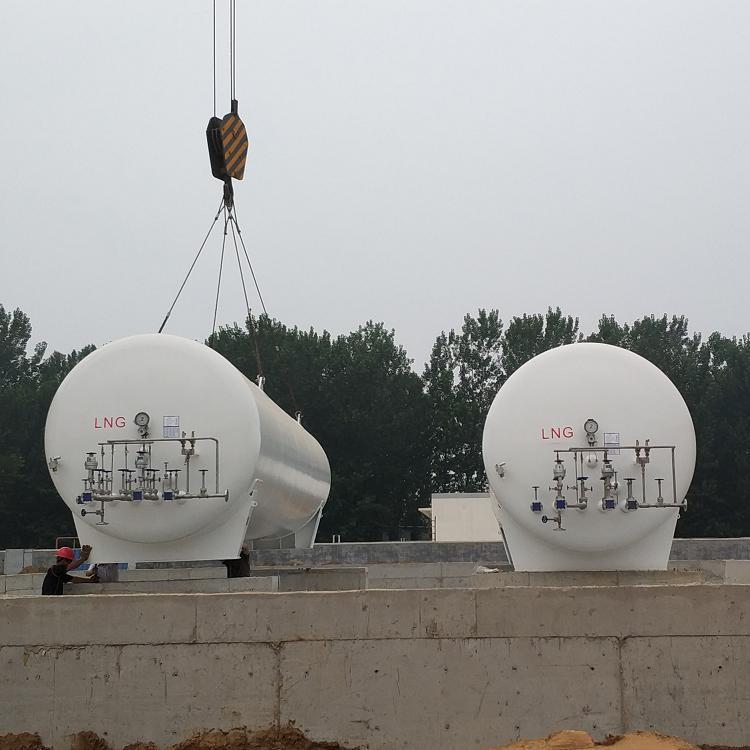
The medical oxygen steel cylinder refilling area, in addition to the liquid oxygen storage tank, includes the following sections:
Oxygen Compressor: Oxygen compressors are used to compress gaseous oxygen into high-pressure oxygen. These compressors are typically made with special materials and designs to ensure safe handling and compression of oxygen.
Oxygen Purification System: The oxygen purification system is designed to remove impurities and contaminants from oxygen, ensuring the purity and quality of the supplied oxygen. The system typically includes filters, adsorbents, and molecular sieves.
Oxygen Storage System: In addition to liquid oxygen tanks, the oxygen filling area may also include a gaseous oxygen storage system for temporary storage and supply of gaseous oxygen. The gaseous oxygen storage system typically includes high-pressure oxygen cylinders or gas storage tanks.
Filling Equipment: Filling equipment is used to transfer oxygen from liquid oxygen storage tanks or gaseous oxygen storage systems into medical oxygen steel cylinders. The filling equipment typically includes filling machines, filling pipelines, and filling control systems.
Oxygen Quality Monitoring System: The oxygen quality monitoring system is used to monitor the quality and purity of oxygen being filled. Quality checks and monitoring are performed on the filled oxygen through an oxygen analyzer or other detection equipment.
Safety Facilities: The filling area should be equipped with corresponding safety facilities, such as fire alarm systems, oxygen leak detection systems, ventilation systems, etc., to ensure the safety and protective measures during the filling process.
It is important to note that the design and equipment configuration of a medical oxygen cylinder filling facility should comply with relevant regulations, standards, and specifications. During the filling process, strict adherence to operational procedures and safety requirements is essential to ensure the safe supply of oxygen.
Shandong Zhongjie Special Equipment, welcome customers to our factory for business discussions.
Xiangtan 5 cubic meter nitrogen storage tank - Reliable
