


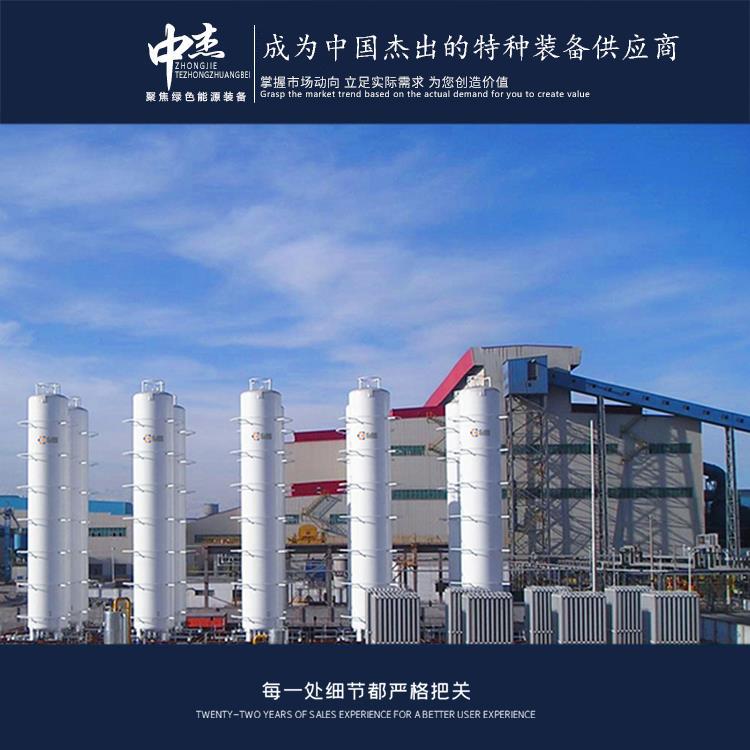
Shandong Zhongjie Special Equipment (formerly Heze Boiler Factory Co., Ltd.) holds an A-grade boiler manufacturing license, an A2-grade pressure vessel manufacturing license, an A2-grade pressure vessel design license, a B-grade boiler installation license, and GB2/Class, GC2/Class pressure pipeline installation licenses, as well as an electromechanical equipment installation contracting qualification. It is a member of the China Boiler and Water Treatment Association, the China Chemical Equipment Association, and the council member of the Shandong Equipment Manufacturing Association. The company has also passed certifications for the ISO9001 Quality Management System, ISO14001 Environmental Management System, OHSAS18001 Occupational Health and Safety Management System, and the American ASME/U2 certification.
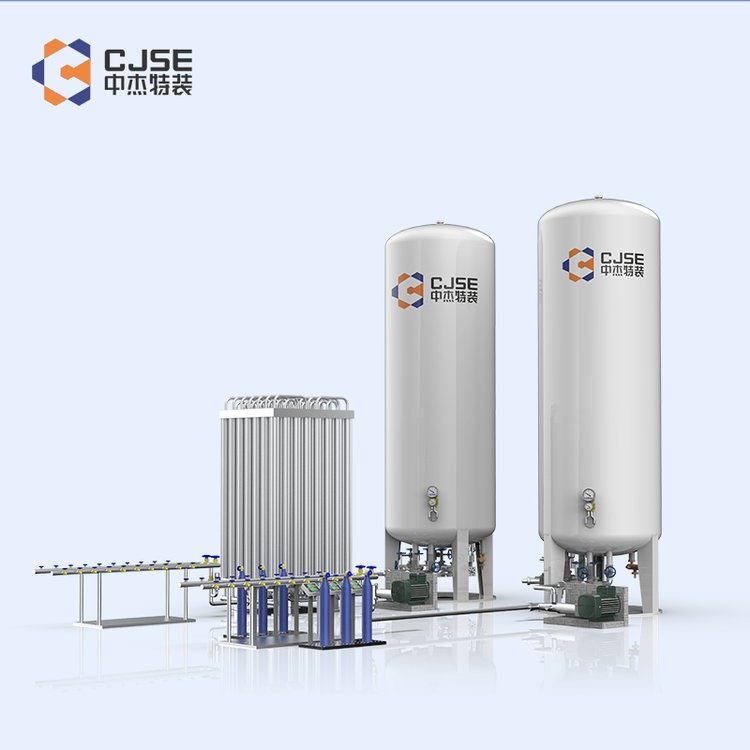
Liquid Argon Storage Tanks are specialized equipment designed for storing liquid argon, featuring the following parameters, functions, and characteristics:
Parameters:
Tank Capacity: The capacity of liquid argon tanks can be customized to meet requirements, typically available in various sizes such as 500L, 1000L, 2000L, and so on.
Operating Pressure: The operating pressure of liquid argon tanks is typically at atmospheric pressure or slightly above atmospheric pressure.
Storage Temperature: The storage temperature for liquid argon tanks is typically -196 degrees Celsius, which is the boiling point of argon, maintaining its liquid state.
Function:
Store Liquid Argon: Liquid argon tanks are primarily used for storing liquid argon, maintaining its liquid state at low temperatures for supply and use.
Insulation: The liquid argon storage tank utilizes advanced insulation materials and structural design to minimize heat conduction and retain the low-temperature state of liquid argon.
Safety Controls: The liquid argon storage tank is equipped with safety devices, such as pressure relief valves and level alarms, to ensure safe operation and use.
Features:
High Purity Supply: Liquid argon tanks provide high purity liquid argon supply to meet the requirements of applications such as cryogenic storage, gas shielded welding, and semiconductor manufacturing.
Long-term Storage: Liquid argon tanks are designed for long-term storage of liquid argon, extending its service life. By controlling the tank's internal temperature and the performance of the insulating layer, the evaporation and oxidation of liquid argon are slowed down.
Versatile Applications: Liquid Argon Storage Tanks are widely used in industries such as refrigeration, semiconductor manufacturing, and more.
Environmental Protection and Energy Saving: Liquid argon storage tanks enable efficient storage and utilization of liquid argon, reducing energy waste and environmental pollution.
In summary, liquid argon storage tanks are designed for storing liquid argon, thermal insulation, and safety.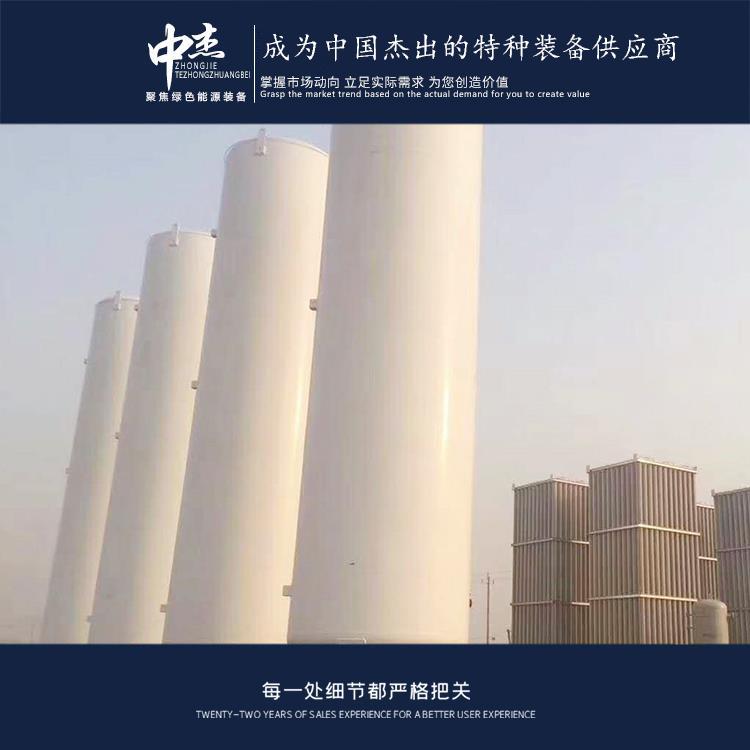
The materials used in the construction of liquid oxygen tanks typically need to have excellent low-temperature resistance and corrosion resistance. Common materials for making liquid oxygen tanks include:
Stainless Steel: A commonly used material for making liquid oxygen tanks, stainless steel boasts excellent corrosion resistance and mechanical strength. Common stainless steel grades include 304 and 316.
Aluminum Alloy: Aluminum alloys are also commonly used in the manufacturing of liquid oxygen tanks, offering low density and excellent corrosion resistance. Common aluminum alloy materials include 5083 and 6061 aluminum alloys.
Fiberglass Reinforced Plastic (FRP): FRP is a composite material made up of glass fibers and resin. It boasts excellent corrosion resistance and mechanical strength, making it suitable for liquid oxygen storage tanks in some special environments.
碳钢(Carbon Steel):碳钢是一种常见的储罐制作材料,具有较高的强度和耐腐蚀性。然而,碳钢在液氧环境下容易发生氧化反应,因此需要采取防腐措施。
It's important to note that the choice of materials for liquid oxygen storage tanks should be determined based on specific application requirements, working conditions, and safety standards. When selecting materials, consider the properties of liquid oxygen and the design requirements of the tank to ensure safety and reliability. Additionally, manufacturers and suppliers often provide material selection advice and technical support.
Liquid oxygen storage tanks may deform during use. The following are common deformation defects found in liquid oxygen storage tanks:
Elastic Deformation: Liquid oxygen tanks may undergo elastic deformation when subjected to external pressure or temperature changes. This deformation is typically reversible, meaning the tank will return to its original shape once the external pressure is removed or the temperature returns to normal.
Plastic Deformation: When a liquid oxygen tank is subjected to significant external force or pressure, it may experience plastic deformation. This deformation is irreversible, and the tank cannot return to its original shape. Plastic deformation can cause changes in the tank's shape, such as dents or warping.
Hot Deformation: Liquid oxygen storage tanks may experience hot deformation when subjected to high temperatures or temperature changes. Hot deformation can cause the tank to change shape, expand, or contract.
Cold Deformation: Liquid oxygen tanks may experience cold deformation when subjected to low temperatures or temperature changes. Cold deformation can cause the tank to change shape, contract, or crack.
These deformation defects may affect the structural integrity and safety of liquid oxygen storage tanks. Therefore, it is important to regularly inspect and assess the deformation of liquid oxygen storage tanks to ensure their normal operation and safe use. If deformation defects are found in the tanks, prompt repair or replacement measures should be taken to avoid further damage and safety risks.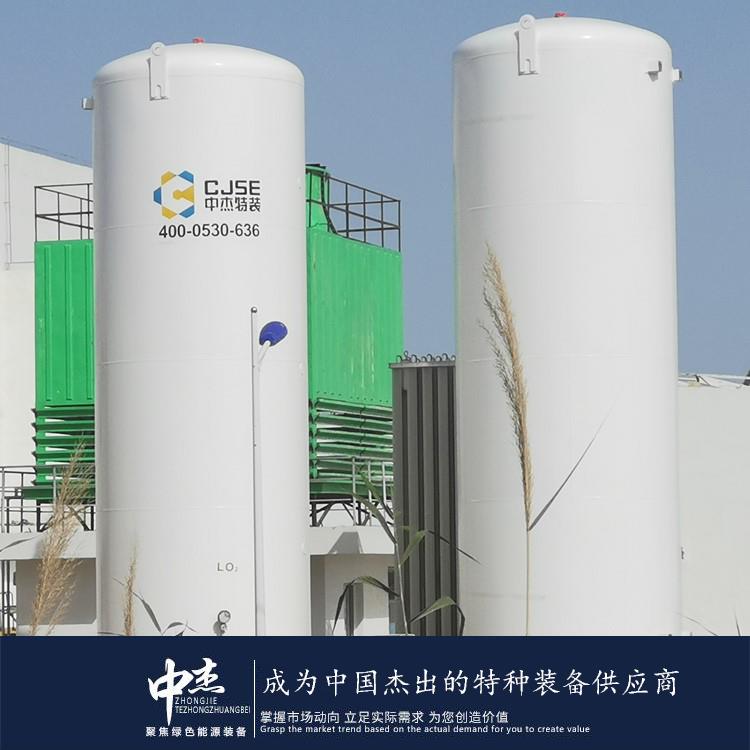
The use of liquid oxygen storage tanks requires special attention to the following safety matters:
Training: Personnel handling liquid oxygen tanks must undergo training to understand the properties of liquid oxygen, safety operating procedures, and emergency response measures. Only trained personnel are authorized to operate liquid oxygen tanks.
Safety Operating Procedures: Establish and adhere to the safety operating procedures for liquid oxygen storage tanks, including proper operational procedures, protective measures, and emergency response plans. Ensure that operators follow the procedures to minimize accident risks.
Protection Measures: When using liquid oxygen tanks, necessary protective measures must be taken, such as wearing protective gloves and suits. Avoid direct contact with liquid oxygen to prevent frostbite.
Leak Control: Regularly inspect the liquid oxygen storage tank for leaks and equip with leak detectors and alarm systems. In case of a leak, immediate measures should be taken to control the leak and conduct repairs.
Fire Prevention Measures: Liquid oxygen contains a high oxygen concentration, making it prone to fire. To prevent and contain fires, fire barriers and fire-retardant coatings should be installed around liquid oxygen storage tanks.
Static protection: Electrostatic buildup in liquid oxygen tanks may cause sparks, increasing the risk of fire. Measures such as using static-conductive materials and anti-static equipment are taken to reduce the accumulation and release of static electricity.
Ventilation Requirements: Ensure adequate ventilation within the enclosed space of the liquid oxygen storage tank to expel vapors produced by the evaporation of liquid oxygen.
ZJ Special Equipment adheres to the great vision of "realizing employees' dreams, creating customer value, and striving for the prosperity and strength of our motherland," and is dedicated to the development of the green energy equipment industry. We commit to society with high-value products and services!
Fuyang Liquid Nitrogen Storage Tank, Years of Industry Experience
