


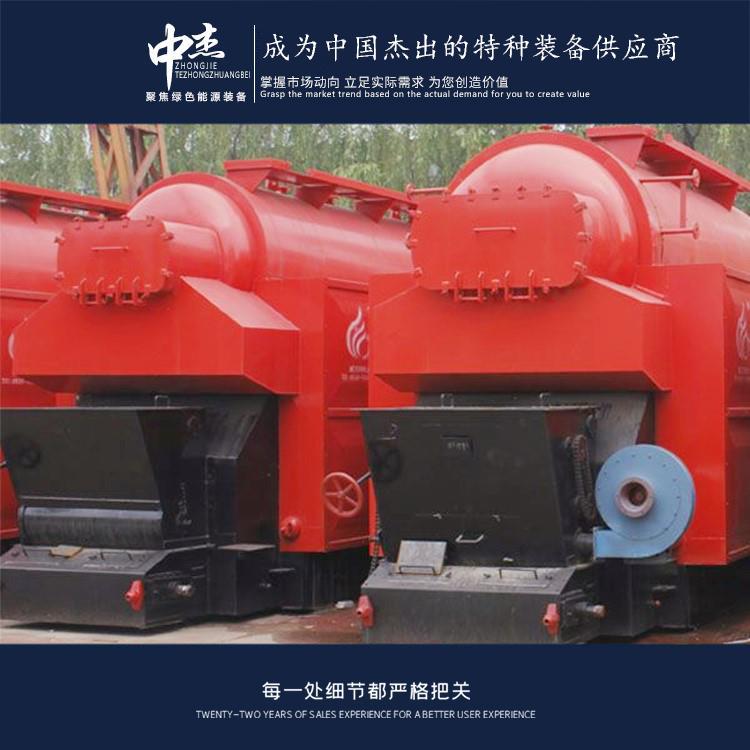
Shandong Zhongjie Special Equipment (formerly Heze Boiler Factory Co., Ltd.) was established in 2001, located at No. 2218 Jinnan Road, Economic and Technological Development Zone, Heze City. With a registered capital of 50 million yuan and total assets of 500 million yuan, the company operates seven business centers: boilers, deep-freezing containers, pressure vessels, central air conditioning, engineering installation, international trade, and Internet of Things. It has three factory areas on Jinnan Road, East Yangtze Road, and Bohai Road, covering a total of 200,000 square meters. The main workshop spans 83,000 square meters. Currently, there are 710 employees, including 247 engineers and technicians and 82 middle-level technical personnel. In December 2016, it was recognized as a "High-tech Enterprise" by the Science and Technology Department. In June 2021, it was identified as a "Specialized, Focused, New and Unique Enterprise of Shandong Province" by the Ministry of Industry and Information Technology. In June 2022, it was recognized as a "Gazelle Enterprise of Shandong Province" and in August 2022, it was identified as a "Specialized, Focused, New and Unique Small Giant Enterprise" by the Ministry of Industry and Information Technology.
High evaporation rate in biomass pellet boiler fuel may lead to the following issues:
Incomplete combustion: High-volatile fuel releases a large amount of steam during combustion, which lowers the combustion temperature and affects the completeness of combustion. Incomplete combustion leads to energy loss and increased emissions, reducing the boiler's thermal efficiency and environmental performance.
Poor combustion stability: Fuel with high volatility is prone to unstable combustion processes, which may cause flameout and uneven combustion. This can lead to unstable boiler operation and affect the stability of hot water supply.
To address issues caused by high-evaporation fuel, the following measures can be taken:
Combustion System Optimization: Optimize the combustion system of biomass pellet boilers, including aspects such as combustion chamber design, combustion air supply, and mixing. By increasing combustion temperature and enhancing oxygen supply, promote the completeness and stability of combustion.
Combustion Control: Utilizes a combustion control system that monitors and adjusts parameters such as temperature and oxygen content in real-time during the combustion process. Adjusts the supply of combustion air based on actual conditions to maintain stability and completeness of combustion.
Fuel Pretreatment: Pre-treat biomass pellets with high volatile matter content, such as drying and crushing. By reducing the moisture content and particle size of the fuel, the volatile matter content is decreased, enhancing the combustion efficiency and stability.
Burn Parameters Adjustment: Adjust the boiler's burn parameters, such as burn temperature and duration, based on actual conditions. Through reasonable parameter adjustments, make the burn process more adaptable to the characteristics of high evaporation fuel.
In summary, by optimizing the combustion system, adjusting control mechanisms, pre-treating the fuel, and modifying combustion parameters, issues related to high fuel evaporation in biomass pellet boiler fuel can be reduced, thereby enhancing the boiler's
Biomass boilers are prone to corrosion at high temperatures, primarily due to the following factors:
Fuel Composition: Biomass fuel contains certain ash and elements like chlorine, which, during combustion, form corrosive substances at high temperatures such as chlorides and salts. These substances react with the metal surface, leading to corrosion.
Combustion Conditions: Factors such as combustion temperature, oxygen content, and combustion rate during biomass combustion can affect corrosion. High temperatures, excessive oxygen, and rapid combustion rates can accelerate corrosion.
Smoke Composition: The smoke produced from biomass combustion contains certain acidic substances, such as... These acidic substances will react with the metal surface, causing corrosion.
Flue Gas Condensation: During the flue gas condensation process of biomass boilers, water vapor in the flue gas condenses into liquid water, forming acidic condensate. This acidic condensate comes into contact with the metal surface, causing corrosion.
Metal Material Selection: The corrosion resistance of the metal materials used in biomass boilers also affects their performance. Different metal materials exhibit varying corrosion resistance to different corrosive mediums.
In summary, the primary causes of high-temperature corrosion in biomass boilers include fuel composition, combustion conditions, flue gas composition, flue gas condensation, and the selection of metal materials. To alleviate corrosion issues,
Several factors influence the thermal efficiency of biomass boilers; here are some common factors analyzed:
Fuel Quality: The quality of biomass fuel directly affects the combustion process and thermal efficiency. Characteristics such as fuel moisture, ash content, and volatile content can impact the stability and efficiency of combustion. An appropriate amount of fuel can enhance combustion efficiency and reduce energy loss.
Combustion System: The design and operational status of the combustion system significantly impact thermal efficiency. A well-designed combustion system ensures complete combustion and utilization of fuel. Adjustments to parameters such as combustion air volume, combustion temperature, and combustion time can optimize the combustion process and enhance thermal efficiency.
Excess Air: Excess air can lead to incomplete fuel combustion and energy waste. Properly controlling the air supply during the combustion process and preventing excess air from entering the furnace can improve combustion efficiency.
Temperature Control: The temperature control of boilers significantly impacts thermal efficiency. Properly regulating parameters such as water temperature and steam temperature can avoid excessively high or low temperatures, thereby enhancing thermal efficiency.
Cleaning and Maintenance: Regularly clean and maintain boiler equipment, including the ash and soot inside the furnace, to maintain the efficiency of heat exchange and reduce thermal resistance and loss.
Flue Gas Heat Recovery: By utilizing heat recovery systems such as economic air preheaters, economizers, etc., the excess heat in flue gas can be recovered and utilized, thereby improving the boiler's thermal efficiency.
Boiler design and equipment selection: Rational boiler design and selection of equipment, such as burners, high
When biomass boilers exhibit abnormal operation, the following measures can be taken:
Inspect fuel supply: Check the biomass supply system to ensure normal fuel supply. Examine fuel storage containers, conveyance systems, and feeding devices to eliminate issues of insufficient fuel supply or blockages.
Inspect the combustion system: Check the combustion system, including the ignition device, burner, and combustion chamber. Ensure the burner operates normally and the combustion within the combustion chamber is stable. Clean the burner and combustion chamber to remove carbon deposits and debris.
Inspect smoke emissions: Examine the smoke emission system, including chimneys and smoke purification equipment. Ensure smooth smoke emissions and proper operation of the smoke purification equipment. Clean chimneys and smoke purification equipment, remove blockages and accumulated dust.
Inspect the water circulation system: Check the water circulation system, including the pump, tank, pipes, and valves. Ensure normal water circulation, stable water pressure, and water level. Clean the pump and pipes, and eliminate blockages and leaks.
Inspect Control Systems: Verify the control systems, including temperature, pressure, and flow control. Ensure correct parameter settings and that sensors and actuators are functioning properly. Adjust control parameters to ensure stable boiler operation.
Inspect Safety Devices: Check the safety devices, including pressure gauges, temperature gauges, safety valves, and alarms. Ensure that the safety equipment is sensitive and reliable, and promptly triggers alarms and protective measures.
Seek assistance: If the above solutions do not resolve the issue, it is essential to promptly seek help from boiler maintenance and repair professionals. They can conduct more in-depth troubleshooting and repairs to ensure the normal operation of the biomass boiler.
When dealing with abnormal operation of biomass boilers, safety is paramount. Always follow relevant operational procedures and safety protocols. Identify and address issues promptly.
Shandong Zhongjie Special Equipment, welcome customers to visit our factory for business discussions.
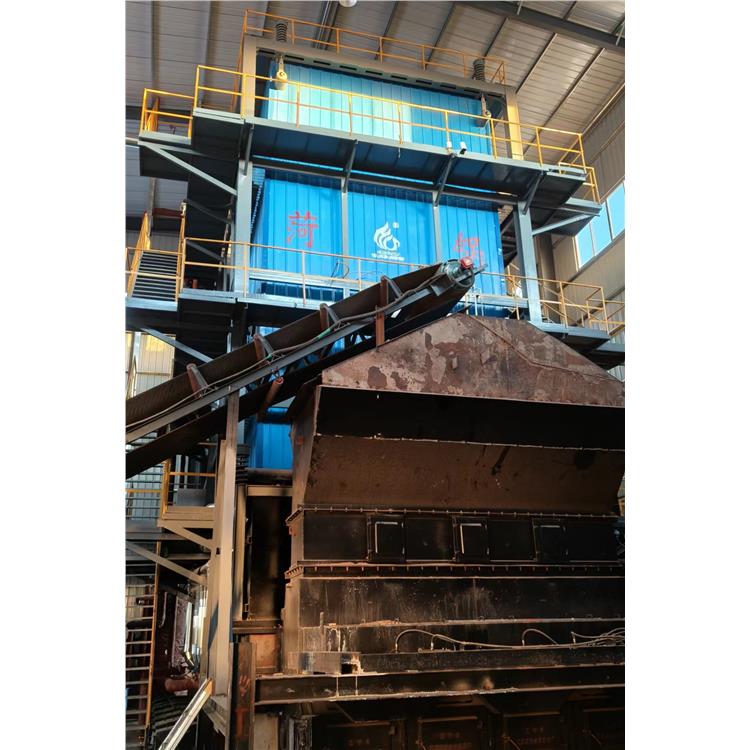
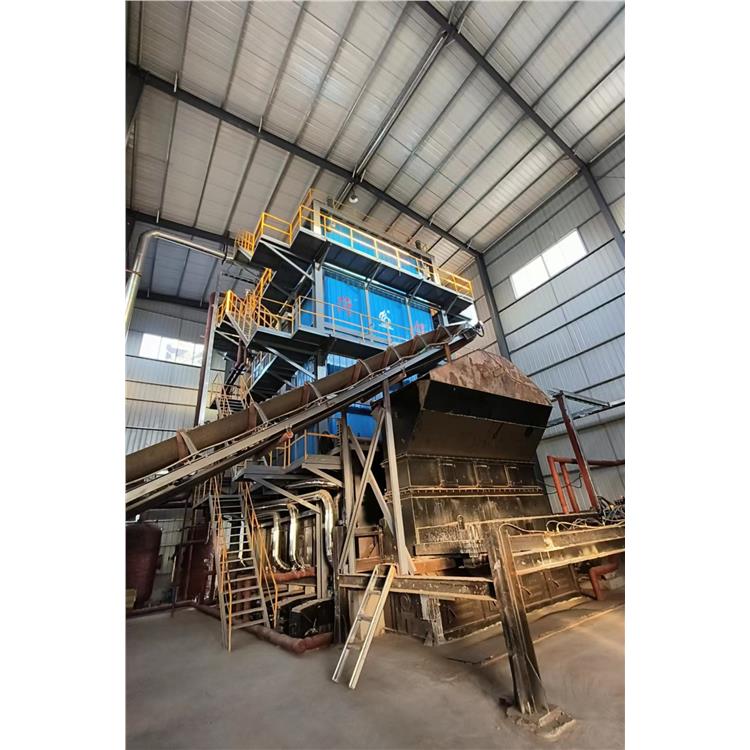
Baishan 30-ton biomass boiler, factory direct supply
