


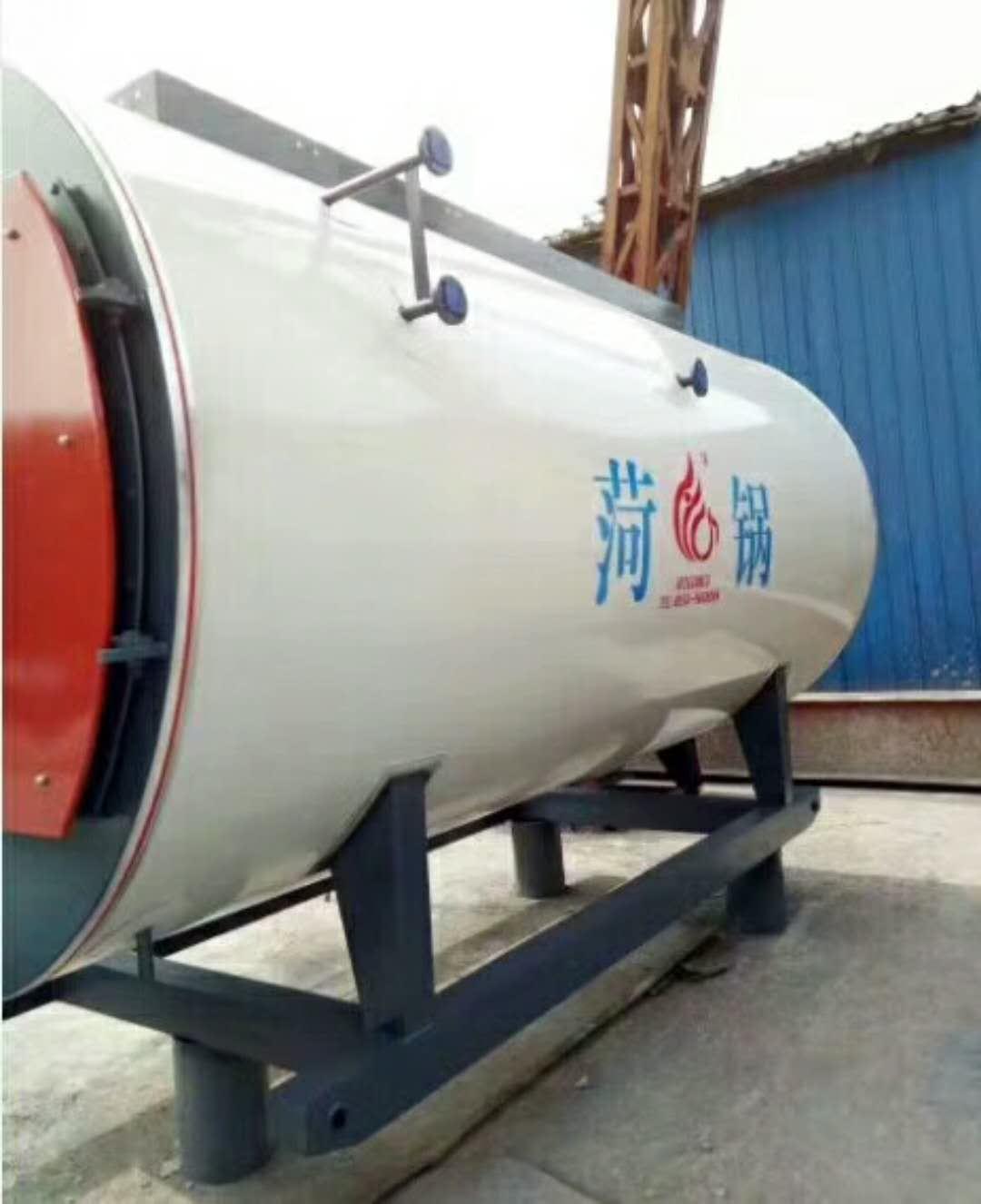

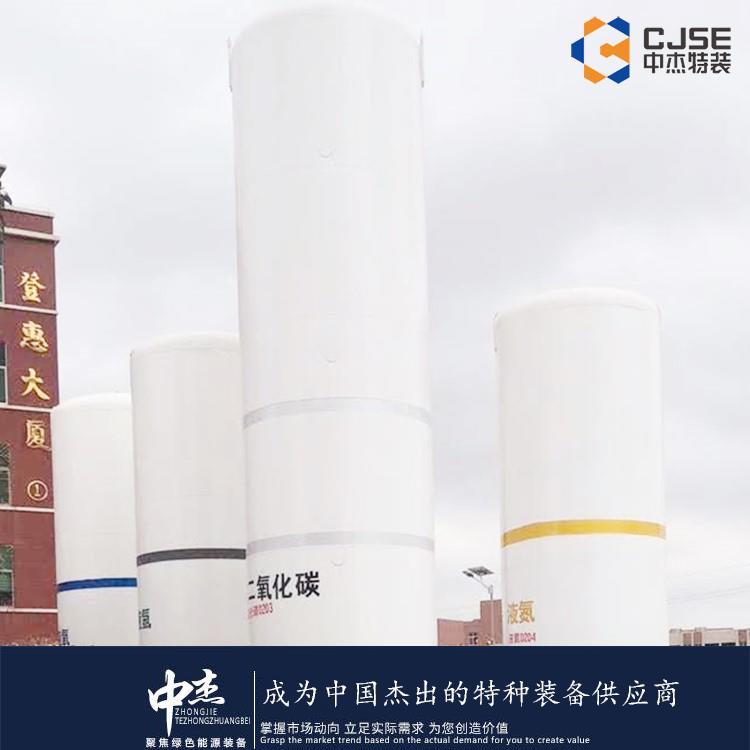
Shandong Zhongjie Special Equipment Co., Ltd. (formerly Heze Boiler Factory Co., Ltd.) was established in 2001 and is located at No. 2218 Jinnan Road, Development Zone, Heze City. With a registered capital of 50 million yuan and total assets of 500 million yuan, the company has seven business centers: boilers, deep-freezing containers, pressure vessels, central air conditioning, engineering installation, international trade, and the Internet of Things. It has three factory sites on Jinnan Road, East Changjiang Road, and Bohai Road, covering a total area of 200,000 square meters, with the main workshop spanning 83,000 square meters. The company currently employs 710 staff, including 247 engineers and technicians and 82 intermediate-level technicians. In December 2016, it was recognized as a "High-Tech Enterprise" by the Science and Technology Department. In June 2021, it was identified as a "Specialized and New Enterprise of Shandong Province" by the Ministry of Industry and Information Technology. In June 2022, it was recognized as a "Gazelle Enterprise of Shandong Province" and in August 2022, it was identified as a "Specialized and New Small Giant Enterprise" by the Ministry of Industry and Information Technology.
When selecting a liquid oxygen cylinder with a medical oxygen concentrator, several factors should be considered:
Requirement: First, determine the oxygen demand of the institution or individual. Select the appropriate oxygen concentrator model and specification based on the required oxygen flow rate and pressure.
Safety and Reliability: Ensure the selected oxygen concentrator has high safety and reliability. Choose products that comply with relevant standards and regulations, featuring safety functions such as overpressure protection, leakage protection, and overload protection.
Operational ease: Select an oxygen concentrator with simple and user-friendly operation. Consider the methods of adjusting oxygen flow and concentration, as well as the clarity and readability of the operational interface.
Quality and Reputation: Choose an oxygen concentrator with excellent quality and reliability. Refer to customer reviews, word-of-mouth, and institutional recommendations when selecting a product.
Maintenance and After-Sales Service: Familiarize yourself with the maintenance requirements and after-sales support for the oxygenator. Ensure timely access to repairs and technical assistance to ensure the smooth operation and maintenance of the oxygenator.
Cost-effectiveness: Considering the price, performance, and features of the oxygenator, choose a product with a favorable cost-performance ratio. Select an oxygenator that suits your actual needs and budget.
Be mindful to adhere to the relevant equipment procurement regulations and standards when selecting a liquid oxygen cylinder with a medical oxygen concentrator. It's advisable to consult with equipment suppliers or relevant institutions to ensure the chosen concentrator meets your needs and safety requirements.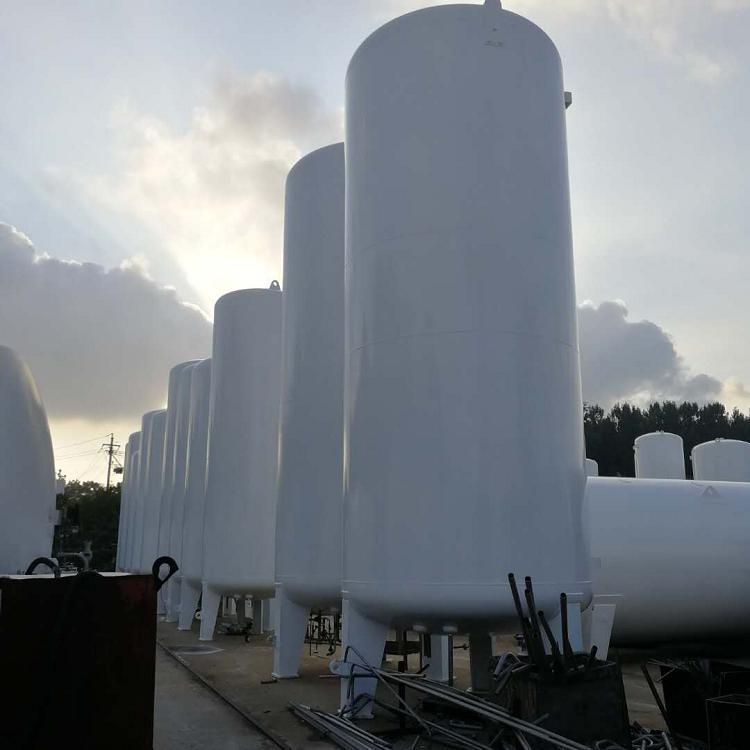
The use of liquid oxygen storage tanks requires special attention to the following safety matters:
Training: Operators of liquid oxygen tanks must undergo training to understand the properties of liquid oxygen, safety operating procedures, and emergency response measures. Only trained personnel are authorized to operate liquid oxygen tanks.
Safety Operating Procedures: Establish and adhere to safe operating procedures for liquid oxygen storage tanks, including proper operational processes, protective measures, and emergency response plans. Ensure operators follow the procedures to minimize accident risks.
Protective Measures: When using liquid oxygen tanks, necessary protective measures must be taken, such as wearing protective gloves and suits. Avoid direct contact with liquid oxygen to prevent frostbite.
Leak Control: Regularly inspect the liquid oxygen storage tank for leaks, equip with leak detectors and alarm systems. In case of a leak, take immediate measures to control the leak and proceed with repairs.
Fire Prevention Measures: Liquid oxygen contains a high oxygen content, which is prone to cause fires. Measures such as setting up fire walls around liquid oxygen storage tanks and using fire-retardant coatings are taken to prevent fires from occurring and spreading.
Static protection: Electrostatic buildup in liquid oxygen tanks may cause sparks, increasing the risk of fire. Measures such as using static-conductive materials and anti-static equipment are taken to reduce the accumulation and release of static electricity.
Ventilation Requirements: Ensure adequate ventilation within the enclosed space of the liquid oxygen storage tank to expel vaporization of liquid oxygen.
To extend the service life of liquid argon storage tanks, the following measures can be taken:
Regular inspections and maintenance: Conduct regular visual inspections of the liquid argon storage tank, check valves and fittings, and perform leak detection and pressure tests, etc. Promptly identify and repair potential issues to ensure the normal operation of the tank.
Maintain the insulation layer: The insulation is crucial for the thermal retention of liquid argon tanks. Regularly inspect the integrity and insulating properties of the insulation, repair or replace any damaged insulation material to ensure the tank's thermal insulation effectiveness.
Control Liquid Argon Temperature: The temperature of liquid argon should be maintained within an appropriate range to prevent damage to the storage tank from excessive or insufficient temperatures. Implement suitable cooling or heating measures to ensure stable temperature of the liquid argon.
Corrosion Protection: The outer shell and internal structure of the liquid argon tank should be protected against corrosion and oxidation. Regularly inspect and maintain the protective coating to ensure it remains intact.
Avoid excessive pressure and overfilling: Prevent the internal pressure of the tank from being too high or too low, as well as overfilling with liquid argon. Excessive pressure and overfilling can lead to structural rupture or damage to the tank.
Regular cleaning and waste removal: Regularly clean the interior of the tank to remove accumulated impurities and dirt. Conduct regular waste removal to prevent contaminants and sediments in liquid argon from damaging the tank.
Safety Operations and Training: Ensure operators are knowledgeable and skilled in the safe handling of liquid argon tanks. Enhance safety training to boost operators' awareness and emergency response capabilities.
Manage records and documents: Establish comprehensive management records and documentation, including the usage of tanks, inspection logs, and maintenance records. Conduct regular reviews and updates of the management records to ensure safe management and maintenance of the tanks.
These measures can help extend the service life of liquid argon storage tanks, but specific operations and management should be tailored to the type and application of the tank. When performing maintenance and operation, please adhere to relevant regulations and standards, and consult with experts to ensure safety and effectiveness.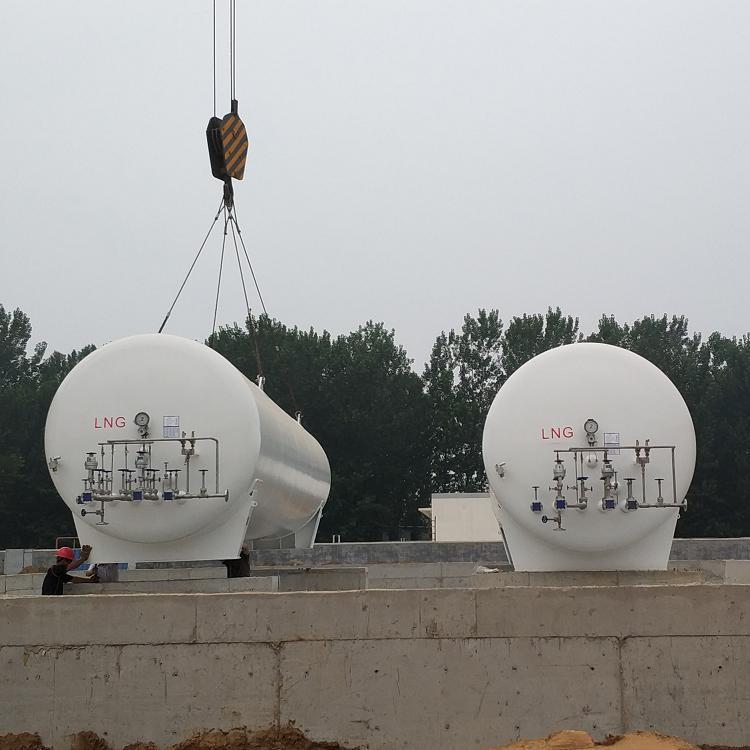
The dimensions and structure of liquid oxygen storage tanks can vary based on specific requirements and applications. Below are common sizes and structures of liquid oxygen storage tanks:
Dimensions: The size of liquid oxygen tanks is typically determined by the capacity of liquid oxygen they store or transport. Common capacities range from a few thousand liters to several hundred thousand liters.
Structure: The structure of the liquid oxygen storage tank mainly includes the inner tank, outer shell, insulation layer, and supporting structure, etc.
Inner Shell: The inner shell of a liquid oxygen tank is the part used to store liquid oxygen, commonly made of stainless steel or aluminum alloy, and boasts excellent corrosion resistance and sealing properties.
Shell: The shell of a liquid oxygen storage tank is the outer structure that protects the inner lining, commonly made of carbon steel or stainless steel, offering sufficient strength and corrosion resistance.
Insulation Layer: The insulation layer of the liquid oxygen storage tank is used to reduce heat conduction and loss, maintaining the low temperature state of liquid oxygen. Common insulation materials include polyethylene foam, glass fiber, and aerogel, etc.
Support Structure: The support structure of the liquid oxygen tank is used to support and secure the inner and outer shells of the tank. The support structure is typically made of steel, offering sufficient strength and stability.
The dimensions and structural design of liquid oxygen tanks must consider the properties of liquid oxygen, storage or transportation requirements, and safety standards. When using liquid oxygen tanks, strict adherence to operational specifications and safety requirements is necessary to ensure safe usage.
Chongjie Special Equipment upholds the grand vision of "realizing employees' dreams, creating value for customers, and striving for the prosperity and strength of our motherland," and is dedicated to the development of the green energy equipment industry. We offer the society products and services with high performance and cost-effectiveness!
Pingdingshan Liquid Oxygen Storage Tank, Manufacturer
